


 Contact Us


 Other Insurance
Medical Insurance for Pre-Existing Conditions

Date: Apr 6, 2026 - Last Modified Apr 9, 2026


Many people seek medical insurance for pre-existing conditions to ensure financial protection against treatment costs related to chronic or previously diagnosed illnesses. The good news is that many insurance companies in India are increasingly offering health insurance for existing conditions with specific waiting periods and policy conditions.
A pre-existing disease typically refers to any illness, injury, or medical condition diagnosed (within a specified timeframe) before purchasing a health insurance policy. Common examples include diabetes, hypertension, asthma, thyroid disorders, and heart-related conditions. Insurers evaluate these conditions carefully while issuing policies, to ensure that coverage remains sustainable while protecting policyholders from high medical expenses.
What is a Pre-Existing Disease Cover in a Health Insurance Plan?
A pre-existing disease cover refers to a policy feature that allows coverage for illnesses diagnosed before purchasing a policy. In India, health insurance for pre-existing conditions comes with specific terms that determine when treatment expenses for such illnesses become eligible for reimbursement.
In most cases, these plans include a waiting period before the policy begins covering treatment costs. During this period, policyholders continue paying premiums while coverage for the pre-existing illness remains restricted.
The waiting period generally ranges between two and four years, depending on the insurer and policy type. As per IRDAI (Insurance Regulatory and Development Authority of India) guidelines, the waiting period for pre-existing disease should not be more than 48 months.
Once the waiting period is completed, the policyholder can claim benefits under the health cover for pre-existing conditions.
Which Illnesses are Considered Pre-Existing Diseases in Health Insurance?
The following table looks at the categories of illnesses often covered after the waiting period in medical insurance for pre-existing conditions:
Category | Examples |
Lifestyle Diseases | Diabetes, hypertension |
Respiratory Disorders | Asthma and chronic respiratory illnesses |
Cardiac Conditions | Heart disease or coronary artery issues |
Other Chronic Illnesses | Arthritis or kidney disorders |
Apart from the above, many other conditions may be considered as PEDs, depending on the health history of the insured person. The policyholder should provide clear information about the insured’s health history and specify in case of any pre-existing conditions.
Some plans (especially corporate group plans) may come with a PED waiver, which removes the waiting period and allows the policyholder to get pre-existing coverage from day one. You can reach out to your insurer to get clarity regarding the same.
How Do Pre-Existing Diseases Affect Health Insurance Policies?
A pre-existing disease can influence the terms of a health insurance policy. Insurers evaluate medical history before issuing coverage and may adjust policy conditions accordingly.
Several factors determine how health insurance for pre-existing conditions is structured:
Factor | Impact on Policy |
Waiting Period | Coverage begins after a specified time period |
Premium Cost | Premiums may increase based on health risk |
Medical Evaluation | Insurers may require health check-ups |
Policy Exclusions | Certain treatments may have limitations |
Insurers often implement waiting periods to balance risk management while offering medical insurance for pre-existing conditions.
Once the waiting period ends, the policyholder can access benefits under their health plan on a reimbursement or cashless treatment basis.
What to Know When Buying Health Insurance for Pre-Existing Diseases
If you are seeking health insurance for existing conditions, here are some important considerations to keep in mind before proceeding:
- Waiting Period: Review the duration before claims related to a pre-existing disease become eligible.
- Coverage Limits: Understand whether treatment expenses are fully covered or subject to sub-limits.
- Premium Costs: Policies offering coverage for PEDs may involve higher premiums depending on health risks.
- Network Hospitals: Check whether the insurer provides access to a wide network for cashless treatment.
Disclosure Requirements: Provide accurate medical history to ensure valid claims under the health cover for pre-existing conditions.
Conclusion
Managing medical expenses for chronic illnesses can be financially challenging. Policies offering health insurance for existing conditions can help individuals secure financial protection while receiving necessary treatment for long-term health issues.
Understanding policy terms, waiting periods, and coverage limits allows individuals to make informed decisions when choosing health insurance that meets their needs. SBI General Insurance provides a variety of health insurance plans that offer comprehensive coverage, reasonable waiting periods for PEDs, solid customer support, and more. To pick a plan that suits your coverage needs, browse through our list of health insurance plans today!
Frequently Asked Questions
1: What is considered a pre-existing disease in health insurance?
A pre-existing disease refers to any illness, injury, or medical condition diagnosed (within a specified timeframe) before purchasing a health insurance policy.
2: Can individuals buy health insurance if they already have a medical condition?
Yes. Many insurers offer health insurance for existing conditions, although coverage for the condition usually begins after a waiting period.
3: What is the waiting period for pre-existing diseases?
Waiting periods vary by insurer but typically range from two to four years for pre-existing conditions.
4: Does health insurance cover chronic diseases?
Yes. Many policies provide coverage for pre-existing conditions, which allows treatment coverage for chronic illnesses after the waiting period ends.
5: Why is disclosure important when buying health insurance?
Providing accurate medical information ensures that claims related to pre-existing conditions remain valid and processed without complications.
This blog is intended solely for educational and informational purposes. Content reflects data at time of publication and may not accurately reflect current premiums, terms, or regulations. Readers are encouraged to confirm the accuracy and relevance of the data before making any significant decisions. SBI General Insurance disclaims responsibility for any errors or consequences arising from the use of outdated information provided herein. For more details, please refer to the policy wordings and prospectus before concluding the sales. *Add-ons are subject to payment of additional premium.
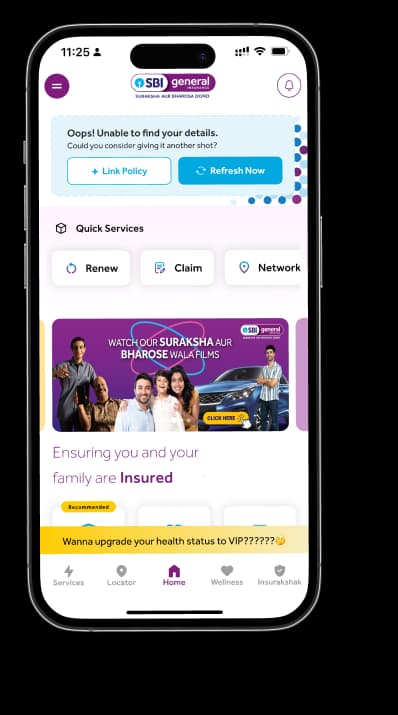
Access and manage all your Insurance Needs in one place, right at your Fingertips.



4/5*
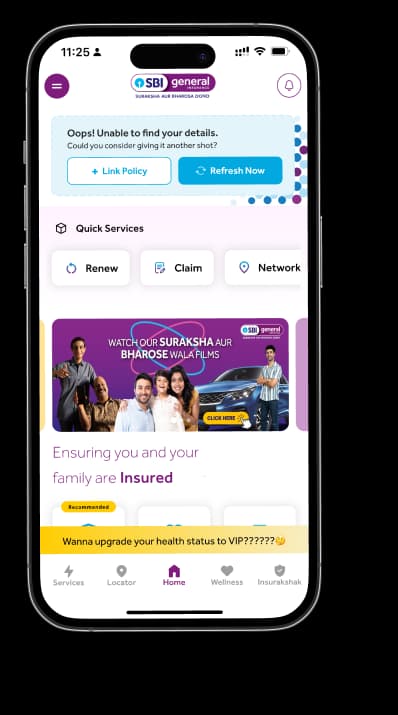
Access and manage all your Insurance Needs in one place, right at your Fingertips.


Vision
Our vision is to become the most trusted general insurer for a transforming India.
Mission
Our mission is to provide simple and innovative general insurance solutions, be responsive to our customers' needs and build a sustainable business for the future.
We're socially active!