


 Contact Us


 Other Insurance
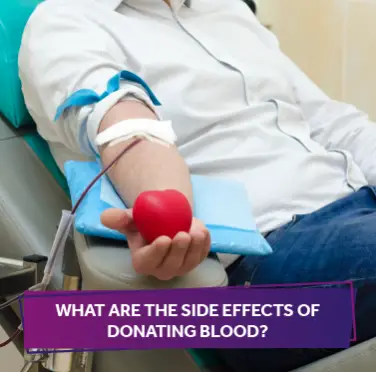
Uncover the Side Effects of Donating Blood
Date: Dec 20, 2023 - Last Modified Mar 24, 2026


Blood donation is a noble cause, and a donor’s blood can be used to save multiple lives. Apart from saving lives, you get a mini physical examination to assess your overall health at your appointment for blood donation, which includes checking your temperature, pulse, haemoglobin levels, and blood pressure. The use of sterile needles ensures that you don’t get any infections, but some people may experience certain side effects from blood donation.
Being aware of certain disadvantages of donating blood is essential. The most common adverse effects of donating blood are temporary and include minor bruising or dizziness, but in some cases these effects may become severe. Some extremely rare serious complications associated with blood donation include local phlebitis and thrombophlebitis. Here, you can learn about the different side effects of donating blood and how to deal with them.
Five Common Disadvantages of Donating Blood
Although most people don’t experience any blood donation side effects, some may get adverse reactions on rare occasions. Listed below are some of the side effects that may occur during or after donating blood.
1. Excessive bleeding at the puncture site
Minor bleeding can occur after donating blood if your body is unable to coagulate the blood properly at the puncture site. This is not unusual if people with a bleeding disorder or those who are on blood thinners donate blood. Thus, you are recommended to mention your history of diseases while donating blood even if the healthcare professional does not ask.
2. Nausea, light-headedness, or dizziness
One of the common side effects of donating blood include feelings of nausea, dizziness, or light-headedness. This occurs due to the temporary drop in blood pressure and is more common if you donate high quantity of blood. It becomes a cause of concern if the donor continues to experience such side effects after they have eaten, drunk, and rested for a while.
3. Bruises
Some people may experience minor bruising after the blood draw. One may get a significant dark purple bruise if the healthcare professional mistakenly punches the wrong part of the hand and misses the nerve, but this is highly uncommon.
4. Pain, numbness, or tingling sensation
Some people who have low levels of pain tolerance or have an underlying condition that heightens their sensitivity may feel pain, tingling, or tenderness at the puncture sight.
5. Raised bump
Some people may observe slight swelling at the puncture site after donating blood. This is not usually a concern as the swelling subsides within a few hours. In case that the swelling doesn’t subside after a day or two or it increases, you are recommended to consult a doctor.
You also risk passing an infection to someone sick while donating blood. Since it can take some time for a person to develop an infection after coming in contact with a virus or other microbe, it is crucial that you inform the concerned authorities if you fall sick after donating blood. This is because the immunity system of the person who will receive your blood is likely compromised, and an infection may be fatal for them.
How to Manage Side Effects of Donating Blood?
Here are some tips on how to manage the side effects of donating blood:
1. People who bleed easily are recommended to keep the bandage on the puncture site after blood donation for about 4 hours or more. In case you start bleeding again from this site, you can apply slight pressure on it, reapply the bandage for another 4 hours or so, or consult a doctor. You can also try rising your arm straight up for a few minutes or till the bleeding stops.
2. Although swelling is not common after donating blood, some people may experience it at the puncture site. Applying slight pressure with the help of something like a compression bandage may help with the pain. Using a cold compress 3 to 4 times a day for 20 minutes or so is also recommended for the first 2 days. The cold compress should be followed with a warm compress 3 to 4 times a day for about 20 minutes from the third day.
3. Light to moderate pain is usually manageable with a compress, but you should consult a doctor if you experience severe pain or if the pain doesn’t go away after 4 to 5 days.
4. Bruising after donating blood doesn’t hurt usually and subsides within a week or so. Things like applying heat to the bruised area, elevating it, massaging a moisturiser with vitamin C, etc. can be helpful.
5. People who experience nausea, light-headedness, or dizziness are recommended to lie down with their feet up until they feel better. They can also try putting their head between their knees while sitting to calm themselves. In this case, people are suggested to avoid performing any activity that may cause them to faint and lead to an injury for a minimum of 24 hours.
Resting for some time if you don’t feel okay enough is recommended to prevent you from falling and giving your body proper time to feel better if you experience any side effects after donating blood. Consider visiting a doctor to discuss your side effects and evaluate their actual cause if the symptoms don’t improve after some time.
Tips for a Successful Blood Donation
Since water is a major component of blood, people who plan on donating blood are recommended to drink plenty of fluids before and after blood donation. This is done to replenish fluid in the body. The American Red Cross society suggests that people who are donating blood should do the following:
- Drink about 500 mL of additional water or other non-alcoholic beverage before the appointment.
- Consume a healthy meal before, during, and after blood donation to avoid/minimise the risk of side effects.
- It is better to have a friend or a loved one with you for moral support.
- Avoid heavy lifting or strenuous exercises for a day or two after donating blood.
- Consume iron-rich foods such as spinach, meat, eggs, broccoli, and raisins.
- Regular blood donors are also recommended to take multivitamins with iron to ensure they don’t develop a deficiency.
Some people may experience minor side effects after donating blood. Generally, resting for some time, eating nutritious food, and drinking plenty of water is enough to recover from any side effects; however, if you have an undiagnosed underlying condition, for example, the condition may become severe. Having a health insurance plan can be helpful in such cases. If you don’t have an insurance, you can use the mediclaim premium calculator to help find the right plan for you or your loved ones.
People who have a health insurance plan should get any of their queries answered and clarified from their insurer. One of the most common concerns related to health insurance about the insurance validity. If you’re unsure about how to check health insurance validity, you can contact your insurer or visit the official website of your insurance company.
FAQs
Is it safe to donate blood?
Yes, blood donation is a safe procedure and healthcare professionals ensure proper hygiene practices to prevent people from getting any infections.
What are the eligibility criteria for donating blood?
Generally, any person who meets all the following criteria can donate blood:
- Age should be 18–65 years.
- Weight, temperature, blood pressure, and heart rate should be normal.
- The donor should not have an infection.
- The donor should not have consumed aspirin within two days prior to donation.
- The donor should not be on any blood thinners.
- The donor should not have a bleeding disorder.
Can I donate blood while on my periods?
Yes. Usually, there are no side effects associated with donating blood during your menstrual cycle; however, you’re recommended to inform the healthcare professional at the donation centre or blood bank about your periods if you are unsure.
Is it okay to donate blood after receiving a vaccine?
Your eligibility to donate blood depends on the type of vaccine you receive. Thus, you have to check with the facility you are donating blood at about this concern. Additionally, it is important to know the name of the vaccine manufacturer to determine your eligible for donating blood.
Can I bring someone with me to donate blood?
Yes. If you follow the safety guidelines during the appointment, you should bring a loved one with you. However, you should avoid bringing young children that need constant supervision without another adult.
Disclaimer: The above information is indicative in nature. For more details on the risk factor, terms and conditions, please refer to the Sales Brochure and Policy Wordings carefully before concluding a sale.
This blog is intended solely for educational and informational purposes. Content reflects data at time of publication and may not accurately reflect current premiums, terms, or regulations. Readers are encouraged to confirm the accuracy and relevance of the data before making any significant decisions. SBI General Insurance disclaims responsibility for any errors or consequences arising from the use of outdated information provided herein. For more details, please refer to the policy wordings and prospectus before concluding the sales. *Add-ons are subject to payment of additional premium.
Access and manage all your Insurance Needs in one place, right at your Fingertips.




4/5*
Access and manage all your Insurance Needs in one place, right at your Fingertips.



Vision
Our vision is to become the most trusted general insurer for a transforming India.
Mission
Our mission is to provide simple and innovative general insurance solutions, be responsive to our customers' needs and build a sustainable business for the future.
We're socially active!