


 Contact Us


 Other Insurance
Fig Fruit (Anjeer) Benefits: Nutrition, Health Benefits & Ways to Eat
Date: Jun 15, 2026 - Last Modified Jun 15, 2026


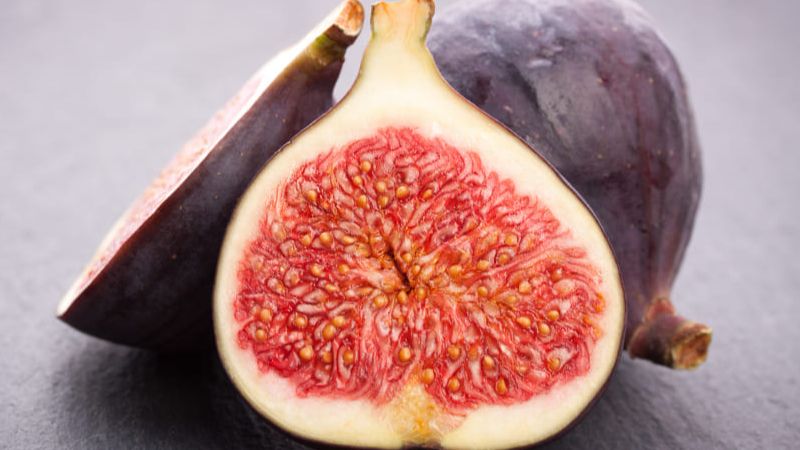
Figs, commonly known as anjeer, are a delicious fruit consumed in traditional diets for centuries. They are valued for their unique taste, versatility, and impressive nutritional profile. These fruits are not just a delightful addition to meals but also a powerhouse of key nutrients, including proteins, calcium, iron, minerals, and fibre. Whether eaten fresh, dried, or in various dishes, figs offer nutrients that support overall well-being.
This article explains the nutritional value and potential health benefits of figs to help individuals include them effectively in a balanced diet.
What is Fig or Anjeer?
Figs (Ficus carica) are nutrient-rich fruits. They are packed with antioxidants that may support overall health. Whether fresh or dried, figs may contribute to digestive health, heart health, bone strength, and balanced nutrition. Including figs in moderation as part of a healthy diet is a simple method to enjoy their natural sweetness and nutritional benefits.
Nutritional Value of Fig Fruit
Figs are known for their rich nutritional composition, making them a practical addition to a healthy diet.
Here's a detailed look at the nutritional value of both dried and fresh figs per 100 grams:
Nutrient | Dried Figs (per 100g) | Fresh Figs (per 100g) |
Energy | 249 kcal | 74 kcal |
Protein | 3.3 g | 0.75 g |
Fibre | 9.8 g | 2.9 g |
Sugar | 47.92 g | 16.26 g |
Calcium | 162 mg | 35 mg |
Magnesium | 68 mg | 17 mg |
Iron | 2.03 mg | 0.37 mg |
Potassium | 680 mg | 232 mg |
Vitamin K | 15.6 mcg | 4.7 mcg |
Vitamin C | 1.2 mg | 2 mg |
Folate | 9 mcg | 6 mcg |
Figs are also a source of important micronutrients, including copper and vitamin B6.
Copper: Copper is an essential mineral involved in various bodily functions, including energy production, metabolism, and the formation of blood cells, connective tissues, and neurotransmitters.
Vitamin B6: Vitamin B6 plays a role in protein metabolism and the synthesis of new proteins. It also contributes to normal brain function and overall nervous system health.
Health Benefits of Fig Fruit (Anjeer) for Overall Wellness
The health benefits of figs are largely attributed to their fibre, antioxidant, vitamin, and mineral content. When included as part of a healthy diet, figs may contribute to several aspects of wellbeing. However, individual results may vary. Overall diet and lifestyle choices also need to be taken into consideration.
Let’s have a look at the different anjeer benefits in detail:
Promotes digestive health
One of the most widely recognised fig fruit benefits is digestive support. They have long been used as an alternative for problems related to digestion and the gut. The dietary fibre present in figs may help promote regular bowel movements and reduce constipation. It may also support a healthy gut microbiome by acting as a prebiotic, providing beneficial bacteria.
May support heart health
Figs contain potassium, a mineral that helps maintain healthy blood pressure levels. Potassium helps with balancing sodium levels in the body and supports normal cardiovascular function.
In addition, the fibre and antioxidant compounds found in figs may contribute to overall heart health when combined with a balanced lifestyle. Overall, figs support a healthy heart by improving blood vessel function and promoting better circulation.
Boosts bone density
Figs contain minerals such as calcium, magnesium, and phosphorus, which are critical to maintain strong bones and teeth. Regular consumption of figs as part of a balanced diet may help prevent bone disorders such as osteoporosis, especially in older adults.
May help reduce the risk of diabetes
Although figs contain natural sugars, they also provide fibre, which may help slow the absorption of sugars into the bloodstream. Dried figs consist of a moderate Glycemic Index (GI) and contain chlorogenic acid, which may help with glucose metabolism in Type 2 diabetes patients. However, individuals with diabetes should consume figs mindfully and consider portion sizes.
May help promote healthy skin
The vitamins, minerals, and antioxidants in figs may support overall skin health by protecting against free-radical damage and promoting a healthy, glowing complexion. That said, the specific benefits of figs for skin health may vary depending on individual skin type and condition. It is recommended to consult with a dermatologist for personalised advice.
Best Ways to Consume Figs
One of the reasons figs are so popular is their versatility. Whether you prefer them fresh or dried, there are plenty of simple and tasty ways to include them in your daily diet.
Fresh Figs
Fresh figs have a naturally sweet taste and a soft texture. This makes them an enjoyable snack on their own. They are relatively low in calories and contain a good amount of water, which adds to their refreshing appeal.
Fresh figs can be:
Eaten as a quick snack between meals
Added to salads for a touch of natural sweetness
Used in homemade jams and preserves
Included in sauces and chutneys
Dried Figs
Dried figs are convenient, easy to store, and available throughout the year. Their chewy texture and naturally sweet flavour make them a satisfying snack option.
Dried figs can be:
Enjoyed on their own as a snack
Chopped and added to bread, muffins, or cookies
Mixed with nuts and seeds for a nutritious trail mix
Used as a natural sweetener in various recipes
Other Delicious Ways to Enjoy Figs
If you want to get creative, figs can be added to many everyday meals.
Blend them into smoothies and shakes for natural sweetness
Mix them into yoghurt or oatmeal
Sprinkle chopped figs over breakfast cereals
Add fresh fig slices to salads with leafy greens, nuts, and seeds.
Enjoy Figs in Moderation
While figs offer several nutrients, it is important to enjoy them in moderation, especially dried figs. Since the water content is removed during the drying process, the natural sugars become more concentrated. Including sensible portions as part of a balanced diet allows individuals to enjoy the benefits of figs while maintaining a dietary balance.
Individuals focusing on long-term wellness should also consider proactive healthcare planning. Along with maintaining healthy dietary habits, preventive care, and timely medical attention, investing in suitable health insurance coverage can help provide financial protection against unexpected medical expenses. A suitable health insurance policy can help one stay financially worry-free when medical emergencies strike.
Conclusion
Figs are a nutrition-packed fruit that can be included in the diet if consumed in moderation. Understanding the health benefits of figs and incorporating them thoughtfully into daily meals can help support overall well-being while maintaining a balanced nutritional intake.
While healthy eating habits play an important role in overall wellness, being prepared for unexpected medical expenses is equally important. Health insurance plans from SBI General Insurance can help provide financial support when healthcare needs arise.
Note: This article is for informational purposes only and is not medical advice. Consult a qualified healthcare professional for diagnosis or treatment decisions.
FAQs
1. What are the benefits of eating figs daily?
Moderate daily consumption of figs may support digestion, provide key nutrients, and contribute to overall well-being.
2. Are figs good for constipation?
Yes, figs are rich in fibre, which may help improve bowel movement and support digestive health.
3. Can diabetics eat figs?
Figs can be consumed in limited quantities, but portion control is important for diabetics due to their natural sugar content.
4. What is the best time to eat figs?
Figs can be consumed in the morning or as a snack, depending on individual dietary preferences.
5. Are dried figs healthier than fresh figs?
Dried figs contain more concentrated nutrients, while fresh figs have lower sugar density. Both can be a part of a balanced diet.
This blog is intended solely for educational and informational purposes. Content reflects data at time of publication and may not accurately reflect current premiums, terms, or regulations. Readers are encouraged to confirm the accuracy and relevance of the data before making any significant decisions. SBI General Insurance disclaims responsibility for any errors or consequences arising from the use of outdated information provided herein. For more details, please refer to the policy wordings and prospectus before concluding the sales. *Add-ons are subject to payment of additional premium.
Access and manage all your Insurance Needs in one place, right at your Fingertips.




4/5*
Access and manage all your Insurance Needs in one place, right at your Fingertips.



Vision
Our vision is to become the most trusted general insurer for a transforming India.
Mission
Our mission is to provide a seamless insurance experience to our customers, with a focus on accessibility, affordability, and accessibility.
We're socially active!