


 Contact Us


 Other Insurance
Guava Nutrition: Benefits, Calories and Health Facts
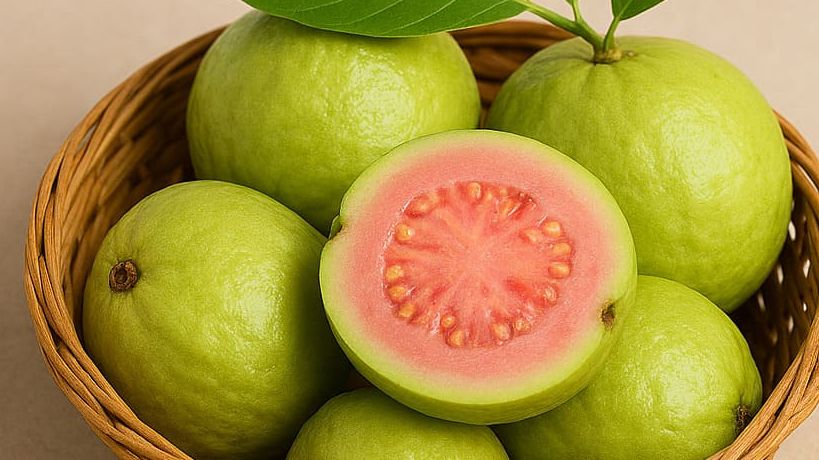
Date: Jun 11, 2026 - Last Modified Jun 11, 2026


Guava is one of the most nutritious fruits available throughout the year. It is known for its sweet taste, pleasant aroma, and impressive nutrient profile. It is packed with vitamin C, fibre, antioxidants, and essential minerals. This makes the fruit a popular choice for people wanting to include more nutrient-dense foods in their diet.
This article takes a closer look at guava nutrition, its calorie profile, and the health benefits associated with this fruit.
Nutritional Profile of Guava
The nutritional value of guava makes it stand out among many fruits. It contains vitamins, minerals, dietary fibre, and plant compounds that can be beneficial for health.
Nutrient | Approximate Amount per 100 g |
Calories | 68 kcal |
Carbohydrates | 14.3 g |
Fibre | 5.4 g |
Protein | 2.6 g |
Fat | 1 g |
Vitamin C | 228 mg |
Potassium | 417 mg |
Folate | 49 mcg |
Note: These guava nutrition facts may differ slightly depending on the variety and ripeness of the fruit.
Top Health Benefits of Guava
The impressive health benefits of guava come from its rich nutrient and antioxidant content.
Rich in Vitamin C
Guava is one of the richest natural sources of vitamin C. In fact, it contains significantly more vitamin C than many citrus fruits.
Vitamin C plays an important role in:
Immune function
Wound healing
Collagen production
Protection against oxidative stress
Regular consumption of vitamin C-rich foods is important for maintaining good health.
Good for Digestion
Guava contains a generous amount of dietary fibre. Fibre supports regular bowel movements and promotes digestive health. Eating fibre-rich fruits such as guava can also improve feelings of fullness after meals.
The seeds of guava are also commonly consumed and add to its fibre content.
Supports Heart Health
Potassium and fibre are two nutrients found in guava that are associated with heart health. Potassium helps maintain normal blood pressure levels, while fibre plays a role in cholesterol management.
Including fruits rich in these nutrients as part of a balanced diet is beneficial for cardiovascular health.
Suitable for Blood Sugar Management
Guava has a relatively low glycaemic index compared to many processed snacks and sugary foods. Its fibre content slows the absorption of sugar in the digestive tract. This helps prevent sudden spikes in blood sugar levels.
However, people with diabetes should still follow medical advice regarding fruit intake and portion sizes.
Weight Loss
Many people include guava in their weight-conscious diets. This is because it is naturally low in calories and rich in fibre.
A 100 g serving contains only about 68 calories. This makes it a satisfying snack option between meals.
The fibre content also promotes satiety and reduces the urge to snack frequently.
Guava Leaves Benefits
The fruit is not the only valuable part of the guava plant. Guava leaves have been used in traditional practices for generations.
Here are some of the commonly discussed guava leaf uses:
Herbal teas
Traditional digestive remedies
Oral hygiene practices
Guava leaf extracts are also being studied for their antioxidant and antimicrobial properties.
However, individuals should consult a healthcare professional before consuming guava leaf preparations regularly.
Other Health Facts About Guava
Guava offers more than just vitamin C and fibre. It also contains:
Vitamin A
Folate
Magnesium
Potassium
Antioxidants such as lycopene and quercetin
These nutrients play various roles in sustaining normal body functions.
Easy Ways to Include Guava in Your Diet
Guava is versatile and easy to include in everyday meals. Here are some easy ways to enjoy it:
Eating it fresh as a snack
Adding it to fruit salads
Blending it into smoothies
Using it in juices
Pairing it with greek yoghurt
The fruit can be enjoyed with or without the peel. The peel itself contains beneficial nutrients and fibre.
Things to Keep in Mind Before Consuming Guava
Guava is generally safe for most people when consumed in moderation.
However:
Wash the fruit thoroughly before eating.
Consume it as part of a balanced diet.
Individuals with specific medical conditions should follow dietary advice from their healthcare provider.
Moderate consumption is important, even when consuming nutrient-rich foods.
Conclusion
The impressive guava nutrition profile makes this fruit a valuable addition to a balanced diet. Rich in vitamin C, fibre, antioxidants, and essential minerals, guava offers a wide range of nutritional benefits.
The many health benefits of guava, combined with its low-calorie content, make it a great choice for people of all ages. Whether enjoyed fresh, blended into a smoothie, or added to a fruit salad, guava is a simple and delicious way to include more nutrients in your daily diet.
While a healthy diet plays a vital role in overall well-being, it is equally important to stay prepared for unexpected health needs. Complementing good nutrition with regular health check-ups and a reliable health insurance plan, such as those offered by SBI General Insurance, can help ensure better long-term health security.
FAQs
1. How many calories are in one guava?
A 100 g serving of guava contains approximately 68 calories. The exact calorie content may vary depending on the size and variety of the fruit.
2. Is guava good for diabetics?
Guava contains fibre and has a relatively low glycaemic index. People with diabetes can include it in their diet in appropriate portions after consulting their healthcare provider.
3. Does guava boost immunity?
Guava is rich in vitamin C, a nutrient that plays an important role in immune function and overall health.
4. Can I eat guava daily?
Yes. Guava can be consumed daily as part of a balanced diet. Moderation and portion control remain important.
5. Is guava good for weight loss?
Guava is low in calories and rich in fibre. This combination makes it a popular fruit choice in many weight-management diets.
This blog is intended solely for educational and informational purposes. Content reflects data at time of publication and may not accurately reflect current premiums, terms, or regulations. Readers are encouraged to confirm the accuracy and relevance of the data before making any significant decisions. SBI General Insurance disclaims responsibility for any errors or consequences arising from the use of outdated information provided herein. For more details, please refer to the policy wordings and prospectus before concluding the sales. *Add-ons are subject to payment of additional premium.
Access and manage all your Insurance Needs in one place, right at your Fingertips.




4/5*
Access and manage all your Insurance Needs in one place, right at your Fingertips.



Vision
Our vision is to become the most trusted general insurer for a transforming India.
Mission
Our mission is to provide simple and innovative general insurance solutions, be responsive to our customers' needs and build a sustainable business for the future.
We're socially active!