


 Contact Us


 Other Insurance
How to Take Flax Seeds
Date: Jun 5, 2026 - Last Modified Jun 5, 2026


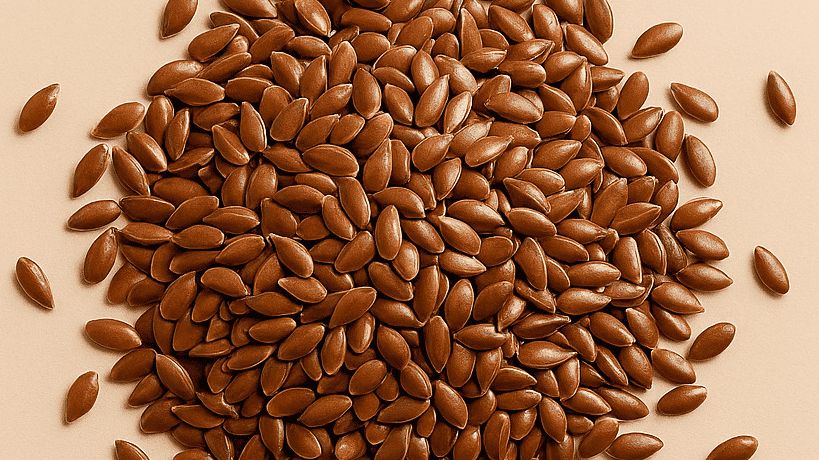
Flax seeds (Linum usitatissimum), usually referred to as common flax or linseeds, are tiny nutrient-dense seeds. Derived from the flax plant, these small seeds are usually brown or yellow in colour. They are a nutritious addition to modern diets due to their nutritional profile and versatility. They can be consumed in different forms, such as whole, ground, or soaked, depending on individual preference. Their essential nutrients can help support digestive health, heart health, and overall well-being.
In this article, we will understand how to take flax seeds, its nutritional benefits, and the various ways of how it can be included in the diet to support a healthy lifestyle.
Different Ways to Consume Flax Seeds
Adding flax seeds to the diet doesn't require major changes to your eating habits. Here are some easy and popular ways to enjoy them:
Ground Flax Seeds
Ground flax seeds are often considered one of the most effective ways to consume flax. This is because grinding helps improve nutrient absorption.
Ground flax-seed can be added to:
Smoothies
Yoghurts
Soups
Salads
Spicy chutneys
Flax Seeds with Water
Many people might prefer soaking flax seeds in water before consumption. The seeds develop a gel-like consistency that may support digestion and offer hydration.
For those wondering ‘How do I take flaxseed?’, mixing one tablespoon of flaxseed in a glass of water overnight and drinking it on an empty stomach might be a simple and convenient option.
Roasted Flax Seeds in Food
Lightly roasted flax seeds may enhance flavour and texture of the food. They can be sprinkled over salads, smoothies, or healthy snacks. They may also be mixed with the dough for rotis or parathas.
Flax Seed Chutney
Flax seeds can be an ideal plant-based source that consists of Omega-3 fatty acids. They can be blended with coconut, garlic, and any other spices. The chutney can work as a healthy breakfast option, serving it with dosa, idli, or chapati.
Flaxseed Oil
Flaxseed oil might be an ideal option, which is highly valued for its dense concentration of alpha-linolenic acid (ALA), a plant-based acid. It may provide cardiovascular support, help soothe inflammatory conditions, and promote healthy skin and digestion. It can be used in salads.
Note: An important point to understand is that flaxseed oil is highly sensitive to heat and light. Therefore, it should be stored in a dark, cool place like a kitchen cabinet. Since its nutrients are heat-sensitive, flax seed oil should not be used for high-heat cooking methods like frying.
Best Time to Take Flax Seeds
There is no fixed rule about when flax seeds should be consumed. They can be incorporated into the diet in a way that suits individual preferences and eating habits, with regular intake being the key factor.
Here are the best occasions to consume flax seeds:
On an Empty Stomach for Healthy Fats
Flax seeds are a good sourceof fat as they consist of Omega-3, which may help improve gut health and stabilise blood sugar. Therefore, it is recommended to take flax seeds on an empty stomach, by mixing them with a glass of water.
Before Meals to Avoid Overeating
Flax seeds are high in fibre, which may help promote feelings of fullness and support mindful eating habits and portion control. That is why, it is recommended to take a tablespoon of flaxseeds before meals.
The ideal timing may vary depending on personal preferences, dietary habits, and nutritional goals. It is suggested that individuals seek proper advice from medical professionals for a better understanding.
Recommended Daily Intake
While flax seeds are highly nutritious, moderation remains important. Extreme consumption may cause digestive discomfort in some individuals.
For most healthy adults, an everyday intake of approximately one to two tablespoons of ground flax seeds is commonly considered sufficient as part of a balanced diet. Individuals may start with small amounts and gradually increase intake based on tolerance. They can begin with one teaspoon of flax seeds per day, and may increase it to 2 tablespoons.
Many people may wonder, ‘how much flaxseed should I take to lower cholesterol’?
While flax seeds may support heart health due to their fibre and omega-3 content, the appropriate amount may vary based on individual health conditions, dietary patterns, and medical advice.
Note: Individuals with specific health concerns should seek a healthcare professional before making any significant dietary changes.
Health Benefits of Flax Seeds
Flax seeds are known for their nutritional effects and may contribute to overall well-being when included in a balanced diet. Here are some of the flaxseed benefits worth noting:
Rich in Antioxidants
Flax seeds contain several key vitamins and minerals that may support brain development, iron metabolism, cell functions, and overall health.
One tablespoon (7 grams) of ground flaxseed contain:
Calories: 37
Carbs: 2 g
Fat: 3 g
Fiber: 2 g
Protein: 1 g
Thiamine: 10% of the Daily Value (DV)
Copper: 9% of the DV
Manganese: 8% of the DV
Magnesium: 7% of the DV
Phosphorus: 4% of the DV
Selenium: 3% of the DV
Zinc: 3% of the DV
Vitamin B6: 2% of the DV
Iron: 2% of the DV
Folate: 2% of the DV
Approximate values; may vary based on source.
May Support Heart Health
Omega-3 fatty acids and fibre found in flax seeds may contribute to cardiovascular wellness when included as part of a healthy diet.
May Help Lower the Risk of Cancer
In addition to Omega-3 fatty acids, flax seeds are rich in lignans, which are a group of bioactive compounds that consist of antioxidant properties. They may have cancer-fighting properties that may safeguard the body from cancer.
May Help Maintain Healthy Cholesterol Levels
One of the commonly discussed flaxseed benefits is its potential role in supporting healthy cholesterol management through its fibre content.
Individuals researching ‘how much flaxseed should I take to lower cholesterol’ should remember that flax seeds work best when combined with a total healthy lifestyle and balanced diet.
Side Effects and Precautions
While flax seeds are typically safe for most individuals, certain precautions should be considered.
Because of the high fibre, excessive consumption may lead to digestive discomfort, including bloating or gas. It is important to increase intake gradually and ensure adequate water consumption.
Although rare, allergic reactions to flaxseed or flaxseed oil might be possible.
Flaxseed may interact with specific medical conditions. Therefore, individuals with specific health conditions, such as those on blood thinning medicines, diabetic prescriptions, or pregnant women, should consult a healthcare professional before including flax seeds in their diet regularly.
In addition to maintaining healthy dietary habits, individuals may benefit from proactive healthcare planning. Suitable health insurance coverage can help provide broader financial protection against unexpected medical expenses and support long-term wellness goals.
Conclusion
Flax seeds can be a useful addition to a balanced diet when consumed accurately. Knowing how to take flax seeds, choosing the right form, and maintaining proper intake levels can help individuals include them effectively in their daily routine.
While eating nutritious foods such as flax seeds can support overall well-being, it is equally important to be prepared for unexpected healthcare needs. Health insurance plans from SBI General Insurance can help provide financial support when medical expenses arise.
Note: This article is for informational purposes only and is not medical advice. Consult a qualified healthcare professional for diagnosis or treatment decisions.
FAQs
1. What is the best way to consume flax seeds?
Ground or soaked flax seeds are often preferred for better digestion and nutrient absorption.
2. Should flax seeds be eaten raw or roasted?
Both forms can be consumed, but light roasting may improve taste and digestibility.
3. Can I take flax seeds with water?
Yes, flax seeds can be soaked in water and consumed for easier digestion.
4. How much flaxseed should I eat daily?
Moderate intake is recommended. The exact quantity depends on individual dietary needs and health conditions.
This blog is intended solely for educational and informational purposes. Content reflects data at time of publication and may not accurately reflect current premiums, terms, or regulations. Readers are encouraged to confirm the accuracy and relevance of the data before making any significant decisions. SBI General Insurance disclaims responsibility for any errors or consequences arising from the use of outdated information provided herein. For more details, please refer to the policy wordings and prospectus before concluding the sales. *Add-ons are subject to payment of additional premium.
Access and manage all your Insurance Needs in one place, right at your Fingertips.




4/5*
Access and manage all your Insurance Needs in one place, right at your Fingertips.



Vision
Our vision is to become the most trusted general insurer for a transforming India.
Mission
Our mission is to provide simple and innovative general insurance solutions, be responsive to our customers' needs and build a sustainable business for the future.
We're socially active!