


 Contact Us


 Other Insurance
4 Benefits of Purchasing Critical Illness Insurance at a Young Age
Date: Jul 3, 2025 - Last Modified Nov 4, 2025


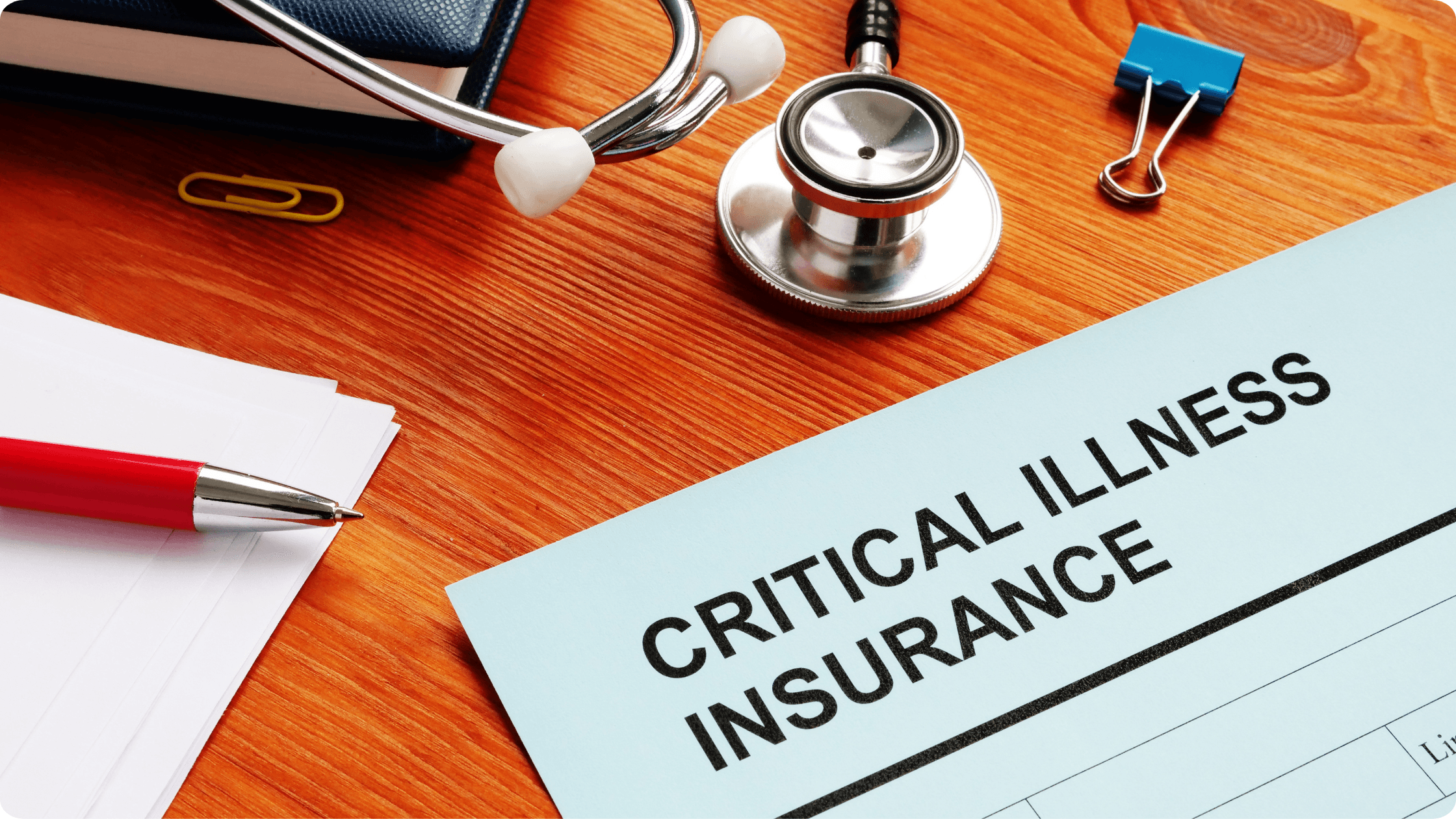
You could believe that you have enough time until you need to start thinking about your health if you're in your early 30s or late 20s. However, this might not be the case. Unexpected medical emergencies can happen at any time, and in these situations, inadequate protection can be harmful. In these circumstances, being financially prepared to handle them should be just as important as having medical coverage. The key to obtaining sufficient financial security to handle such circumstances is health insurance coverage.
Health insurance has become essential today due to rising stress levels and other lifestyle factors. This is especially true in the event of a serious disease, which frequently has deadly outcomes. Therefore, when purchasing health insurance in India, one must include a critical sickness plan.
Relation of Changing Lifestyle and Critical Illness
The sort of lifestyle diseases afflicting people is also getting worse as a result of the dramatic shift in lifestyles compared to previous generations. These days, diseases like cancer, renal failure, stroke, and poor sanitation are more common than ever before. Hypertension, diabetes, obesity, stress, and unhealthy eating and sleeping habits are among the many factors that contribute to these disorders. The exorbitant expense of treating these life-threatening diseases may put a serious dent in your savings. This could cause you to lose all of your money. So, when medical care is of the utmost importance, critical illness insurance might assist you in escaping financial hardship.
Having established the current significance of an early health insurance policy, we can now examine the advantages of purchasing one at an early age.
1. No Need for a Medical Check Up
A medical exam is not necessary for a critical illness insurance policy purchased before the age of 45. In addition, this facilitates the easy acquisition of immediate coverage. Also, you may renew your critical illness coverage for life with some insurance providers. Critical illness insurance protects policyholders against financial ruin in the event of a heart attack, kidney failure, cancer of varied stages, or any potentially fatal condition that might necessitate an organ transplant.
2. Pocket-Friendly Premiums
Policyholders who get critical illness coverage before the age of 45 are exempt from the requirement of a medical checkup. Furthermore, this makes it easier to get quick coverage. Additionally, with certain insurance companies, you have the option to renew your critical illness coverage for life. If a policyholder is critically ill and needs an organ transplant, such as in the case of a heart attack, renal failure, cancer in its various stages, or any other potentially deadly condition, critical illness insurance will cover them financially.
3. No Worries About Waiting Periods
You have to wait a certain amount of time before you can get a big sum from your critical illness insurance. If you want to get a critical illness plan while you're young, you'll have to wait until you've finished the policy's specified waiting period, which may be anywhere from 24 to 48 months.
4. Lumpsum Payment
Choosing a critical illness plan that offers a lump sum pay-out can help alleviate the financial burden of treating serious diseases. Under the policy's conditions, such a payment is given based on the official diagnosis of the illness. In addition to assisting with the hefty medical expenses, it guarantees financial support for income loss while undergoing treatment. You can also utilise the lump payment to cover the expense of medications both during and after your treatment.
Conclusion
Even though a serious sickness in the family might put a damper on your financial preparations, you can protect yourself from financial hardship by purchasing critical illness insurance. You should shop around for health insurance coverage before settling on a policy. The field of insurance is being solicited. Before finalising a purchase, thoroughly review the sales brochure or policy.
Disclaimer: This blog is intended solely for educational and informational purposes. The content may include outdated information regarding the topic discussed. Readers are encouraged to confirm the accuracy and relevance of the data before making any significant decisions. SBI General Insurance disclaims responsibility for any errors or consequences arising from the use of outdated information provided herein.
This blog is intended solely for educational and informational purposes. Content reflects data at time of publication and may not accurately reflect current premiums, terms, or regulations. Readers are encouraged to confirm the accuracy and relevance of the data before making any significant decisions. SBI General Insurance disclaims responsibility for any errors or consequences arising from the use of outdated information provided herein. For more details, please refer to the policy wordings and prospectus before concluding the sales. *Add-ons are subject to payment of additional premium.
Access and manage all your Insurance Needs in one place, right at your Fingertips.



4/5*
Access and manage all your Insurance Needs in one place, right at your Fingertips.


Vision
Our vision is to become the most trusted general insurer for a transforming India.
Mission
Our mission is to provide simple and innovative general insurance solutions, be responsive to our customers' needs and build a sustainable business for the future.
We're socially active!