


 Contact Us


 Other Insurance
Understanding Health Insurance Claims in India: Key Things Policyholders Should Know

Date: Jun 8, 2026 - Last Modified Jun 8, 2026


Medical emergencies can arise unexpectedly. During such situations, the last thing anyone wants is confusion about insurance claims.
Understanding how health insurance claims work can make the process smoother. It can also help you avoid delays and unnecessary stress during hospitalisation.
Many people search for topics, like health insurance new guidelines in India, latest health insurance updates, and other claim-related information to understand their coverage better. While claim procedures can differ from one insurer to another, knowing the basics can help you stay prepared.
What Is a Health Insurance Claim?
A health insurance claim is a request made to an insurer to cover eligible medical expenses. Once the claim is approved, the insurer pays the covered amount according to the policy terms and conditions.
Health insurance claims are generally settled in two ways:
Cashless claims
Reimbursement claims
Types of Health Insurance Claims
Cashless Claims
A cashless claim allows you to receive treatment at a network hospital without paying the full hospital bill upfront. The insurer settles eligible expenses directly with the hospital.
This option is often preferred because it reduces immediate out-of-pocket expenses during treatment.
Reimbursement Claims
A reimbursement claim is used when treatment is taken at a non-network hospital or when expenses are paid directly by the policyholder. In this case, you need to submit the required documents to the insurer after treatment.
Once the claim is reviewed and approved, eligible expenses are reimbursed as per the policy terms.
Documents Commonly Required for Claims
The exact document requirements might vary by insurer and the type of policy.
For Reimbursement Health Insurance Claims:
Duly filled and signed claim form
Valid identity proof
Doctor's prescription recommending hospitalisation
Doctor's prescriptions for medicines, consultations, and diagnostic tests
Final hospital bill and payment receipts
Hospital discharge summary
Original pharmacy bills
Ambulance bills, if applicable
Indoor case papers
Policy copy or health card issued by the insurer
First Information Report (FIR), if required for the claim
Depending on the nature of the treatment and claim, the insurer could request additional documents for assessment.
For Cashless Health Insurance Claims:
Pre-authorisation claim form
Valid identity proof
Recent photograph, if required
Health card or policy copy
Personal identification documents such as PAN card, Aadhaar card, voter ID card, or driving licence
The insurer or hospital may request additional documents based on the treatment and policy terms.
Keeping these documents organised can make the claims process much easier.
Note: The documents listed above are indicative in nature. The exact requirements may vary depending on the insurer, policy terms, treatment received, and the type of claim being filed. It is advisable to check with your insurer for the latest documentation requirements.
What Can Affect a Health Insurance Claim?
A host of factors can influence claim approval and settlement.
Waiting Periods
Many health insurance policies have waiting periods for specific illnesses, treatments, or pre-existing conditions. Claims related to such conditions may not be covered during the waiting period.
Policy Exclusions
Every policy has certain exclusions. These are situations or treatments that are not covered. Reviewing your policy document can help you understand these limitations.
Incomplete Documents
Missing documents can delay the claims process. Therefore, one must always double-check the paperwork before submission.
Lapsed Policies
A claim may not be admissible if the policy is inactive due to non-payment of premiums. Renewing your policy on time helps ensure uninterrupted coverage.
Common Reasons for Claim Delays
More often than not, documentation issues cause claim delays. Here are some common reasons:
Incomplete claim forms
Missing medical records
Incorrect information
Delayed submission of documents
Additional verification requirements
Submitting accurate information from the beginning is hence essential. It may reduce the likelihood of delays.
How Digital Services Are Simplifying Health Insurance Claims
In recent times, the claims process has simplified significantly, largely due to the rise of digital services. Many insurers now allow policyholders to:
Track their claim status online
Upload their claim documents digitally
Access policy details
Locate network hospitals easily
Download claim forms
These services make it easier to manage claims without visiting a branch.
Why It Is Important to Stay Updated
Health insurance processes continue to evolve. This is why many people look for information related to new health insurance claim rules in India, health insurance policy changes in India, and new insurance regulations in India.
Staying informed allows policyholders to understand claim requirements, documentation needs, and policy benefits more clearly.
However, the policy document remains the most important source of information for coverage and claim eligibility.
Simple Tips for a Hassle-Free Claim Experience
A few simple habits can make a big difference when it comes to the claims process. Here are some practical tips to keep in mind:
Read the policy documents carefully.
Keep medical records organised and handy.
Inform the insurer within the required timelines.
Use network hospitals whenever possible.
Renew the policy on time to enjoy continued coverage and benefits.
Save copies of all submitted documents.
These steps can make the claims process much smoother when you need it most.
Conclusion
Medical emergencies are stressful enough. Understanding how health insurance claims work can make one part of the process easier.
Knowing the difference between cashless and reimbursement claims, keeping documents ready, and understanding your policy coverage can save valuable time during treatment.
Over and above understanding the claims process, choosing a suitable health insurance plan is of equal importance. SBI General Insurance can help you stay financially prepared for unexpected medical expenses.
FAQs
1. What are the latest health insurance updates that policyholders should know?
The health insurance industry continues to evolve with new features, digital services, and changes in claim processes. Staying informed about the latest health insurance updates can help policyholders understand their coverage better and make the most of their policy benefits.
2. Have there been any new health insurance claim rules in India?
Many policyholders look for information on new health insurance claim rules in India to understand how claims are processed. While claim procedures and requirements can change over time, the most important thing is to review your policy document and follow the insurer's claim guidelines carefully.
3. What documents are usually required for a health insurance claim?
The documents required can vary depending on the type of claim and treatment received. In most cases, insurers ask for hospital bills, discharge summaries, prescriptions, diagnostic reports, and a completed claim form. Keeping these documents ready can make the claim process smoother.
4. How can health insurance policy changes in India affect policyholders?
Health insurance policy changes in India can sometimes impact coverage features, claim procedures, waiting periods, or benefits. Reviewing policy updates and insurer communications regularly can help policyholders stay aware of any changes that may affect their coverage.
5. What should policyholders know about new claim settlement rules in health insurance?
When searching for new claim settlement rules in health insurance, it is important to remember that claim settlement depends on factors such as policy coverage, eligibility, and document submission. Providing complete and accurate information can help ensure a smoother claim experience.
This blog is intended solely for educational and informational purposes. Content reflects data at time of publication and may not accurately reflect current premiums, terms, or regulations. Readers are encouraged to confirm the accuracy and relevance of the data before making any significant decisions. SBI General Insurance disclaims responsibility for any errors or consequences arising from the use of outdated information provided herein. For more details, please refer to the policy wordings and prospectus before concluding the sales. *Add-ons are subject to payment of additional premium.
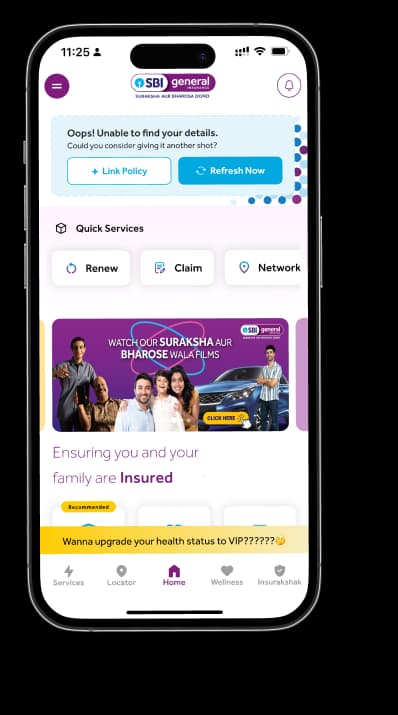
Access and manage all your Insurance Needs in one place, right at your Fingertips.



4/5*
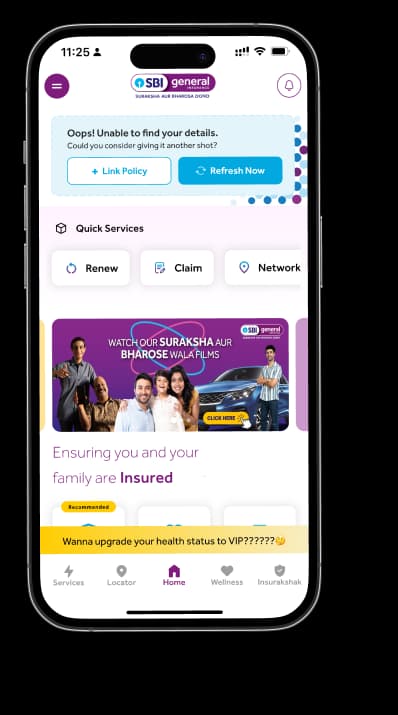
Access and manage all your Insurance Needs in one place, right at your Fingertips.


Vision
Our vision is to become the most trusted general insurer for a transforming India.
Mission
Our mission is to provide simple and innovative general insurance solutions, be responsive to our customers' needs and build a sustainable business for the future.
We're socially active!