


 Contact Us


 Other Insurance
Everything You Need to Know About TPA in Insurance

Date: Jan 25, 2023 - Last Modified May 22, 2026


Health insurance involves several important processes such as policy management, hospital coordination, and claim handling. A third-party administrator (TPA) acts as a link between insurers, hospitals, and policyholders to help manage these services more efficiently. Understanding the role of TPAs can help individuals navigate insurance processes more smoothly and better understand claim-related and healthcare support services.
What is a Third-Party Administrator?
A third-party administrator (TPA) is an organisation authorised to provide certain administrative and healthcare support services on behalf of health insurance companies. These services may include claim assistance, hospital coordination, document verification, and policyholder support during medical treatment and claim-related procedures.
In India, TPAs are licensed and regulated by the Insurance Regulatory and Development Authority of India (IRDAI).
Many people search for what is TPA in insurance while learning about cashless treatment facilities and health insurance claim processes. In health insurance, a TPA generally acts as a coordination link between the insurance company, network hospitals, and policyholders.
The TPA meaning in insurance is commonly associated with healthcare administration and claim support services that help streamline communication and operational processes during hospitalisation or treatment. TPAs may also assist with maintaining hospital networks and guiding policyholders through admission and claim-related formalities.
For example, TPAs may help support:
- Cashless hospital admission processes.
- Coordination between hospitals and insurers.
- Health insurance claim documentation.
- Verification of policy and treatment details.
- Policyholder assistance during planned or emergency treatment.
Benefits of TPA Services in Health Insurance
TPA services help improve healthcare administration and support smoother coordination between policyholders, hospitals, and insurance companies.
Better Hospital and Claim Coordination
Understanding the role of TPA in health insurance can help policyholders become more familiar with:
- Network hospital access procedures
- Treatment approval coordination
- Claim documentation requirements
- Cashless treatment support systems
- Policy-related customer support services
TPAs may also assist policyholders during planned treatments and emergency hospitalisation by coordinating with hospitals and insurers.
Administrative Support for Policyholders
The TPA meaning in insurance is often associated with convenience during healthcare claim procedures because TPAs help streamline administrative activities and communication processes.
Common support services provided by TPAs may include:
- Document verification assistance
- Claim tracking and status updates
- Network hospital information support
- Guidance during hospital admissions
- Coordination for cashless treatment requests
- Customer support for healthcare-related queries
For example, TPAs may guide policyholders during planned surgeries, assist with hospital admission procedures, and support communication between healthcare providers and insurance companies for smoother healthcare management.
Supports Faster Communication During Medical Situations
TPA services may help improve communication between hospitals, insurers, and policyholders during treatment and claim-related procedures. Faster coordination can help policyholders receive timely updates regarding approvals, document requirements, and healthcare support services.
How the TPA Claim Process Works
During planned hospitalisation, the hospital may contact the TPA to verify insurance details and request treatment approval according to policy terms and conditions.
Common Steps in the TPA Claim Process
The role of TPA in health insurance may include several coordination and administrative activities such as:
- Verifying policy and treatment details with hospitals.
- Reviewing claim-related documents submitted by policyholders.
- Coordinating with insurance companies for treatment approval.
- Assisting with cashless hospitalisation procedures.
- Requesting additional documents if required during verification.
- Providing updates related to claim status and processing.
- Supporting reimbursement claim procedures after treatment.
Conclusion
TPAs are important for managing healthcare administration and insurance claims. Knowing what TPAs do and how claims work helps policyholders use their insurance better. Being aware of TPA services also makes communication easier between hospitals, insurers, and patients during treatment and claims.
Frequently Asked Questions
1. What is TPA in health insurance?
A TPA in health insurance is a third-party administrator that supports claim processing, hospital coordination, customer assistance, and healthcare-related administrative services for policyholders.
2. What does a third-party administrator do?
A third-party administrator manages claim support, hospital network coordination, document verification, customer service, and communication between insurers, hospitals, and policyholders during healthcare procedures.
3. How does TPA help in cashless hospitalisation?
TPAs coordinate with network hospitals for treatment approval, policy verification, and claim-related communication to support smoother cashless hospitalisation processes for insured individuals.
4. Is TPA necessary for health insurance claims?
TPAs commonly support claim management and healthcare coordination, especially for cashless treatment and hospital-related administrative processes within many health insurance policies.
5. What is the difference between an insurer and a TPA?
An insurer provides the insurance policy and coverage, while a TPA manages healthcare support services, claim coordination, and hospital communication on behalf of the insurer.
This blog is intended solely for educational and informational purposes. Content reflects data at time of publication and may not accurately reflect current premiums, terms, or regulations. Readers are encouraged to confirm the accuracy and relevance of the data before making any significant decisions. SBI General Insurance disclaims responsibility for any errors or consequences arising from the use of outdated information provided herein. For more details, please refer to the policy wordings and prospectus before concluding the sales. *Add-ons are subject to payment of additional premium.
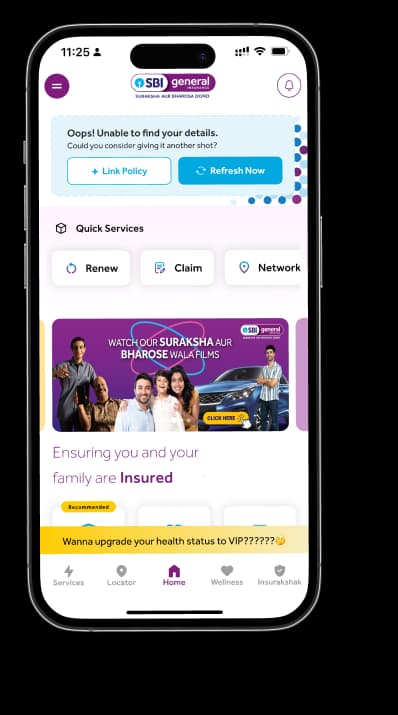
Access and manage all your Insurance Needs in one place, right at your Fingertips.



4/5*
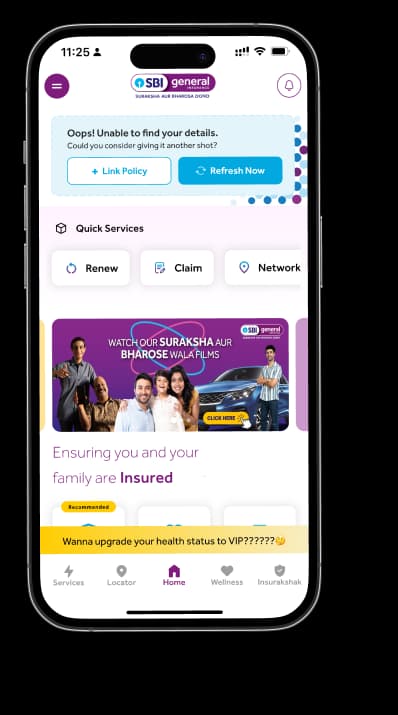
Access and manage all your Insurance Needs in one place, right at your Fingertips.


Vision
Our vision is to become the most trusted general insurer for a transforming India.
Mission
Our mission is to provide a seamless insurance experience to our customers, with a focus on accessibility, affordability, and accessibility.
We're socially active!