


 Contact Us


 Other Insurance
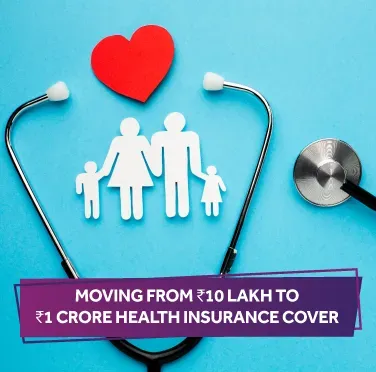
Moving From ₹10 Lakh To A ₹1 Crore Health Insurance Cover
Date: Dec 13, 2024 - Last Modified Feb 16, 2026


In today's unpredictable world, ensuring that you have adequate health insurance is more important than ever. Many individuals initially opt for a health insurance cover of ₹10 lakh, thinking it will suffice for their medical needs. However, as healthcare costs rise, you may find yourself contemplating a move to a ₹1 crore health insurance cover. This article explores the differences between these two options, the benefits of upgrading, and why you should consider SBI General for your health insurance needs.
What Is A Health Insurance Cover?
Health insurance is a contract between an insurer and a policyholder, wherein the insurer agrees to cover the medical expenses incurred by the policyholder in exchange for a premium. Health insurance coverage provides financial protection against high medical costs due to hospitalization, surgeries, and other healthcare services. The amount covered is known as the sum insured, and it can vary widely based on the chosen policy.
₹10 Lakh Vs. ₹1 Crore Health Insurance Cover
The primary difference between a ₹10 lakh cover and a ₹1 crore health insurance plan is the extent of financial protection provided. While a health insurance 10 lakh cover may be adequate for minor surgeries and short hospital stays, it may fall short in the case of severe medical conditions requiring extensive treatment. For instance, a single critical illness or a major accident can easily lead to medical expenses exceeding ₹10 lakh, leaving you to bear the remaining costs out-of-pocket.
On the other hand, a ₹1 crore medical insurance cover offers substantial financial security. This enhanced coverage means that you can access better healthcare facilities without worrying about the financial burden. Moreover, with advancements in medical technology and treatments, the costs of healthcare continue to escalate, making a ₹1 crore cover a more prudent choice for long-term security.
Should You Go for a ₹1 Crore Cover?
Deciding whether to upgrade to a ₹1 crore medical insurance plan depends on various factors, including your health status, family medical history, and financial capability. This comprehensive coverage can provide peace of mind, knowing that you are financially protected against unforeseen medical emergencies.
Additionally, if you live in a metropolitan area where healthcare costs are higher, a ₹1 crore cover ensures that you can afford quality treatment without compromising on the healthcare facilities available to you. It's essential to assess your needs carefully and understand that investing in a more extensive health insurance plan can be a wise financial decision in the long run.
Premiums for Health Insurance Policies with ₹1 Crore Sum Assured
One of the most common concerns regarding upgrading health insurance coverage is the cost of premiums. Moving from a ₹10 lakh cover to a ₹1 crore health insurance plan may seem expensive, but it is often more affordable than many expect. Insurance providers typically offer competitive premium rates for higher coverage amounts, making it accessible to a broader audience.
On average, the premium for ₹1 crore health insurance plans can range from ₹12,000 to ₹25,000 annually, depending on various factors such as age, health status, and specific policy features. When compared to the potential medical expenses you might incur, this premium is a small price to pay for financial security.
Differences Between A Top-Up Plan And Super Top-Up Plan
Feature | Top-Up Plan Health Insurance Plans | Super Top-Up Plan Health Insurance Plans |
Definition | Provides additional coverage after exhausting the base policy sum insured. | Offers additional coverage with limits after base policy. |
Deductible | Requires a deductible amount to be paid out-of-pocket before coverage begins. | Deductible applies only once during the policy period; subsequent claims are fully covered. |
Coverage Structure | Coverage kicks in after the base policy limit is reached and the deductible is met. | Once the deductible is met, all subsequent claims within the policy period are covered. |
Cost-Effectiveness | Typically less cost-effective for frequent healthcare needs due to the deductible on each claim. | More cost-effective for individuals with frequent medical needs due to cumulative coverage. |
Management | May require multiple out-of-pocket payments for different claims. | Easier to manage with fewer out-of-pocket payments after the deductible. |
Claim Process | Each claim requires the deductible to be met again. | Only needs the deductible to be met once for all claims in the policy period. |
Also Read: High Deductible vs Low Deductible: What You Need to Know?
Conclusion
Upgrading your health insurance from a ₹10 lakh cover to a ₹1 crore cover is a crucial decision that can offer significant financial security. The rising costs of healthcare make it imperative to consider a more extensive health insurance plan. If you're contemplating this transition, look no further than SBI General. With a range of health insurance plans tailored to your needs, competitive premiums, and excellent customer service, SBI General Insurance is well-equipped to help you secure your health and well-being.
Frequently Asked Questions
Q1. Is it expensive to move from a ₹10 lakh cover to a ₹1 crore cover?
While the transition may appear costly, the actual premium difference is often less than expected, especially when considering the potential medical expenses you may incur.
Q2. How much is an average ₹1 crore premium top-up?
The average premium for a ₹1 crore top-up plan generally ranges between ₹12,000 to ₹25,000 annually, depending on various factors.
Q3. Can I start availing of the top-up benefits immediately?
Typically, there is a waiting period associated with top-up plans. However, once the waiting period is over, you can avail yourself of the benefits as outlined in your policy.
This blog is intended solely for educational and informational purposes. Content reflects data at time of publication and may not accurately reflect current premiums, terms, or regulations. Readers are encouraged to confirm the accuracy and relevance of the data before making any significant decisions. SBI General Insurance disclaims responsibility for any errors or consequences arising from the use of outdated information provided herein. For more details, please refer to the policy wordings and prospectus before concluding the sales. *Add-ons are subject to payment of additional premium.
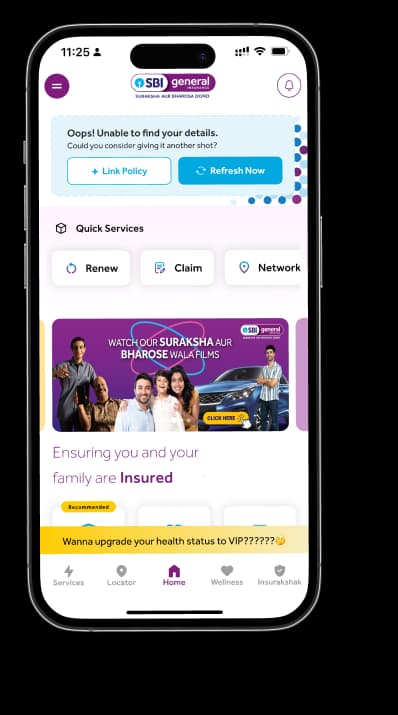
Access and manage all your Insurance Needs in one place, right at your Fingertips.



4/5*
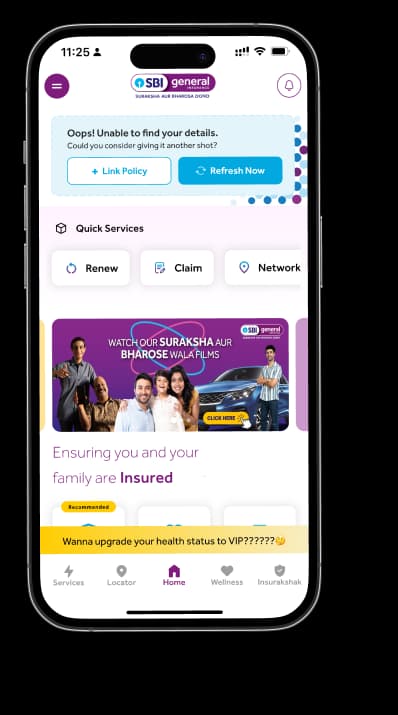
Access and manage all your Insurance Needs in one place, right at your Fingertips.


Vision
Our vision is to become the most trusted general insurer for a transforming India.
Mission
Our mission is to provide simple and innovative general insurance solutions, be responsive to our customers' needs and build a sustainable business for the future.
We're socially active!