


 Contact Us


 Other Insurance
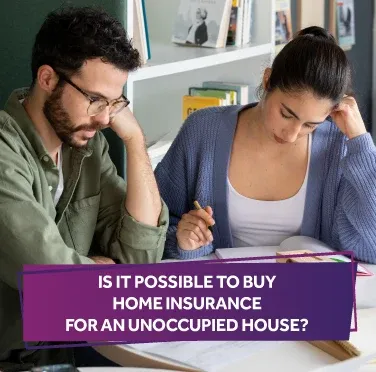
Is It Possible to Buy Home Insurance for an Unoccupied House?
Date: Feb 10, 2025 - Last Modified Mar 24, 2026


In today’s fast-paced world, owning a home is often seen as a significant achievement. But what happens when your property is left unoccupied for some time, whether due to travel, a second home, or a property under renovation?
Does home insurance still apply, or is it simply too risky to leave your home unprotected? This article explores whether it’s possible to insure an unoccupied house and offers insights into the various types of home insurance available. We’ll also highlight how keeping your property safe can help you maintain coverage and the benefits of securing home insurance, even for properties that are temporarily uninhabited.
Can You Insure an Unoccupied House?
The simple answer is yes, you can purchase home insurance online for an unoccupied house, but it comes with its own set of considerations. Typically, standard home insurance policies are designed to cover properties that are occupied regularly. Once a home becomes unoccupied for a certain period, insurance providers may consider the risk higher, as vacant homes are more vulnerable to theft, vandalism, and even damage from environmental factors such as storms or leaks.
However, insurers understand that there are legitimate reasons for leaving a property unoccupied for a time, and many providers offer specialist unoccupied home insurance. These policies are tailored to provide coverage for homes that are vacant for more than 30 consecutive days (although this period may vary depending on the insurer). It’s important to check your current policy’s terms to understand any exclusions related to unoccupied properties. In some cases, you may need to purchase additional coverage or amend your existing policy to account for this change in occupancy status.
Benefits of Unoccupied Home Insurance
Unoccupied home insurance is designed to protect your property against risks that could arise when your house is left vacant. The key benefits include:
- Protection Against Theft and Vandalism: Vacant properties are prime targets for burglars or vandals, as they are often seen as easy pickings. A tailored unoccupied home insurance policy helps safeguard your property from such threats, providing peace of mind even when you're not around.
- Coverage for Damage or Loss: A vacant house is also more susceptible to issues like water damage, frozen pipes, or roof leaks. Standard home insurance may not cover these risks for an unoccupied house, but specialist policies can step in to protect your home from such damage.
- Fire and Environmental Hazards: Unoccupied houses can face an increased risk of fire or environmental damage. A good home insurance policy ensures that your property is protected from these dangers, which can often go unnoticed when no one is living in the house.
- Tailored Coverage: Unoccupied home insurance often comes with additional features that cater specifically to vacant properties. This includes extended coverage for longer periods and may also include more comprehensive provisions for maintenance checks or security features.
- Peace of Mind: Knowing your unoccupied house is covered gives you peace of mind, whether you’re travelling or moving to another property. This allows you to rest easy, knowing that your home is still protected against unexpected events.
Keeping Your Unoccupied House Safe
Even with the right insurance in place, it’s important to take steps to minimise the risks to your unoccupied property. Here are a few tips to ensure that your home stays safe:
- Regular Property Inspections: Regularly checking the house, even if you're not living there, can help prevent small issues from turning into bigger problems. Look for signs of damage, leaks, or infestations. Some insurance policies may require you to check on the property periodically to maintain your coverage.
- Security Features: Install security measures such as CCTV cameras, alarm systems, and motion-activated lights. These can deter burglars and provide an additional layer of protection for your home. Some home insurance providers may offer discounts for properties with enhanced security systems in place.
- Keep Up with Maintenance: Even when the property is unoccupied, it’s crucial to maintain the house. Clear gutters, check for any potential plumbing issues, and ensure the heating system is functioning properly to avoid risks such as frozen pipes or water damage.
- Notify Neighbours or Caretakers: If possible, let a trusted neighbour or caretaker know that your house will be unoccupied. They can keep an eye on the property and alert you to any issues that arise, such as suspicious activity or damage.
- Ensure Proper Utility Management: Turn off unnecessary utilities to prevent things like gas leaks or water damage. However, make sure that essential systems like heating or cooling remain operational to avoid issues such as frozen pipes in the winter.
Also Read: How to Apply for Home Insurance: Step-by-Step Process
Conclusion
Insuring an unoccupied house is both possible and essential to protect your property from risks like theft, damage, and environmental hazards. A tailored unoccupied home insurance policy ensures your home remains covered, even when you're not around. Use a home insurance calculator to compare plans and find the best coverage for your needs. For reliable and comprehensive protection, SBI General Insurance offers excellent options, ensuring your home stays secure, whether it’s occupied or not.
Disclaimer: The above information is indicative in nature. For more details on the risk factor, terms and conditions, please refer to the Sales Brochure and Policy Wordings carefully before concluding a sale.
This blog is intended solely for educational and informational purposes. Content reflects data at time of publication and may not accurately reflect current premiums, terms, or regulations. Readers are encouraged to confirm the accuracy and relevance of the data before making any significant decisions. SBI General Insurance disclaims responsibility for any errors or consequences arising from the use of outdated information provided herein. For more details, please refer to the policy wordings and prospectus before concluding the sales. *Add-ons are subject to payment of additional premium.
Access and manage all your Insurance Needs in one place, right at your Fingertips.



4/5*
Access and manage all your Insurance Needs in one place, right at your Fingertips.


Vision
Our vision is to become the most trusted general insurer for a transforming India.
Mission
Our mission is to provide simple and innovative general insurance solutions, be responsive to our customers' needs and build a sustainable business for the future.
We're socially active!