


 Contact Us


 Other Insurance
How to Check Bike Insurance Validity Online?

Date: Feb 11, 2022 - Last Modified Aug 19, 2026


If you own a bike, you would know how important it is to have a good motor insurance policy. But buying bike insurance is not a one-time process. Insurance policies come with an expiry date and need to be renewed regularly after fixed intervals of time, usually annually. If you fail to renew the bike insurance policy on time, it loses its validity and will not provide any kind of financial cover in the event of a mishap. So, it is essential to keep track of the renewal date, which can be easily found in the policy document.
What if you want to check the status of your bike insurance policy urgently but don’t have the insurance papers handy or have misplaced them? There’s no need to worry. You can do a bike insurance status check online with just a few clicks. Let’s explore more in this regard.
What to Know Before Checking Bike Insurance Status Online
Before learning how to check bike insurance status check online, you should first understand what the vehicle registration number is.
When you buy a new bike, you first need to register the vehicle with the Regional Transport Office (RTO) of your district within a month of the purchase.
After you have completed the registration process, the RTO issues a registration number, popularly known as the number plate, for your bike. This registration number has to be displayed at the front and back of your vehicle.
The registration number of any vehicle is unique and serves as the bike’s official identity number. Now, when you buy a bike insurance policy , you must submit the registration number of the insured vehicle. The insurer then links the vehicle insurance policy to the bike’s registration number for future reference.
This feature makes it possible for you to track the details of your bike insurance policy online with the help of just the vehicle registration number.
Where and How to Check Bike Insurance Status Online?
Let’s take a look at the platforms where you can do a 2-wheeler insurance check:
1. Via the Insurer’s Website
You can check the validity of your bike insurance policy online through the official website of your insurance company.
Most insurers offer the facility of letting policyholders look for insurance details online on their websites or apps by just using the vehicle registration number.
If you remember the exact policy number, then you can look for your policy details online on the insurer’s website.
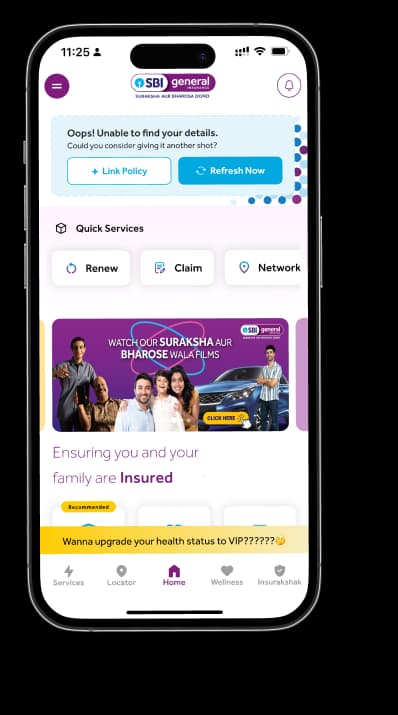
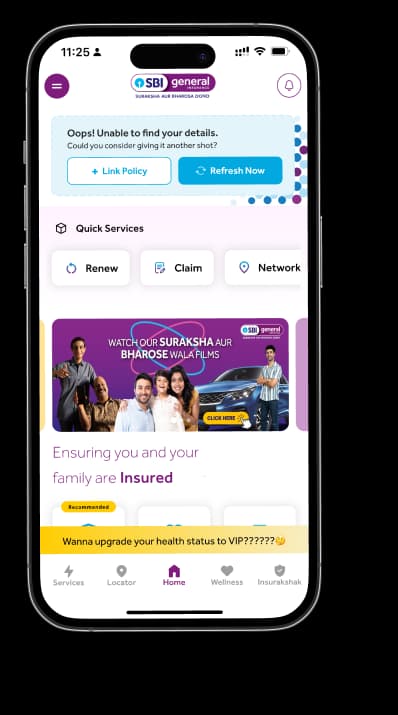
If you are a SBI General Insurance policyholder, you can view your policy details on the company’s official website as well as the SBI General Insurance Mobile app.
2. VAHAN e-Services
You can also check the bike insurance validity at the VAHAN e-Services portal. This website is maintained by the Mministry of Rroad Ttransport and Hhighways and handles all the vehicle registration activities in the country.
On the website, click on the ‘Know your vehicle details’ tab from the top navigation.
Then enter the registration number of your bike and the verification code sent on your registered mobile or email.
Now, when you click on the ‘Search vehicle’ option, you will see all the basic details of your bike, including insurance-related information.
The expiry date of the policy can be found under the ‘Insurance Upto’ column.
3. RTO or State Transport Department’s Websites
You can also visit the official website of your district RTO or the State Transport Department and enter your bike’s registration details to check the insurance status.
What to Do If Your Bike Insurance Has Expired?
If your bike insurance has expired, don’t panic, but don’t ignore it either. Renew it as soon as possible, avoid riding in the meantime, and check if your insurer needs a vehicle inspection. Acting quickly helps you stay protected and out of trouble.
Renew Policy Immediately
The first thing to do is renew your policy as soon as possible. Most insurers make this really easy to do online in just a few minutes. If it has not expired for long, the process is usually smooth. Renewing quickly helps you stay covered without any gaps and avoids unexpected expenses later.
Avoid Riding Without Insurance
It might feel harmless, but riding without insurance is illegal. Many riders only realise this after getting a traffic challan during routine checks. It is best to keep your bike parked until your policy is active again.
Check for Inspection Requirements
If your policy has lapsed for a while, your insurer may ask for a quick inspection of your bike before renewing it. This is a standard process to assess its condition. Scheduling it early can help avoid delays in getting your coverage back.
Importance of Checking Bike Insurance Validity
Checking your bike insurance once in a while may seem like a small task, but it can save you from bigger issues. It helps you stay aware, avoid last-minute stress, and ensures you are always riding with valid protection.
Ensures Legal Compliance on the Road
In India, having valid bike insurance is not optional; it is required by law. A quick check now and then ensures one is always compliant and doesn’t face issues during traffic stops or document checks.
Helps Avoid Fines and Penalties
Expired insurance can lead to easily avoidable fines. Many people only realise their policy has lapsed when they are stopped by the traffic police. Regularly check your insurance and renew on time to avoid unnecessary penalties.
Prevents Financial Loss During Accidents
If motor insurance is inactive, even a small accident can become a big expense. Repair costs and medical bills can pile up. Having an active policy gives you peace of mind and a financial cushion when it really counts.
Conclusion
Staying on top of your bike insurance doesn’t take much effort, but it makes a big difference. A quick check, timely renewal and using the right platforms can keep you stress-free, legally compliant and financially secure every time you ride.
FAQs
1. Can I check bike insurance validity using the vehicle number only?
Yes, you can. Platforms like Parivahan allow you to check your policy status using just your vehicle registration number.
2. Is it possible to check bike insurance without a policy number?
Absolutely. You don’t always need your policy number; your vehicle details are usually enough to find your insurance information online.
3. How often should I check my bike insurance status?
It is a good idea to check every few months, or at least before long trips, to make sure everything is in order.
4. Can I download my bike insurance policy online?
Yes, most insurers let you download your policy from their website or mobile app anytime you need it.
5. What happens if my bike insurance lapses?
Your coverage stops immediately. You may also face fines if caught riding, and renewal could require an inspection depending on how long it has been expired.
6. Are online insurance verification platforms safe to use?
They are safe as long as you stick to official sources like Parivahan or your insurer’s website.
This blog is intended solely for educational and informational purposes. Content reflects data at time of publication and may not accurately reflect current premiums, terms, or regulations. Readers are encouraged to confirm the accuracy and relevance of the data before making any significant decisions. SBI General Insurance disclaims responsibility for any errors or consequences arising from the use of outdated information provided herein. For more details, please refer to the policy wordings and prospectus before concluding the sales. *Add-ons are subject to payment of additional premium.
Access and manage all your Insurance Needs in one place, right at your Fingertips.



4/5*
Access and manage all your Insurance Needs in one place, right at your Fingertips.


Vision
Our vision is to become the most trusted general insurer for a transforming India.
Mission
Our mission is to provide simple and innovative general insurance solutions, be responsive to our customers' needs and build a sustainable business for the future.
We're socially active!