


 Contact Us


 Other Insurance
A Comprehensive Guide to the Different Types of Passports in India
Date: Nov 27, 2024 - Last Modified May 20, 2026


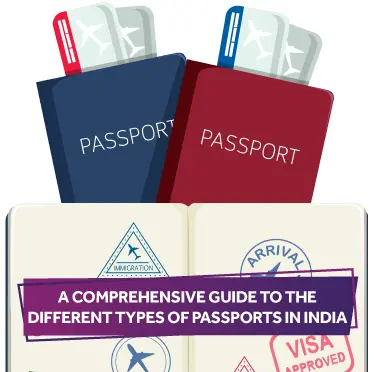
India issues four main types of passports: blue for ordinary citizens, white for government officials travelling on official duty, maroon for diplomats, and an ECR or orange passport. Each passport type is issued based on the traveller’s role and purpose of travel.
Many people only realise these differences while applying for a passport or planning an international trip. Understanding the various passport categories, their purpose and the application process can help make travelling smoother and avoid unnecessary confusion later.
What is a Passport?
A passport is an official government-issued document that confirms a person’s identity and nationality for international travel. It allows Indian citizens to travel outside the country and also serves as valid proof of identity and address.
Apart from travel purposes, passports are often used for visa applications, immigration checks, hotel verification and financial documentation. Understanding the types of passports in India can help travellers choose the right category.
Different Types of Passports in India
India mainly issues four different types of passports in India, each identified by a specific colour and purpose.
Ordinary Passport (Blue Passport)
The blue passport is the most commonly issued passport in India. It is meant for ordinary citizens travelling abroad for tourism, education, work or business purposes.
Many first-time travellers apply for this passport while planning international holidays or overseas studies. It is available in 36-page and 60-page booklet formats, depending on travel frequency.
Diplomatic Passport (Maroon Passport)
The maroon passport or VIP passport in India is issued to diplomats, senior government officials and individuals representing India on diplomatic assignments overseas.
This passport may provide certain privileges, such as faster immigration clearance in some countries. However, it is strictly meant for official diplomatic purposes.
Official Passport (White Passport)
The white passport is issued to government officials who travel abroad as part of their official responsibilities. Unlike the regular blue passport used for personal trips, holidays or studies, this passport is meant specifically for government-related work and official assignments overseas.
Foreign authorities can easily identify individuals travelling on official government business through this passport category.
Orange Passport (ECR Passport)
The orange passport is issued to individuals who fall under the Emigration Check Required (ECR) category. It is generally provided to people travelling abroad for employment in certain countries, and who require emigration clearance.
This category was introduced to improve the safety and monitoring of workers travelling overseas for employment opportunities.
What is an E-Passport?
India has also introduced e-passports with embedded electronic chips to improve security and simplify immigration procedures. These passports securely store biometric and personal details, making them more difficult to forge or tamper with.
E-passports are designed to support faster and safer verification at airports and international checkpoints.
Eligibility for Different Passport Types
Eligibility depends on the applicant’s purpose of travel and professional background.
- Ordinary Passports: Ordinary passports are generally issued to Indian citizens travelling abroad for personal, educational or professional reasons.
- Diplomatic Passports: Diplomatic passports are meant for diplomats and authorised representatives travelling overseas on official diplomatic duties.
- Official Passports: Official passports are issued to government employees travelling abroad as part of their official work assignments.
- Orange Passports: Orange passports are issued to individuals who require emigration clearance.
The final approval is based on document verification and guidelines issued by Passport Seva authorities.
How to Apply for an Official Passport in India?
Follow these steps to apply for an official passport in India:
1. Obtain approval from the concerned government department or ministry.
2. Visit the Passport Seva portal and complete the application form.
3. Submit the required details and supporting documents.
4. Complete the verification and approval process through the authorised department.
5. Receive the official passport after government clearance and processing.
Documents Required for Passport Application
The exact document list may vary depending on the types of passports in India, but some commonly required documents include:
- Aadhaar Card
- PAN Card
- Voter ID
- Proof of address
- Birth certificate or date of birth proof
- Existing passport for renewal or reissue
- Government authorisation letter for official and diplomatic passports
Validity of Passports in India
For most adults, ordinary passports are generally valid for 10 years. Passports issued to minors are usually valid for 5 years or until the child turns 18, whichever comes earlier.
Official and diplomatic passports may have different validity periods depending on the assignment or government instructions.
Common Reasons for Passport Rejection
Passport applications may get delayed or rejected due to documentation or verification errors. Checking all details carefully before submission can help make the process smoother.
Common reasons include:
- Incorrect or mismatched personal details
- Incomplete application forms
- Invalid or unclear supporting documents
- Pending police verification
- Non-compliant passport photographs
- Applying under the wrong passport category
Reviewing documents and application details in advance can help reduce delays and avoid complications during processing.
Why is it Important to Protect Your Passport with Travel Insurance?
A passport is an essential document for international travel, and losing it abroad can create unexpected challenges during a trip. Situations such as passport loss, baggage delays, or emergency expenses can affect travel plans and lead to additional costs.
Travel insurance can help provide financial support for passport loss, travel delays, and provide emergency assistance during overseas travel. It may also offer coverage for unexpected medical emergencies and other travel-related disruptions, helping travellers manage unforeseen situations more smoothly.
Why Travel Insurance Matters During International Travel
While a passport allows international travel, travel insurance can help provide financial protection during unexpected situations abroad. Medical emergencies, trip cancellations, lost baggage, or passport theft may disrupt travel plans and lead to additional expenses during a trip.
Having travel insurance can also offer support during emergencies, especially when travelling to unfamiliar destinations. Depending on the policy terms, it may help cover emergency medical expenses, travel-related disruptions, and assistance services during overseas travel.
Conclusion
Understanding the different types of passports in India can make international travel planning much easier. Whether you are travelling for a holiday, studies, work, government assignments or overseas employment, choosing the correct passport category is essential for smooth travel and documentation.
Travellers looking for added financial preparedness during international trips can explore travel insurance options from SBI General Insurance based on their travel needs.
Frequently Asked Questions
1. Which passport is issued to ordinary Indian citizens
The blue passport, also known as the ordinary passport, is issued to regular Indian citizens for personal and professional travel.
2. Who gets a diplomatic passport in India?
Diplomatic passports are issued to diplomats, senior government officials and authorised representatives travelling on diplomatic assignments.
3. What is the purpose of the orange passport?
The orange passport is issued to individuals who require emigration clearance before travelling abroad for employment.
4. Are e-passports available in India?
Yes, India has introduced e-passports with electronic chips containing biometric and personal details for improved security.
5. Is travel insurance mandatory for international travel?
Travel insurance may be mandatory for certain countries and visa applications. Even where it is not compulsory, it is strongly recommended for financial protection during travel.
This blog is intended solely for educational and informational purposes. Content reflects data at time of publication and may not accurately reflect current premiums, terms, or regulations. Readers are encouraged to confirm the accuracy and relevance of the data before making any significant decisions. SBI General Insurance disclaims responsibility for any errors or consequences arising from the use of outdated information provided herein. For more details, please refer to the policy wordings and prospectus before concluding the sales. *Add-ons are subject to payment of additional premium.
Access and manage all your Insurance Needs in one place, right at your Fingertips.



4/5*
Access and manage all your Insurance Needs in one place, right at your Fingertips.


Vision
Our vision is to become the most trusted general insurer for a transforming India.
Mission
Our mission is to provide simple and innovative general insurance solutions, be responsive to our customers' needs and build a sustainable business for the future.
We're socially active!