


 Contact Us


 Other Insurance
Everything You Need To Know About Cyber Kidnapping
Date: Mar 13, 2025 - Last Modified Apr 20, 2026


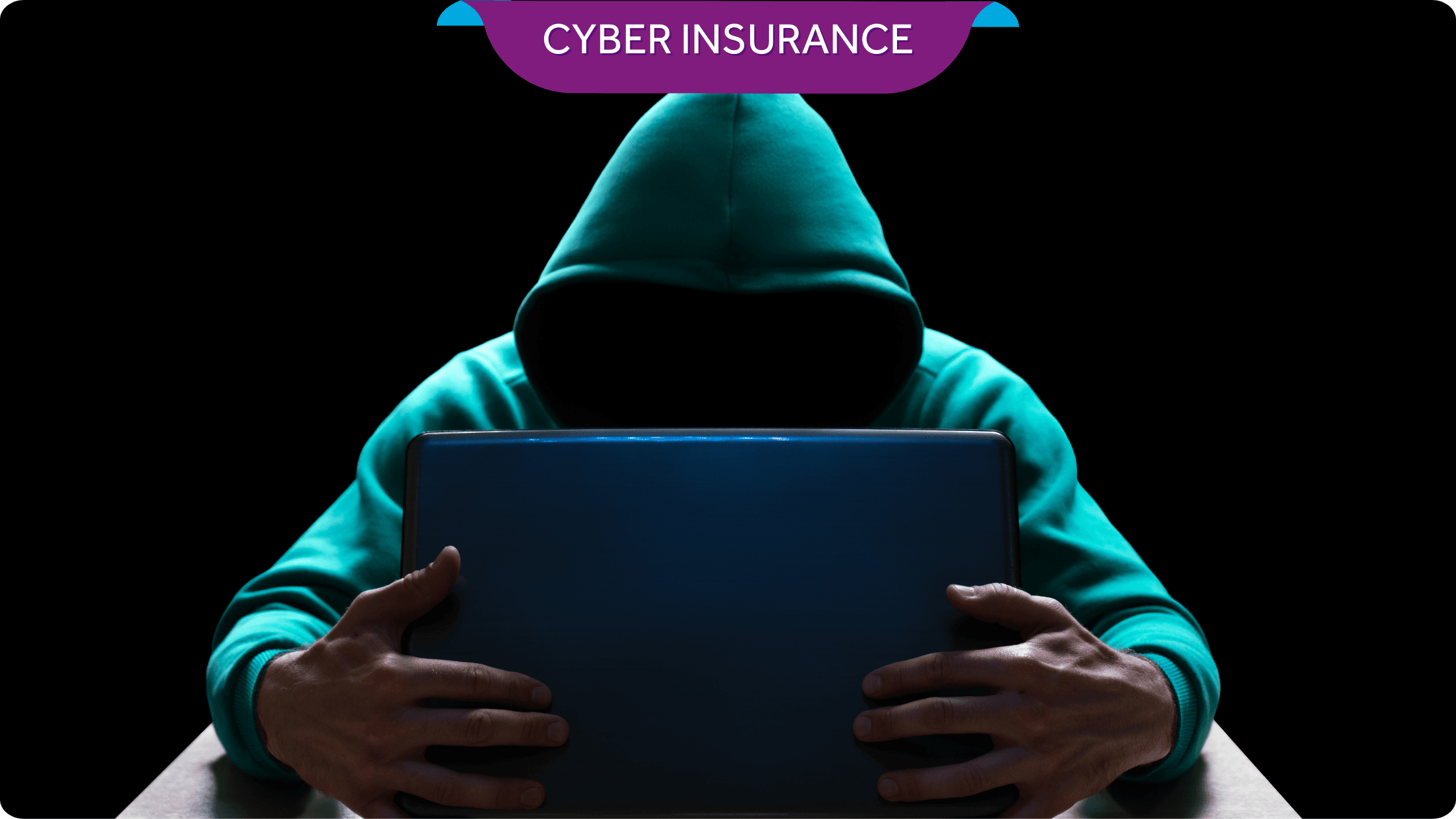
The rise of the digital age has brought countless benefits, but it has also given birth to new threats, one of which is cyber kidnapping. As we spend more time online, the risk of falling victim to cybercrimes such as these continues to increase. Cyber kidnapping is often overshadowed by its traditional counterpart. However, it is still a major form of digital extortion where perpetrators exploit online vulnerabilities to hold their victims’ data, devices, or identities hostage.
This article explains cyber kidnapping through real-life scenarios, highlights how such scams work, and outlines the key differences from other cyber threats. It also provides actionable steps for victims and explains the role of cyber insurance in managing such risks.
What is Cyber Kidnapping?
Cyber kidnapping is a cybercrime where hackers or malicious actors take control of a person's or organisation's online presence or digital assets and demand a ransom in exchange for their release. This form of kidnapping can range from holding personal data hostage to taking control of devices.
Unlike physical kidnapping, which is highly regulated and difficult to execute, cyber kidnapping thrives in the digital world. This is largely due to the anonymity and complexity offered by the internet.
What Are the Common Tactics Used by Cyber Kidnappers?
Cyber kidnappers rely on various tactics to manipulate victims into complying with their demands. Here’s how they operate:
Social Engineering:
Cybercriminals manipulate individuals into revealing sensitive information by posing as law enforcement or bank officials. Since one freely shares personal information with these officials for various purposes, it becomes easier for cybercriminals to exploit this route. A simple yet effective way to save yourself from cyber kidnapping carried out through social engineering is not to panic, but rather to act smartly. Always verify details and ask for official proof before revealing any sensitive information.
Phishing and Malware:
Cyber attackers use phishing messages and emails to trick individuals into revealing their personal details or bank information. Since these messages and emails closely resemble those from official sources, it becomes easier for individuals to fall victim to them. Furthermore, attackers could use malware included in email attachments, WhatsApp-forwarded photos/videos, and app downloads. They can disrupt your personal data.
Manipulating Lack of Technological Understanding:
Cyber kidnappers also exploit victims’ lack of awareness about online threats, targeting those with weak passwords or outdated software, making them vulnerable to attacks. The key to preventing these attacks is to promote technological awareness across all age groups. In cyber kidnapping cases in India, a major group affected is senior citizens, who are often less familiar with these advancements and the threats they pose. Furthermore, government portals such as DigiLocker and banking apps should have mandatory tech updates, strong password settings, and periodic password changes to address these challenges.
What Are the Different Types of Cyber Kidnapping?
Cyber kidnapping can take many forms, each targeting different digital assets or personal data. Here are some common types:
1. Ransomware Attacks
Ransomware is a form of malicious software that locks users out of their data or devices. The cyber kidnapper then demands a ransom, often in cryptocurrency, to unlock the victim’s files. This is one of the most common and damaging forms of cyber kidnapping.
2. Virtual Kidnapping
In a virtual kidnapping scam in India, the perpetrator may send false evidence of an abduction to scare the victim’s family, forcing them to transfer ransom funds quickly. A rapidly growing method used in such attacks is AI voice cloning, where criminals send voice notes that mimic the victim’s voice to make the situation appear genuine.
3. Data Kidnapping
In data kidnapping, cyber criminals target valuable personal or company data, such as personal photos, financial records, and intellectual property. The attacker holds this data hostage, demanding a ransom for its release or threatening to sell it on the dark web.
4. Social Media Kidnapping
Social media kidnapping involves gaining access to a victim’s social media profiles. The attacker may threaten to post compromising photos or personal details unless a ransom is paid to keep the account secure.
5. Credential Kidnapping
Credential kidnapping refers to when hackers steal login credentials for various accounts, including social media, banking, and investment accounts. Once they have this information, they can control the victim’s online presence or engage in fraudulent activities under their identity.
6. Device Kidnapping
In this form of cyber kidnapping, attackers gain control of a victim’s digital devices, such as smartphones, tablets, or computers, and demand payment to restore access. This may involve remotely locking devices or encrypting files.
7. Cloud Kidnapping
With more people storing their data in the cloud, cyber kidnappers have targeted this valuable resource. Cloud kidnapping occurs when attackers gain access to a victim’s cloud storage account, holding their files hostage until a ransom is paid.
8. IoT Kidnapping
With the rise of connected devices like smart home gadgets and wearables, cybercriminals can now target the Internet of Things (IoT) devices. IoT kidnapping occurs when attackers gain control over these devices and demand a ransom to unlock or return control to the user.
9. Digital Arrest (The 2026 Epidemic)
This is the most prevalent form of cyber kidnapping in India today. Fraudsters pose as CBI or Customs officials via video call, "kidnapping" the victim's freedom by forcing them into a "Digital Arrest" where they are monitored 24/7 on camera and extorted for "clearance fees.
Also Read: 10 Cybersecurity Practices to Prevent and Respond to Cyberattacks
How to Avoid Falling Prey to Cyber Kidnapping
Cyber kidnapping is a growing threat, but there are several steps you can take to protect yourself and your digital life.
1. Digital Security
Set unique passwords for each of your online accounts. This secures each account.
Make sure the password is strong. Avoid including personal information, such as date of birth, in it since such a password is easy to crack.
Change the password every few months. This ensures that cyber attackers do not get a loophole to access the password.
Implement two-factor authentication (2FA) wherever possible.
Ensure your devices have up-to-date antivirus software installed.
For any app, ensure it is updated promptly when a notification appears, as updates often enhance the security level.
Regularly back up important files to external storage or the cloud to reduce the impact of ransomware.
Get cyber insurance to protect yourself in case you fall victim to cybercrime. It offers valuable financial coverage in critical times.
2. Situational Awareness
Be cautious of phone calls that ask for personal or financial information.
In case the person on the line claims to be an officer of the government or a bank, do not start giving information right away.
Always verify the identity of the person before responding. Request them to showcase a valid ID proof.
What Should You Do if You Fall Victim to Cyber Kidnapping?
It’s easy to panic when you are contacted by ‘authorities’ about major issues with your digital presence or finances. It’s even easier to make a wrong decision in such a moment without clarity or more information.
However, following the steps given below can ensure you act with certainty and purpose irrespective of whether it’s a real issue or a call from someone impersonating an authority figure:
Engage only through official channels of communication.
For example, if you are applying for a loan, and the executive asks you to send your financial documents to their personal email address, do not agree to the same.
Submit documents only on the bank’s website/app or via their official email ID.
This ensures there is transparent communication.
If you receive a threatening message, do not panic. Act calmly. Do not give in to the demands of the attackers.
In fact, reach out to the police and the cybercrime branch for help.
Conclusion
As cyber kidnapping evolves and there are more incidents of virtual kidnapping scams in India, staying ahead in digital security is crucial. A cyber insurance policy provides financial protection against cyberattacks, covering incidents such as ransom demands and data breaches. In India, SBI General Insurance offers comprehensive cyber insurance for individuals and businesses, providing extensive coverage and peace of mind in an increasingly digital world.
Frequently Asked Questions
1. Can future technologies help cyber kidnapping evolve?
Yes, as new technologies such as AI and machine learning advance, cyber criminals may leverage these innovations to execute more sophisticated cyber kidnapping cases. These technologies could help them bypass existing security measures and target new vulnerabilities.
2. Can kidnappers use social media for their cyber kidnapping?
Absolutely. Social media platforms provide a wealth of personal information that can be exploited by cybercriminals. They may use the information shared on these platforms to launch attacks or extort victims for money.
3. What is the first thing one should do if they get a virtual kidnapping call?
Do not panic. Try to contact the "kidnapped" person through an alternative channel (a different app or a friend). If they don't pick up, ask the caller a specific question that only the loved one would know. Once convinced that it is a virtual kidnapping call, reach out to the crime authorities right away.
Disclaimer: The above information is indicative in nature. For more details on the risk factor, terms and conditions, please refer to the Sales Brochure and Policy Wordings carefully before concluding a sale.
This blog is intended solely for educational and informational purposes. Content reflects data at time of publication and may not accurately reflect current premiums, terms, or regulations. Readers are encouraged to confirm the accuracy and relevance of the data before making any significant decisions. SBI General Insurance disclaims responsibility for any errors or consequences arising from the use of outdated information provided herein. For more details, please refer to the policy wordings and prospectus before concluding the sales. *Add-ons are subject to payment of additional premium.
Access and manage all your Insurance Needs in one place, right at your Fingertips.



4/5*
Access and manage all your Insurance Needs in one place, right at your Fingertips.


Vision
Our vision is to become the most trusted general insurer for a transforming India.
Mission
Our mission is to provide simple and innovative general insurance solutions, be responsive to our customers' needs and build a sustainable business for the future.
We're socially active!