


 Contact Us


 Other Insurance
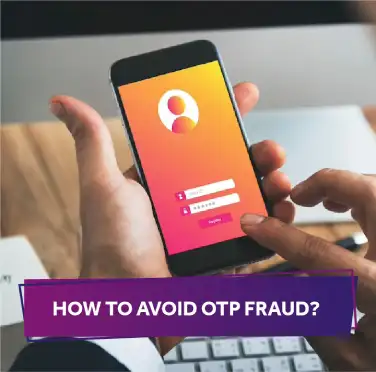
How to Avoid OTP Fraud?
Date: Oct 9, 2023 - Last Modified May 20, 2026


A good way to avoid OTP fraud is to refrain from sharing the one-time password with anyone. Even if someone posing as a bank asks for the OTP, you must not share it. Additionally, ensure that you verify calls and messages, do not click on suspicious links, and use official apps for transactions. Staying alert can help protect your accounts from cyber fraud.
This article explains how OTP fraud occurs, how it can be avoided and what steps you can take to prevent it.
Common Ways OTP Fraud Happens
OTPs (One-Time Passwords) have emerged as an important security step to avoid banking fraud. They have become popular owing to the rise of digital transactions. However, OTP-related fraud is also increasing, allowing scammers to gain unauthorised access to financial accounts.
An OTP scam can occur through multiple means. Fraudsters typically use the following methods to trick individuals:
Panic-Driven Messages/Calls
Scammers often scare individuals with an emergency. For instance, they may claim that the receiver’s card will be blocked, that they have noticed a suspicious transaction, or that the receiver’s account is about to be suspended. Under pressure, individuals may act quickly and fall prey to the scam.
Misleading Instructions
Some fraudsters mask the OTP as a code for identity confirmation or for transaction cancellation. To the victim, this may seem like a chance to protect their account, but in reality, it is a fraud approval.
Fraud Links or Websites
Individuals may be sent links that appear professional and convincing. These may contain some personal information of the recipient. Any actions taken on this fraudulent website may result in the scammer obtaining important details.
Pretending to be Trustworthy
Some scammers may sound convincing and professional. They may have access to some of the potential victims' personal information. This may make it easy for them to build trust and serve as an enticing way to ensure compliance.
Control Without Knowledge
At times, scammers may not contact the potential victim directly. They may instead take control of the SIM card or install harmful applications on the device. This can allow them to access OTPs directly.
How to Avoid OTP Fraud?
To reduce the chances of OTP fraud, you can protect your financial transactions and maintain safe banking practices. The following are some tips to do the same:
Enable Multi-Factor Authentication (MFA)
MFA includes two or more forms of verification to access accounts. When enabled, even if the OTP is compromised, additional security levels can still provide protection.
Maintain Privacy
Avoid sharing debit and credit card PINs or OTPs with anyone. Ensure that you do not write your PIN anywhere or share OTPs over phone calls. You can instead complete such transactions yourself.
Use Official Channels
When you want to connect with your financial provider, use only official channels. Contact only official email addresses. Ensure that, even when communicating with your bank, you do not disclose sensitive information such as your PAN or OTP.
Check Apps
Make it a habit to go through your phone to check which apps are installed. Ensure that suspicious-looking apps have not been installed. Such apps can collect sensitive information.
Monitor Alerts
Ensure you set up SMS or app notifications for all transactions. Check these alerts and if you notice any unusual activity, report it immediately.
What to Do If You Share OTP by Mistake?
If an OTP has been shared with an unauthorised source, there could be a possibility of OTP theft. In such cases, these measures can be taken:
- Change all passwords related to the compromised bank account and any related accounts.
- Contact the bank to report the incident.
- Block or freeze the bank account if necessary.
- Keep track of your financial statements closely.
If necessary, you can seek assistance from police authorities.
In addition to these steps, it is important to act quickly and remain cautious after accidentally sharing an OTP. Fraudsters may attempt to misuse personal or banking information immediately after gaining access to the OTP. Individuals should avoid clicking on suspicious links, responding to unknown calls, or sharing further details such as CVV numbers, PINs, passwords, or account information. It is also advisable to enable transaction alerts through SMS or mobile banking applications to monitor any unauthorised activity in real time. If any unfamiliar transaction is noticed, it should be reported to the bank without delay.
People should also remember that banks, RBI officials, or authorised financial institutions generally do not ask customers to share OTPs, PINs, or passwords over phone calls, emails, or messages. Staying alert while using digital banking services and verifying the authenticity of websites, mobile applications, and callers can help reduce the risk of financial fraud. Taking preventive measures and responding promptly can support better protection of banking and personal information.
What to Do If One Is Scammed?
If an OTP has already been shared or an unauthorised transaction is suspected, individuals can immediately contact their bank’s customer service to temporarily freeze the account or block the card, if required. They may also report the incident through the official Indian Cyber Crime Coordination Centre portal or relevant cybercrime helpline services.
As a precautionary measure, changing banking passwords, UPI PINs, and related account credentials can help improve account security. Individuals should also continue monitoring their bank statements and transaction alerts for any unusual activity.
Legal Protection Against OTP Fraud
In case of OTP fraud, individuals can file a complaint via the Cyber Crime Reporting Portal or contact the cybercrime helpline. Fraud can attract penalties under the Information Technology Act, 2000, as it includes unauthorised access to digital systems.
Get Cybersecurity Insurance for Ultimate Protection
Knowing how to avoid cyberfraud can be beneficial. However, for further protection, you can invest in cyber insurance to get financial support during such difficult situations.
SBI General Insurance offers cyber insurance with comprehensive protection against a range of cyber threats in an evolving digital landscape.
FAQs
1. How to stay safe from OTP phishing?
Never share your OTP with anyone, even if they claim to be from your bank or a trusted company. Avoid clicking suspicious links and enable two-factor authentication where possible.
2. How can I verify if an email/SMS requesting an OTP is genuine?
Check the sender’s details carefully and verify whether you initiated the transaction yourself. Genuine institutions usually state that OTPs should never be shared with anyone.
3. Can I use the same OTP for multiple transactions?
No. OTPs are usually valid for only one transaction or login session and expire after a short period.
4. What should I do if I receive a suspicious call/message requesting an OTP?
Do not share the OTP, click links, or provide personal details. Report the message to your bank or service provider and block the sender if necessary.
5. Can scammers access my account just by knowing my OTP?
In many cases, yes. If scammers also have your login credentials or card details, an OTP may allow them to complete unauthorised transactions or access accounts.
This blog is intended solely for educational and informational purposes. Content reflects data at time of publication and may not accurately reflect current premiums, terms, or regulations. Readers are encouraged to confirm the accuracy and relevance of the data before making any significant decisions. SBI General Insurance disclaims responsibility for any errors or consequences arising from the use of outdated information provided herein. For more details, please refer to the policy wordings and prospectus before concluding the sales. *Add-ons are subject to payment of additional premium.
Access and manage all your Insurance Needs in one place, right at your Fingertips.



4/5*
Access and manage all your Insurance Needs in one place, right at your Fingertips.


Vision
Our vision is to become the most trusted general insurer for a transforming India.
Mission
Our mission is to provide simple and innovative general insurance solutions, be responsive to our customers' needs and build a sustainable business for the future.
We're socially active!