


 Contact Us


 Other Insurance
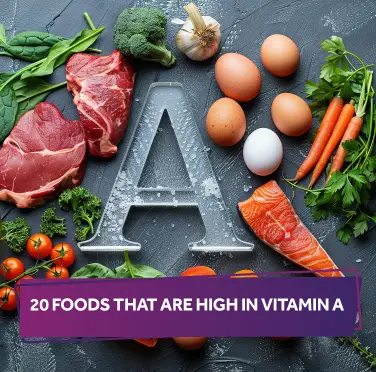
Foods High in Vitamin A: A Guide to Boosting Health Through Diet
Date: Dec 13, 2024 - Last Modified May 19, 2026


Given its essential functions, intake of foods rich in vitamin A is crucial for clear vision, stronger immunity and healthy skin. Including a mix of plant and animal sources in your daily diet can help you meet your nutritional needs in a simple and effective way. This article explores the best ways to do so.
What Is Vitamin A?
Vitamin A is essential for several physiological processes. It is found in animal-based foods, such as retinol, and in plant-based foods, such as beta-carotene, which the body converts to vitamin A.
Recommended daily intake levels differ based on age and gender. Adult men and women require approximately 600 micrograms (mcg) of vitamin A daily, according to dietary requirements in India. Pregnant and breastfeeding women generally require higher amounts to support foetal and infant development, between 800 and 950 mcg daily.
Role of Vitamin A in Health
Vitamin A is associated with various health benefits, from antioxidant protection to immunity. Below are some of its primary roles:
1. Antioxidant Protection:
As an antioxidant, vitamin A helps prevent cellular damage from free radicals, which can lead to chronic diseases and ageing.
2. Immunity:
Vitamin A is crucial for maintaining immune function and enhancing the body’s response to infections.
3. Eye Health:
Known for promoting good vision, vitamin A helps prevent night blindness and age-related vision problems.
4. Skin Health:
Vitamin A supports skin health by promoting cell growth, reducing wrinkles, and addressing acne concerns.
5. Organ Functioning:
It aids in the proper functioning of the heart, lungs, and kidneys.
6. Reproductive Health:
Vitamin A plays a role in reproductive health and foetal development, making it essential for pregnant women.
7. Foetal Development:
It is critical for foetal tissue and organ development during pregnancy.
8. Teeth and Gums:
It contributes to healthy teeth and gums, supporting oral health.
Also Read: 6 Key Pregnancy Care Tips You Should Know
Animal Foods High in Vitamin A
Animal-based foods are an excellent source of preformed vitamin A, which is easily absorbed by the body. Here is a vitamin A foods chart showcasing some common animal-based foods rich in vitamin A.
| Name | Particulars |
| Chicken or mutton liver | Extremely rich in vitamin A; 100 grams provide more than 6 times the daily requirement |
| Cod Liver Oil | A tablespoon provides up to 4,500 mcg of vitamin A |
| Dairy Products (Milk, Cheese, Butter) | Source of vitamin A in moderate amounts, especially whole milk products |
| Eggs | Egg yolks contain around 381 mcg per 100 grams |
| Fish | Fatty fish is a good source of vitamin A, particularly retinol. |
| Shellfish | Provides moderate amounts of vitamin A, along with other essential nutrients. |
Vegetables High in Vitamin A
Vegetables, particularly those that are orange, yellow, or dark green, are rich in carotenoids, which the body can convert to vitamin A. Here is a chart that lists vegetables that are high in vitamin A.
| Name | Particulars |
| Sweet Potato | Contains around 1400 mcg per medium potato, providing well over the daily recommended intake |
| Spinach | One cup cooked provides approx. 943 mcg |
| Kale | A cup cooked provides approximately 943 mcg |
| Red Bell Pepper | Provides about 140 mcg per 100 grams |
| Butternut Squash | Offers around 1,000 mcg per cup |
| Collard Greens | Contains 770 mcg per cooked cup |
| Swiss Chard | A good source, with 300 mcg per cup. |
Fruits High in Vitamin A
Certain fruits, especially those with orange or yellow pigmentation, are rich in beta-carotene and contribute to daily vitamin A intake.
| Name | Particulars |
| Mango | Contains about 54 mcg of vitamin A per 100 gms. |
| Cantaloupe | A cup of diced cantaloupe provides 270 mcg. |
Signs of Vitamin A Deficiency and Toxicity
Vitamin A deficiency remains a public-health concern in some populations and regions in India. It often leads to symptoms like night blindness, dry skin, poor immune response, and growth delays in children. Severe vitamin A deficiency can cause complete blindness and increase the risk of infections. Here are a few signs and symptoms of vitamin A deficiency:
- Irregular white deposits in the eyes
- Delayed Growth (in children)
- Infertility
- Infections
- Night Blindness
- Lack of quick healing of wounds
If these signs are observed, it is recommended to take the required tests and get medications from a doctor.
On the other hand, excess vitamin A, primarily from supplements, can lead to toxicity. Symptoms include dizziness, nausea, and even liver damage in severe cases. It’s essential to balance vitamin A intake and avoid excessive supplementation.
Daily Recommended Intake of Vitamin A
Vitamin A needs vary by age, gender and life stage. For most adults, a balanced intake from both plant and animal sources is ideal. Following general guidelines (like ICMR/WHO) helps maintain healthy vision, skin and immunity without risking excess intake.
Recommended Intake for Adults
Adults in India typically need around 600-800 mcg of Vitamin A per day, while pregnant and breastfeeding women need up to about 950 mcg. This can come from foods like carrots, spinach, dairy and eggs. A varied diet usually meets these needs without supplements.
Intake requirements may differ on the basis of the individual’s health, their body type, any medical conditions they have, and other subjective factors.
Requirements for Children and Pregnant Women
Children need smaller amounts, depending on age, while pregnant and breastfeeding women require slightly higher intake to support growth and development. Including natural sources like leafy greens, fruits and dairy helps meet these needs safely.
How to Include Vitamin A Foods in Your Daily Diet?
Adding vitamin A to your daily meals is easier than it sounds. Small, simple changes like choosing spinach instead of lettuce or snacking on carrots can gradually add up and make a real difference to your health.
Simple Meal Ideas
Start your day with a vegetable omelette or a smoothie with mango and carrots. Add spinach or sweet potatoes to lunch and include pumpkin or leafy greens in dinner. Even small habits, like snacking on papaya, help boost intake naturally.
Balanced Diet Approach
Rather than relying on just one food, try to mix things up. Pair colourful veggies like carrots and spinach with a little healthy fat, such as nuts or a drizzle of oil, to help your body absorb the nutrients better. Eating a balanced, varied plate makes it easier to get enough vitamin A without overdoing it.
Vitamin A for Specific Health Benefits
Vitamin A plays a quiet but important role in how your body functions, from helping you see clearly to keeping your immune system strong. When you get enough through your diet, you may start noticing small but meaningful improvements in how you feel overall.
Vitamin A for Eye Health
Vitamin A plays a key role in keeping your vision clear, especially when the light is low. Including foods like carrots, spinach and dairy in your meals can help reduce dryness and support night vision. Over time, many people find their eyes feel more comfortable and less strained.
Vitamin A for Skin and Hair
Vitamin A plays a quiet but important role in keeping your skin healthy and repairing everyday damage. Eating foods like sweet potatoes and leafy greens can help your skin feel smoother and less dry. Over time, it also supports stronger, healthier hair that looks and feels better.
Vitamin A for Immunity Support
Vitamin A plays a key role in strengthening the immune system. Regular intake helps the body fight infections more effectively. Including fruits and vegetables rich in this nutrient can support overall resilience and recovery.
Conclusion
Vitamin A is essential for overall health, supporting skin, vision, immune function, and reproductive health. By incorporating a variety of vitamin A sources such as liver, dairy, carrots, and leafy greens one can easily meet daily requirements and enjoy a balanced diet. To safeguard long-term health, consider monitoring your diet and explore a health insurance policy that promotes regular health check-ups and preventive care.
Note: This article is for informational purposes only and is not medical advice. Consult a qualified healthcare professional for diagnosis or treatment decisions.
Frequently Asked Questions
1. How can I increase my vitamin A?
To boost vitamin A intake, incorporate foods rich in both retinoids (from animal products) and carotenoids (from plants) into your diet. Add liver, dairy, carrots, and leafy greens to your meals regularly, as per your dietary preferences.
2. How do you increase vitamin A absorption?
Since vitamin A is fat-soluble, pairing it with healthy fats (such as olive oil or avocado) can enhance absorption. This helps the body more effectively utilise the nutrient.
3. What are the symptoms of low vitamin A?
Signs of vitamin A deficiency include night blindness, dry skin, increased risk of infections, and, in severe cases, complete blindness. Other symptoms may include delayed growth in children and poor wound healing.
4. What are the best sources of vitamin A in food?
Animal sources like liver, eggs and dairy provide active vitamin A (retinol). Plant sources like carrots, spinach, sweet potatoes and mangoes offer beta-carotene, which the body converts into vitamin A.
5. How much vitamin A should I consume daily?
Most adults need 600–950 mcg RAE (Retinol Activity Equivalents) daily. This can usually be met through a balanced diet without supplements.
6. What happens if you have low vitamin A levels?
Deficiency can lead to night blindness, dry eyes, rough skin and weakened immunity. In severe cases, it may affect growth and overall health.
7. Can too much vitamin A be harmful?
Yes. Excess intake, especially from supplements, can cause headaches, nausea, and even liver issues. It is best to rely on natural food sources and stay within recommended limits.
8. Are plant sources of vitamin A as effective as animal sources?
Plant sources provide beta-carotene, which the body converts into vitamin A. While effective, the conversion rate varies, so a mix of both sources is ideal.
9. Which foods are rich in beta-carotene?
Carrots, sweet potatoes, spinach, kale, pumpkin and mangoes are excellent sources. Their bright orange and green colours often indicate high beta-carotene content.
10. How can I improve vitamin A absorption in my diet?
Pair vitamin A-rich foods with healthy fats like nuts, seeds or cooking oils. For example, sautéing spinach in a little oil helps your body absorb more nutrients effectively.
This blog is intended solely for educational and informational purposes. Content reflects data at time of publication and may not accurately reflect current premiums, terms, or regulations. Readers are encouraged to confirm the accuracy and relevance of the data before making any significant decisions. SBI General Insurance disclaims responsibility for any errors or consequences arising from the use of outdated information provided herein. For more details, please refer to the policy wordings and prospectus before concluding the sales. *Add-ons are subject to payment of additional premium.
Access and manage all your Insurance Needs in one place, right at your Fingertips.




4/5*
Access and manage all your Insurance Needs in one place, right at your Fingertips.



Vision
Our vision is to become the most trusted general insurer for a transforming India.
Mission
Our mission is to provide simple and innovative general insurance solutions, be responsive to our customers' needs and build a sustainable business for the future.
We're socially active!