


 Contact Us


 Other Insurance
Beetroot Juice Side Effects
Date: Jun 22, 2026 - Last Modified Jun 22, 2026


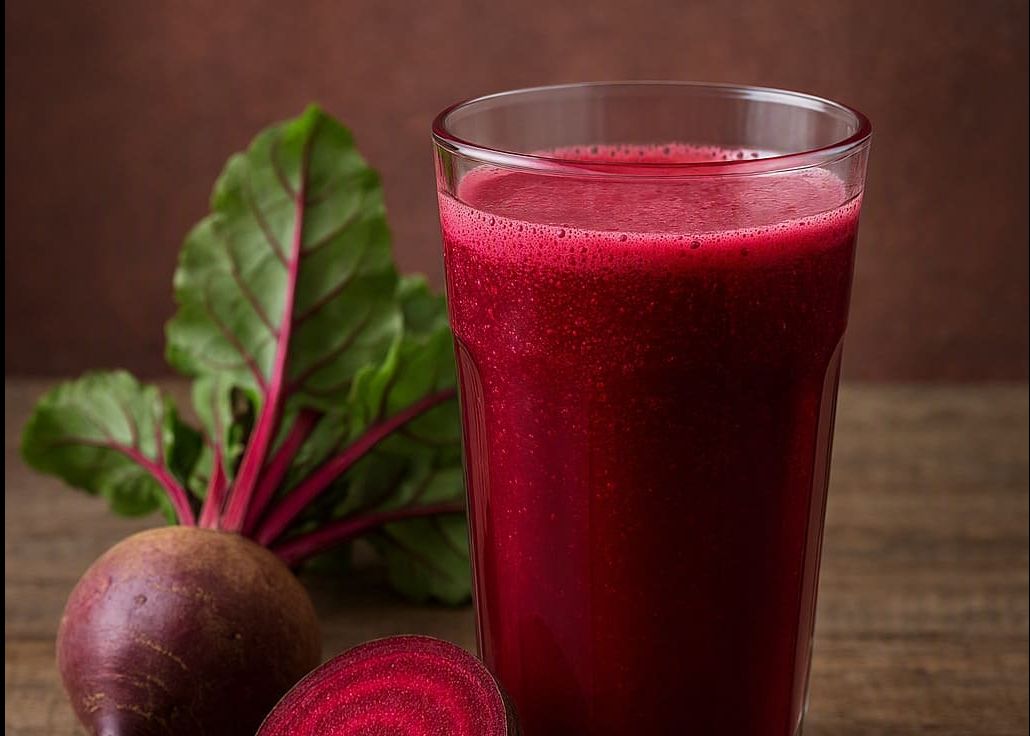
Beetroot is widely cultivated in Europe, America, and Asia. It is also known as red beet, table beet, and garden beet. It has become popular among health-conscious individuals due to its rich nutrient profile and compounds like nitrates, antioxidants, vitamins, and minerals. It is often consumed to support cardiovascular health, improve stamina and blood pressure, boost athletic performance, and enhance overall well-being.
While there are several health advantages associated with beetroot juice, it is equally important to understand the potential beetroot juice side effects. These may arise if consumed in excessive amounts or by individuals with specific health conditions.
In this article, we will focus on the nutritional profile, potential side effects, precautions, and healthy dosage of beetroot.
Common Side Effects of Beetroot Juice
While there are several health benefits of beetroot juice, excessive consumption may cause many adverse effects. Here are some of the common beetroot juice side effects:
Change in the Colour of Urine and Stool
Drinking beetroot juice can impact the colour of urine and faeces, due to the natural pigments in the beets. Individuals may notice pink or purple urine, which is a common condition known as ‘beeturia’. The stools might be pink or purple. These colour changes are temporary and may not usually be a cause of concern.
May Cause Digestive Discomfort
Because of beetroot’s fibre content and natural compounds, some individuals may experience digestive symptoms after consuming large quantities of beetroot juice.
Possible symptoms may include:
Bloating
Gas
Stomach discomfort
Mild diarrhoea
Abdominal pain
These reactions may be more noticeable in individuals who are sensitive to high-fibre foods or who consume beetroot juice in excessive quantities.
Possible Drop in Blood Pressure
Beetroot juice can reduce blood pressure because of its high nitrate content, which may help dilate blood vessels and improve circulation. While it might be beneficial for individuals with high blood pressure (hypertension), it may be harmful for those who already have low blood pressure (hypotension).
People taking blood pressure medications should consult a healthcare professional before increasing beetroot juice consumption.
May Lead to Kidney Stone Concerns
Beetroot contains oxalates, naturally occurring compounds that may contribute to the formation of kidney stones in sensitive individuals. Those with a medical history of kidney stones may wish to seek medical guidance regarding appropriate consumption levels.
Understanding these pure beet juice side effects helps in managing intake and avoiding unnecessary discomfort.
Who Should Avoid Beetroot Juice?
Despite its reputation as a superfood, beetroot may not be suitable for everyone. Certain groups may need to exercise caution or seek medical advice before consuming it regularly.
Here’s a detailed look at who should be cautious when including beetroot in their diet:
Individuals with Low Blood Pressure
While beetroot juice may contribute to blood pressure reduction, people with naturally low blood pressure may need to monitor their intake carefully.
Individuals Prone to Kidney Stones
Individuals prone to the problem of kidney stones may need to limit their intake of beetroot due to its oxalate content, which contributes to the formation of calcium-oxalate kidney stones.
Individuals with Certain Medications
People using medications related to blood pressure, cardiovascular health, or kidney function should consult healthcare professionals before making major dietary changes involving beetroot juice.
Individuals with Diabetes
While beetroot is rich in fibre and has a relatively low Glycaemic Index (GI), it might still impact blood sugar levels if consumed excessively. Patients with diabetes or those managing their blood sugar levels should monitor their beetroot consumption and incorporate it into their diet under medical supervision.
Individuals with Digestive Sensitivities
Those who experience digestive discomfort after consuming high-fibre foods may wish to introduce beetroot juice gradually and observe their body's response.
People Using Concentrated Supplements
The potential beet root extract side effects associated with concentrated products may differ from those of fresh juice. This makes dosage awareness particularly important.
Maintaining long-term health also involves proactive financial planning for healthcare needs. Alongside healthy dietary habits, suitable health insurance coverage may help provide financial protection against unexpected medical expenses.
Tips to Consume Beetroot Juice Safely
To minimise the risk of beetroot juice side effects, it is important to consume it in moderation and follow simple precautions.
Begin with small quantities and gradually increase intake.
Avoid excessive consumption.
Pair beetroot juice with other foods to improve digestion.
Stay hydrated to support proper metabolism.
Monitor individual responses.
Moderate intake is typically considered safe for most individuals. Excessive consumption might increase the likelihood of experiencing beetroot benefits and side effects, especially in sensitive individuals.
Maintaining balance in diet and portion size ensures that beetroot juice can be included without causing unwanted reactions.
Conclusion
Beetroot juice can be a nourishing addition to a balanced diet when consumed in moderation. Understanding beetroot juice side effects and recognising individual tolerance levels helps ensure safe consumption. Being mindful of quantity and health conditions allows individuals to benefit from beetroot juice while minimising potential risks.
Taking care of health involves both healthy lifestyle choices and financial planning. A health insurance plan from SBI General Insurance can help individuals manage unforeseen medical expenses better.
Note: This article is for informational purposes only and is not medical advice. Consult a qualified healthcare professional for diagnosis or treatment decisions.
FAQs
1. What are the side effects of beetroot juice?
Common side effects of beetroot juice include red urine, digestive discomfort, and a possible drop in blood pressure.
2. Can beetroot juice lower blood pressure too much?
Yes, excessive intake may lower blood pressure significantly in some individuals.
3. Why does beetroot juice turn urine red?
This may happen due to natural pigments in beetroot and is usually harmless.
4. Who should avoid drinking beetroot juice?
People with low blood pressure, kidney stone history, or certain medical conditions should consult a doctor.
5. How much beetroot juice is safe per day?
Moderate intake is recommended, and quantity may vary depending on individual health conditions.
This blog is intended solely for educational and informational purposes. Content reflects data at time of publication and may not accurately reflect current premiums, terms, or regulations. Readers are encouraged to confirm the accuracy and relevance of the data before making any significant decisions. SBI General Insurance disclaims responsibility for any errors or consequences arising from the use of outdated information provided herein. For more details, please refer to the policy wordings and prospectus before concluding the sales. *Add-ons are subject to payment of additional premium.
Access and manage all your Insurance Needs in one place, right at your Fingertips.




4/5*
Access and manage all your Insurance Needs in one place, right at your Fingertips.



Vision
Our vision is to become the most trusted general insurer for a transforming India.
Mission
Our mission is to provide simple and innovative general insurance solutions, be responsive to our customers' needs and build a sustainable business for the future.
We're socially active!