


 Contact Us


 Other Insurance
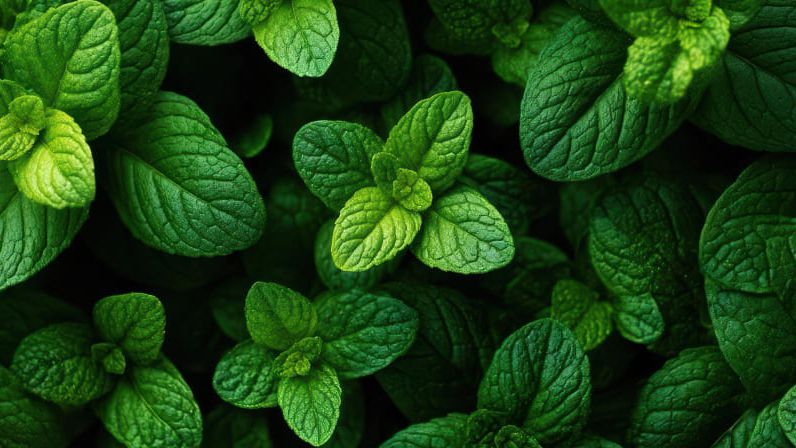
Benefits of Mint Leaves
Date: Jun 11, 2026 - Last Modified Jun 11, 2026


Mint leaves are common in Indian households because of their refreshing taste and cooling properties. They are usually added to chutneys, drinks, salads, curries, and herbal preparations. Fresh mint leaves are valued for their aroma and versatility in both traditional and modern cooking styles.
Many people include mint in their regular meals because it is easy to grow, simple to prepare, and suitable for a variety of recipes. Mint also contains natural compounds, vitamins, and antioxidants that promote balanced nutrition and improved health.
Health Benefits of Mint Leaves
Many people explore the health benefits of mint leaves while looking for simple additions to regular meals and beverages. Mint can be consumed fresh, blended, boiled, or mixed into different foods according to personal preference.
Here are some notable benefits of consuming mint leaves:
A Refreshing Addition to Daily Meals
Mint leaves are often added to meals because of their fresh taste and cooling effect. Many households also prepare mint chutney or mint water, especially during summer, as a refreshing addition to everyday meals.
Many people appreciate the advantages of mint leaves for the freshness they add to daily food and beverages.
May help maintain oral freshness
Mint is widely used in oral care products because of its strong aroma and cooling effect. Chewing fresh mint leaves or adding them to herbal drinks may help maintain a fresher mouth feel during the day.
Useful in balanced nutrition planning
Mint leaves contain small amounts of vitamins and antioxidants. This makes them a great addition to a balanced diet. Adding fresh herbs like mint to meals can also boost flavour naturally. It can reduce the need for heavily processed seasonings.
The advantages of eating mint leaves are commonly discussed in healthy meal planning because mint works well with fruits, vegetables, and light snacks. Practical daily examples include adding mint to buttermilk during summer, mixing it into salads, or preparing herbal tea during changing weather conditions.
Supports scalp and hair care routines
Mint is sometimes included in homemade hair masks and scalp care mixtures because of its cooling effect and fresh aroma. Many people use mint-based oils or herbal rinses in regular hair care practices.
The benefits of mint leaves for hair are often mentioned in natural beauty routines for scalp freshness and cleaner-looking hair.
Helps improve hydration habits
Mint leaves are commonly added to water, lemonade, and fruit drinks because they improve taste naturally. This may encourage people to drink more fluids during hot weather.
Can support lighter meal preparation
Mint is widely used in low-oil recipes, salads, and yoghurt-based dishes because it adds flavour without making meals heavy. Many households include mint in rice dishes and soups for added freshness and to make the most of the benefits of mint leaves.
The advantage of mint leaves also includes their flexibility in different cuisines and simple home recipes.
Included in natural wellness practices
Mint is often used in herbal drinks, cooling recipes, and steam preparations, particularly during seasonal changes. It also blends well with other ingredients like ginger, lemon, cucumber, and coriander. This makes it easy to include in a variety of home remedies and wellness recipes.
Used in beauty and self-care routines
Mint is sometimes mixed with natural ingredients such as curd, aloe vera, or rose water in homemade face and scalp preparations. It is often used in these DIY recipes because of its cooling and refreshing properties.
Ways to Use Mint Leaves Daily
One of the advantages of mint leaves is that they can be included in everyday meals in several simple ways. Here are some ways to include mint leaves:
Fresh mint chutney is one of the most common preparations in Indian households and pairs well with snacks and meals.
Mint can be added to lemonade, buttermilk, coconut water, green tea, and detox drinks.
Some people mix chopped mint into salads, sandwiches, wraps, and rice dishes for added flavour.
Mint leaves may be blended into yoghurt dips or fruit smoothies.
During summer, many households prepare mint water with cucumber and lemon for refreshing hydration.
Herbal tea prepared with mint, ginger, and tulsi is also popular during seasonal weather changes.
While maintaining healthy dietary habits is important, financial preparedness for medical needs is equally essential. Health insurance can help when you need it most. It provides support during unexpected medical situations, helping reduce the burden of high healthcare expenses. With the right coverage, you can focus on recovery without worrying about financial strain.
Side Effects and Precautions
Mint is usually safe for most people when consumed in moderation. However, excessive consumption may not suit everyone. It can cause discomfort in some cases. Therefore, it is important to be mindful of one’s health conditions and consume mint mindfully.
Excessive intake may cause acidity or heartburn in some individuals.
People with GERD may find that mint worsens their symptoms.
Those with mint allergies should avoid consuming it.
Note: Individuals with existing health conditions or allergies should consult a doctor before increasing their consumption of mint leaves.
Conclusion
Mint leaves are widely valued for their refreshing taste, versatility, and easy use in regular meals and drinks. They can be included in healthy eating routines through chutneys, beverages, salads, and herbal recipes. Understanding balanced dietary habits and using fresh ingredients regularly can support better lifestyle management and everyday wellness practices.
While small daily habits can improve well-being, having health insurance from SBI General Insurance can help you stay prepared for the unexpected.
Note: This article is for informational purposes only and is not medical advice. Consult a qualified healthcare professional for diagnosis or treatment decisions.
FAQs
1. What are the health benefits of mint leaves?
Mint leaves contain vitamins, antioxidants, and natural plant compounds that support balanced nutrition and refreshing food habits. They are commonly added to drinks, salads, chutneys, and herbal preparations in everyday meals.
Many people include mint in their diets because it helps improve meal freshness and food variety. Mint is also widely used in wellness-focused recipes and summer beverages.
2. Is mint good for digestion?
Mint is commonly used in traditional food preparations because of its refreshing taste and cooling properties. Many households include mint chutney or mint water after meals during warm weather.
Mint leaves are often added to buttermilk, herbal drinks, and light snacks to support comfortable eating habits and balanced meal routines in daily life.
3. Can mint leaves help with bad breath?
Mint leaves are known for their strong aroma and refreshing taste. Many oral care products use mint because it helps provide a cleaner and fresher mouth feel during the day.
Chewing fresh mint leaves or drinking mint-based herbal beverages is a common household practice for maintaining freshness after meals and daily activities.
4. How can I use mint leaves daily?
Mint leaves can be added to salads, sandwiches, chutneys, lemonade, green tea, smoothies, and yoghurt-based dishes. They are simple to prepare and suitable for regular household recipes.
Many people also prepare mint water, herbal tea, or mint rice during the summer months because mint blends easily with vegetables, fruits, and cooling beverages.
This blog is intended solely for educational and informational purposes. Content reflects data at time of publication and may not accurately reflect current premiums, terms, or regulations. Readers are encouraged to confirm the accuracy and relevance of the data before making any significant decisions. SBI General Insurance disclaims responsibility for any errors or consequences arising from the use of outdated information provided herein. For more details, please refer to the policy wordings and prospectus before concluding the sales. *Add-ons are subject to payment of additional premium.
Access and manage all your Insurance Needs in one place, right at your Fingertips.




4/5*
Access and manage all your Insurance Needs in one place, right at your Fingertips.



Vision
Our vision is to become the most trusted general insurer for a transforming India.
Mission
Our mission is to provide a seamless insurance experience to our customers, with a focus on accessibility, affordability, and accessibility.
We're socially active!