


 Contact Us


 Other Insurance
Health Benefits of Broccoli: Nutrition, Weight Loss & Immunity
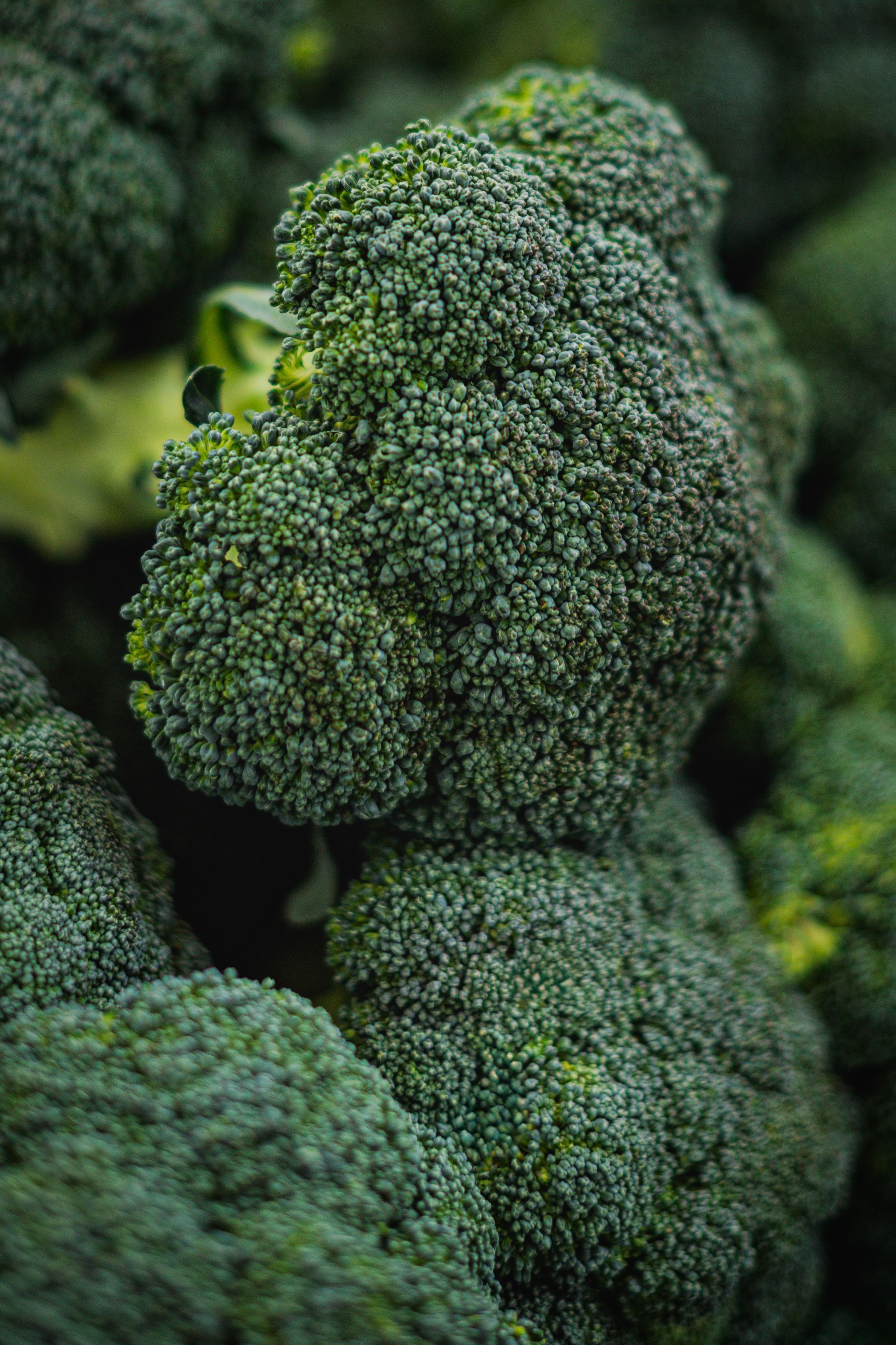
Date: Jun 30, 2026 - Last Modified Jun 30, 2026


Broccoli is a green vegetable that is widely included in balanced diets around the world. It belongs to the cruciferous vegetable family, which also includes cauliflower, cabbage, and kale. Known for its rich nutrient content and versatility, broccoli can be prepared in many ways and added to a variety of meals. Whether steamed, stir-fried, roasted, or added to soups and salads, broccoli offers a simple way to include more vegetables in everyday eating habits.
Understanding the various broccoli benefits and practical uses can help individuals make informed dietary choices.
Nutritional Profile of Broccoli
1 cup of broccoli (approximately 90 gm) generally contains:
Nutrient | Amount |
Calories | 35.1 kcal |
Protein | 2.31 g |
Carbohydrates | 5.64 g |
Fibre | 2.16 g |
Fat | 0.3 g |
Vitamin C | 82.2 mg |
Vitamin K | 91.8 mcg |
Folate | 58.5 mcg |
Note: Nutritional values may vary depending on the variety, freshness, and serving size of the food.
Health Benefits of Broccoli
Broccoli is often appreciated for its nutritional richness and versatility. Regular consumption as part of a balanced diet may contribute to overall wellness.
Some commonly discussed health benefits of broccoli include:
Supports digestive wellness
The fibre found in broccoli contributes to healthy digestion and supports normal bowel movement patterns. Including fibre-rich vegetables regularly can help improve overall dietary quality.
Supports bone health
Broccoli contains nutrients such as calcium and vitamin K, which are associated with maintaining normal bone structure and function.
Provides antioxidants
The vegetable contains several plant compounds that are widely studied for their antioxidant properties. These compounds contribute to the overall nutritional value of broccoli.
Easy to include in meals
One of the practical benefits of eating broccoli is its flexibility. It can be paired with rice, pasta, soups, sandwiches, and salads, making it suitable for different eating preferences.
Supports balanced nutrition
Broccoli provides several nutrients while remaining low in calories, making it a useful vegetable in a balanced eating plan.
Many nutrition-conscious individuals include broccoli alongside other healthy lifestyle choices, such as regular exercise and maintaining suitable health insurance coverage for long-term wellbeing planning.
Broccoli Benefits for Weight Loss
One of the most notable benefits of eating broccoli is its role in weight management. It is often included in weight loss meal plans because it is nutrient-dense and relatively low in calories. It provides fibre, which can contribute to a feeling of fullness when included as part of a balanced meal.
The fibre content may help individuals maintain portion control by supporting satiety. Broccoli also contains water, which adds volume to meals without significantly increasing calorie intake.
Broccoli Benefits for Immunity
A healthy immune system depends on several nutrients obtained through everyday food choices. Broccoli contains vitamin C, which contributes to the normal functioning of the immune system.
The vegetable also contains antioxidants and other plant compounds that support overall nutritional intake. When combined with fruits, vegetables, whole grains, and adequate hydration, broccoli can be part of a balanced dietary pattern.
Many households include broccoli during seasonal changes by preparing soups, vegetable dishes, or lightly steamed side portions. These simple preparations help preserve nutrients while making the vegetable enjoyable to consume.
Regular inclusion of nutrient-rich vegetables helps diversify the diet and ensures a broader intake of vitamins and minerals that contribute to overall wellness.
Best Ways to Eat Broccoli
Broccoli can be prepared in several ways depending on personal preference and meal requirements.
Steamed broccoli
Steaming is one of the simplest methods. It helps retain the vegetable's texture and natural flavour while preserving many nutrients.
Broccoli salad
Fresh broccoli florets can be combined with vegetables, nuts, and light dressings to create a nutritious salad.
Stir-fried broccoli
Broccoli works well in stir-fried dishes with vegetables, tofu, paneer, or lean protein sources.
Roasted broccoli
Roasting gives broccoli a slightly crisp texture and enhances its natural flavour. It can be seasoned with herbs and spices according to preference.
Broccoli soup
Blended broccoli soup offers a warm and comforting way to include vegetables in daily meals.
Broccoli in sandwiches and wraps
Finely chopped broccoli can be added to sandwiches, wraps, and vegetable fillings to increase nutrient content.
Broccoli with rice and grains
It can also be paired with brown rice, quinoa, millet, or other grains for balanced meal preparation.
Smoothies and vegetable blends
Some people add small portions of broccoli to vegetable smoothies along with fruits and leafy greens for additional nutrients.
By using different preparation methods, broccoli can easily become a regular part of varied and enjoyable meal plans.
Conclusion
Broccoli is one of those vegetables that packs a lot of nutrition into every bite. From fibre and vitamins to antioxidants, the benefits of broccoli for health are many, when included as part of a balanced diet. Whether you enjoy it in salads, stir-fries, soups, or as a simple side dish, adding broccoli to your meals can be an easy step towards healthier eating habits.
While healthy food choices are important, having health insurance can also help you stay prepared for unexpected medical expenses. SBI General Insurance offers health insurance plans that can support you and your family when healthcare needs arise.
Note: This article is for informational purposes only and is not medical advice. Consult a qualified healthcare professional for diagnosis or treatment decisions.
FAQs
1. What are the health benefits of broccoli?
Broccoli contains vitamins, minerals, fibre, and antioxidants that contribute to a balanced diet. It is commonly included in meal plans that focus on digestive wellness, bone health, and overall nutritional intake. Its vitamin C and vitamin K content also increase the benefits of broccoli for health, and make it a popular vegetable among people seeking nutrient-rich food choices.
2. Is broccoli good for weight loss?
Broccoli is naturally low in calories and contains dietary fibre, which can help increase the feeling of fullness when included in balanced meals. It is often added to salads, soups, and vegetable-based dishes as part of mindful eating habits and healthy lifestyle routines.
3. Can broccoli help boost immunity?
Broccoli contains vitamin C and other plant-based nutrients that support normal immune system function. When combined with a balanced diet, regular exercise, adequate sleep, and hydration, broccoli can contribute to overall nutritional support for everyday wellness.
4. Is it better to eat broccoli raw or cooked?
Both raw and cooked broccoli can be included in a healthy diet. Raw broccoli offers a crunchy texture and fresh taste, while steaming, roasting, or stir-frying can improve flavour and make it easier for some people to enjoy as part of regular meals.
This blog is intended solely for educational and informational purposes. Content reflects data at time of publication and may not accurately reflect current premiums, terms, or regulations. Readers are encouraged to confirm the accuracy and relevance of the data before making any significant decisions. SBI General Insurance disclaims responsibility for any errors or consequences arising from the use of outdated information provided herein. For more details, please refer to the policy wordings and prospectus before concluding the sales. *Add-ons are subject to payment of additional premium.
Access and manage all your Insurance Needs in one place, right at your Fingertips.




4/5*
Access and manage all your Insurance Needs in one place, right at your Fingertips.



Vision
Our vision is to become the most trusted general insurer for a transforming India.
Mission
Our mission is to provide simple and innovative general insurance solutions, be responsive to our customers' needs and build a sustainable business for the future.
We're socially active!