


 Contact Us


 Other Insurance
Benefits of Chamomile Tea: Sleep, Stress Relief and Health Advantages
Date: Jun 11, 2026 - Last Modified Jun 11, 2026


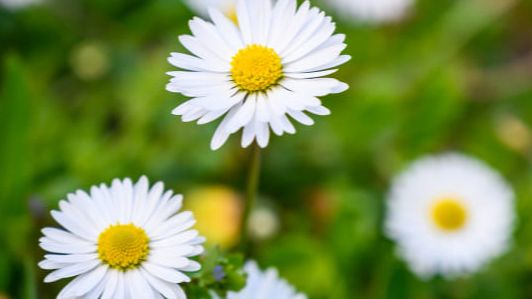
Chamomile is one of the oldest medicinal herbs known to mankind. There are two common varieties of chamomile that individuals usually use for tea: German Chamomile (Chamomilla recutita) and Roman Chamomile (Chamaemelum nobile). Chamomile plants produce small flowers, similar to daisies, that people can dry and steep in water to make tea. It also consists of many terpenoids and flavonoids, that contribute to its medicinal properties.
Today, chamomile tea continues to be a popular choice among individuals seeking natural ways to relax, unwind, and support overall well-being. It is soothing, and it offers several health benefits and healing properties. From sleep support to stress management, these benefits may help to reduce the risk of a variety of diseases.
Chamomile Tea Benefits for Overall Wellness
Chamomile tea contains small amounts of vitamins and minerals, though it is primarily valued for its bioactive plant compounds.
These natural plant compounds possess anti-inflammatory properties. They may help to promote antioxidant activity, protecting against inflammation and other types of cell damage.
The growing popularity of chamomile tea might be largely attributed to its potential wellness-supporting properties. While individual experiences may vary, several commonly discussed benefits have made it a preferred herbal beverage.
Here is a look at the chamomile tea benefits in detail:
May Help During PMS Discomfort
Certain studies suggest that chamomile tea can lower discomfort during pre-menstrual syndrome. It can soothe menstrual cramping. Additionally, the anti-anxiety, antihistamine, anti-inflammatory, antioxidant, and antispasmodic properties present in chamomile may help reduce anxiety and period pain associated with period pain.
Digestive Comfort
Traditionally, chamomile tea has been used to support digestive wellness. It might be beneficial for the digestive system as it helps soothe the stomach and alleviate gastrointestinal discomfort. Some individuals consume it after meals to experience digestive comfort and reduce bloating.
May Help Regulate Blood Sugar Levels
Drinking chamomile tea may help to keep blood sugar in control. While it may not be a substitute for conventional medications and treatments, incorporating it in the diet might help individuals with diabetes to reduce blood sugar. Chamomile contains an antioxidant called quercetin, which impacts certain enzymes that are part of the diabetic response.
May Benefit Heart Health
Certain antioxidants in chamomile tea, like flavonoids, may help to support heart health by lowering the risk of heart disease. According to research, the flavonoid is most strongly associated with lower coronary heart disease mortality. Drinking chamomile tea may also help to maintain healthy blood pressure levels by helping to lower stress, promote sleep, and relax blood vessels and arteries.
May Help Soothe Irritated Skin
The anti-inflammatory, anti-allergy, and antimicrobial properties present in chamomile tea is useful for repairing sensitive skin, eliminating acne, and boosting skin hydration. Therefore, it can be integrated safely as an ingredient for skin care products. However, individuals should seek advice from a certified dermatologist before using it on a wider area or treating a skin ailment.
Caffeine-Free Alternative
Unlike coffee or traditional tea, chamomile tea is naturally caffeine-free. This makes it a great option for those wanting to reduce their caffeine intake, while still enjoying a hot beverage.
Note: The above-mentioned effects may vary among individuals. Some may experience noticeable relaxation, while others may find mild benefits over time. It might be suggested for pregnant people or those with allergies to avoid chamomile tea.
Along with good nutrition, suitable health insurance coverage is vital. Health insurance plans can help offer financial protection against unexpected medical expenses and support long-term health planning.
Does Chamomile Tea Improve Sleep Quality?
When discussing chamomile tea, sleep and relaxation are often among the first benefits that come to mind. Its calming properties make it a popular choice for many people looking to unwind at the end of the day.
Chamomile tea is considered to be a mild sedative or tranquilizer, which can help relax the nervous system and promote sleep. This has led to growing interest in the relationship between chamomile tea and sleep.
Chamomile consists of a flavonoid called apigenin, which causes a sedative effect. It may help people promote better sleeping habits, reduce insomnia, and the chronic inability to sleep. Chamomile tea may also help improve sleep in women during menopause and after pregnancy.
However, it is important to understand that chamomile tea does not act as a medical treatment for sleep disorders. It may support relaxation when combined with healthy sleep practices.
Chamomile Tea for Anxiety and Stress Relief
Modern lifestyles often expose individuals to daily stress and mental fatigue. As a result, many people seek simple routines that encourage relaxation and emotional balance.
A commonly discussed advantage of chamomile tea is its potential role in promoting a sense of calm. The warm beverage ritual itself may help individuals slow down, unwind, and create a relaxing moment during the day.
Along with a positive impact on sleep, the plant flavonoid known as epigenin in chamomile tea may help to improve symptoms in people with mild to moderate generalised anxiety disorder and stress-related sleep problems. Clinical studies have also found that its long-term effects are safe and well-tolerated in most healthy adults, and it may modestly reduce anxiety symptoms over time.
It is important to remember that while chamomile tea may support relaxation, it is not as strong as a prescription medication. Individuals are suggested to seek professional guidance for managing anxiety or stress-related conditions.
Best Time to Drink Chamomile Tea
There is no fixed rule on when to drink chamomile tea. However, many people prefer having it at:
Evening or bedtime: Commonly preferred to support relaxation.
After meals: May help with digestive comfort.
During stress: Can be consumed when relaxation is needed.
Many people enjoy a cup of chamomile tea in the evening as a way to slow down after a busy day. Taking a few quiet moments to sip the tea, step away from screens, and unwind can make it a comforting part of a bedtime routine. Having it regularly may help create a sense of relaxation before sleep.
Conclusion
Chamomile tea can be a calming addition to a daily routine when consumed in moderation. Understanding its uses, timing, and potential effects helps individuals include it thoughtfully as part of a balanced lifestyle.
While focusing on everyday wellness habits such as mindful nutrition and healthy routines, having the right health insurance from SBI General Insurance can also help provide financial support during unexpected medical situations.
Note: This article is for informational purposes only and is not medical advice. Consult a qualified healthcare professional for diagnosis or treatment decisions.
FAQs
1. What are the benefits of chamomile tea?
Some chamomile tea benefits include potential support for anxiety, relaxation, digestion, and overall well-being.
2. Does chamomile tea help with sleep?
Yes, chamomile tea and sleep are often linked, as it may help promote relaxation before bedtime.
3. Can chamomile tea reduce anxiety and stress?
It may help support relaxation, but it should not replace professional medical advice.
4. Are there any side effects of chamomile tea?
Most people tolerate it well, but individuals with allergies or specific conditions may consult a healthcare professional.
5. When is the best time to drink chamomile tea?
Evening or bedtime is commonly preferred for its calming effect.
This blog is intended solely for educational and informational purposes. Content reflects data at time of publication and may not accurately reflect current premiums, terms, or regulations. Readers are encouraged to confirm the accuracy and relevance of the data before making any significant decisions. SBI General Insurance disclaims responsibility for any errors or consequences arising from the use of outdated information provided herein. For more details, please refer to the policy wordings and prospectus before concluding the sales. *Add-ons are subject to payment of additional premium.
Access and manage all your Insurance Needs in one place, right at your Fingertips.




4/5*
Access and manage all your Insurance Needs in one place, right at your Fingertips.



Vision
Our vision is to become the most trusted general insurer for a transforming India.
Mission
Our mission is to provide a seamless insurance experience to our customers, with a focus on accessibility, affordability, and accessibility.
We're socially active!