


 Contact Us



 Other Insurance
Benefits of Alum (Fitkari) - Skincare Uses and Precautions
Date: Oct 5, 2026 - Last Modified Oct 5, 2026


Once a familiar sight in Indian households, alum is finding its way back into conversations around skincare and personal grooming. Commonly known as fitkari or phitkari in Hindi and sphatika in Sanskrit, alum is a crystalline mineral compound. One of its most familiar forms is potash alum, or potassium aluminium sulphate. While alum occurs naturally in minerals such as alunite, much of what is available today is commercially produced.
Fitkari has traditionally been used for several external and household purposes. Its astringent properties explain its use in grooming and after shaving, while its coagulating properties have made it useful in water-treatment processes. But with fitkari benefits for skin receiving renewed attention, it is worth separating its traditional uses from the benefits that are actually supported by evidence.
Leading Traditional Uses of Alum
Some of the better-known traditional uses of alum include:
After Shave: Alum blocks have traditionally been applied to minor shaving nicks and used as part of post-shave care.
Personal Grooming: Its astringent properties are behind several traditional uses on the skin, which we discuss in more detail below.
Body Odour: Potassium alum is used in some crystal deodorants and personal-care products.
Scalp Care: Fitkari has traditionally been included in some scalp and hair-care practices, although evidence for treating conditions such as dandruff is limited.
Water Clarification: Alum can help suspended particles in cloudy water clump together and settle, although this alone does not make contaminated water safe to drink.
Traditional Medicine: Alum, known as sphatika, also appears in traditional Ayurvedic practices, where its preparation and use may differ from ordinary household fitkari.
Skin Benefits of Alum
Fitkari has been part of traditional skincare routines for a long time, largely because of its astringent properties. Here are some of the commonly discussed fitkari benefits for skin:
1. May Temporarily Make the Skin Feel Firmer
One of the most noticeable effects of alum is the tight feeling it can leave on the skin. This happens because of its astringent action on surface tissues. The effect is temporary, however, and does not mean that alum permanently tightens loose skin or changes its underlying structure.
2. May Reduce the Appearance of Oiliness
People with oily skin may notice that alum leaves the skin feeling less greasy. Its astringent effect can remove some surface oil and create a drier feel. This is one reason fitkari benefits for skin are often discussed in relation to oily skin. Using it too frequently, however, may leave the skin excessively dry or irritated.
3. May Make Pores Look Less Noticeable Temporarily
Alum is often described as a “pore-tightening” ingredient, but it does not actually shrink pores. As an astringent, alum interacts with proteins on the skin's surface, causing the tissue to contract temporarily. This can make the skin feel tighter and smoother, so enlarged pores may appear less noticeable for a short time. Once the astringent effect wears off, the skin returns to its usual state.
4. May Have Deodorising Value on the Skin
Potassium alum is used in some mineral and crystal deodorants. Rather than blocking sweat in the same way as conventional antiperspirants, these products are intended to make conditions on the skin less favourable for the bacteria involved in producing body odour. This mainly applies to underarm skin rather than facial skincare.
5. May be Useful in Post-Shave Skin Care
Freshly shaved skin can sometimes feel irritated, particularly after a close shave. Alum has traditionally been used as part of post-shave care because of its astringent properties. When applied to a minor shaving nick, it causes the surface tissue to contract temporarily, which may help slow small amounts of bleeding. However, alum can sting and may leave sensitive or dry skin feeling irritated, so it should not be used on deep cuts or significantly damaged or dry skin.
6. May Help Keep the Skin Clean
Alum has properties that may help limit the growth of certain bacteria on the skin. This is one reason it has been traditionally used in personal care and grooming. However, this does not mean that fitkari can treat acne, fungal infections or other skin conditions. If an individual has any persistent skin concern, it is best they consult a dermatologist.
Note: Most of these fitkari benefits come from the traditional use of alum on the skin, and results may differ from person to person. Fitkari can also leave some people with dry or irritated skin, especially if their skin is sensitive. If an individual has any existing skin condition, it’s best to check with a dermatologist before using it.
Key Facts About Alum
When it comes to alum, there is more to it than what meets the eye. Here are some key facts about alum:
Alum is not just one substance: The word “alum” refers to a group of double sulphate salts. Potassium alum is one of the most commonly known types.
It has been used for centuries: Alum has a long history of use in traditional practices, including textile dyeing, water treatment and personal care.
It helps dyes stick to fabric: Alum works as a mordant in textile dyeing, helping certain dyes bind more effectively to fibres and produce longer-lasting colours.
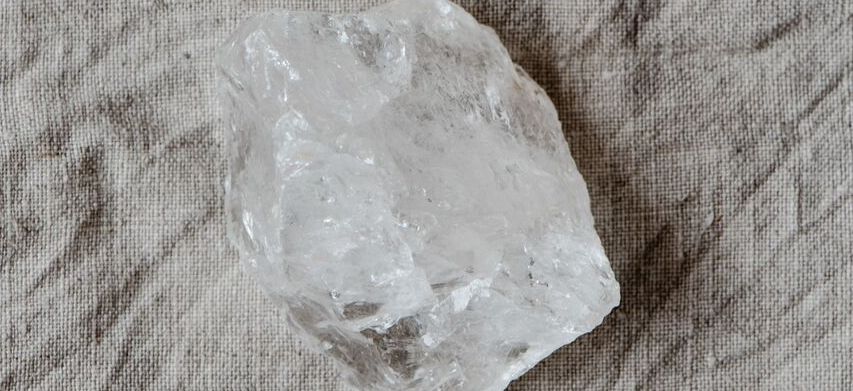
Those smooth alum blocks are crystals: The familiar translucent alum stone is crystalline in nature. Alum can even be grown into large, well-defined crystals under controlled conditions.
Precautions to Take When Using Alum
Although fitkari is commonly used externally and for household purposes, it can still cause irritation if used incorrectly. Keep these precautions in mind when using alum for skincare or otherwise:
- Do not swallow alum or use household fitkari as a supplement or home remedy for internal use.
- Avoid applying it to burns, deep cuts, large open wounds or raw skin. Its traditional use for minor shaving nicks should not be extended to larger wounds.
- Avoid the eyes and other sensitive areas. If alum gets into the eyes, rinse thoroughly with clean water.
- Use it sparingly on the face. Frequent application may leave the skin dry, tight or irritated, particularly if one already has dry or sensitive skin.
- Patch-test it first. Try a small amount on an area of skin and watch for irritation before applying it more widely.
- Stop using it if one develops persistent redness, itching, burning, swelling or any other skin reaction.
- Don't share an alum block used directly on the skin, particularly if it has come into contact with shaving nicks or small open wounds.
- Keep alum and alum powder away from young children and avoid letting them handle or accidentally swallow it.
- Avoid breathing in alum powder or getting it inside the eyes.
- Pregnant or breastfeeding women should check with a healthcare professional before using alum medicinally or extensively.
Don't assume alum-treated water is safe to drink. Alum can help suspended particles settle, but clarification alone does not remove all disease-causing microorganisms or make contaminated water safe for consumption.
How to Store Alum?
Alum is best kept in a cool, dry place away from moisture. Whether one has it as a block, crystal or powder, store it in a clean, tightly closed container. If using an alum block with water, let it dry completely before putting it away. Storing it while it’s still wet can gradually cause the block to soften, dissolve or lose its shape.
Keep alum separate from food and out of the reach of children. It is also a good idea to label the container clearly so that it is not mistaken for another household product. If the alum becomes contaminated, develops an unusual appearance or smell, or if one is unsure whether it is still suitable for use, it is better to discard it.
Side Effects of Alum
Although alum can be used without issues by many, some individuals can experience unwanted side effects. These may include:
Dryness and Tightness: Alum's astringent properties can leave the skin feeling dry or tight, while some individuals may also notice flaking with repeated external use.
Stinging or Burning: Alum may cause a stinging or burning sensation when it comes in contact with damaged, chafed or already irritated skin.
Skin Irritation: Some individuals can experience redness, itching or other signs of irritation after applying this mineral.
Allergic Skin Reaction: Sensitivity to alum may cause symptoms like itching, redness, small blisters, or a spreading rash. This makes a patch test important.
Gastrointestinal Issues: Alum is only for external use; one should never swallow alum in any form. Swallowing alum can cause gastrointestinal issues such as nausea, vomiting, stomach pain and diarrhoea, while greater exposure can have more serious consequences.
Aluminium Accumulation: Reduced kidney function can affect the body's ability to clear aluminium, making repeated or significant exposure a particular concern for individuals with kidney disease.
Disclaimer: Consult a qualified medical practitioner if one experiences consistent side effects or has any concerns about using alum.
Importance of Health Insurance
Home remedies and everyday self-care may be useful for minor concerns, but they cannot take the place of medical care when a health problem needs professional attention. A skin reaction, infection or seemingly minor concern can sometimes require a doctor’s consultation, tests or further treatment.
For those who prefer traditional or alternative forms of treatment, AYUSH treatment cover can also be worth considering when choosing a health insurance plan. SBI General Health Alpha by SBI General Insurance, for instance, covers inpatient treatment under Ayurveda, Yoga, Naturopathy, Unani, Siddha and Homeopathy when taken at an AYUSH Hospital or Day Care Centre. Policyholders can also track their health insurance policy on the go and receive 24x7 customer support via the SBI General Insurance App. This convenience extends to hospitalisation as well, with the option to avail cashless treatment for eligible expenses at SBI General Insurance’s network hospitals.
Disclaimer: Coverage, benefits and features may vary depending on the policy chosen and are subject to applicable terms, conditions, exclusions, waiting periods and limits. Please refer to the policy wording and related documents for complete information before purchasing.
Conclusion
Fitkari may be a simple household mineral, but its long-standing use in grooming, skincare and everyday household practices explains why it continues to attract attention today. Many of the commonly discussed fitkari benefits, particularly those related to the skin, come from its astringent properties and traditional use rather than strong clinical evidence.
If one chooses to use alum, keep expectations realistic and use it with care. What works well for one person may leave another with dryness or irritation, especially when applied to the face. Ultimately, fitkari is best viewed as a traditional multipurpose product rather than a remedy for specific health or skin conditions.
FAQs
1. What is alum and what is it made of?
Alum is a crystalline mineral compound. Potash alum is potassium aluminium sulphate dodecahydrate and contains potassium ions, aluminium ions, sulphate ions and water of crystallisation.
2. What are the traditional uses of alum?
Alum is traditionally used externally for shaving nicks, grooming, deodorising and managing hardened skin. It is also used as a household coagulant to help suspended particles settle when clarifying cloudy water.
3. Can alum be used on the skin?
The commonly discussed benefits of fitkari on face mainly come from its astringent properties. When applied to the skin, it may temporarily make the skin feel tighter, reduce oiliness and make pores appear less noticeable. However, these effects are temporary, and fitkari should not be considered a treatment for acne, pigmentation or other skin conditions. It can also cause dryness or irritation, particularly on sensitive skin.
4. Is alum safe to consume?
No. Household alum should not be swallowed and is not a dietary supplement. If alum is being considered as part of a traditional Ayurvedic therapeutic preparation, it should only be used as advised by an Ayurvedic practitioner.
5. How is alum used to purify water?
Alum helps suspended particles in cloudy water bind together into larger clumps that can settle. This clarifies the water, but clarification does not disinfect it, so appropriate treatment is still required before the water is considered suitable for drinking.
6. What are the side effects of alum?
External alum use may cause:
Skin dryness
Excessive skin tightness
Stinging
Redness
Itching or skin allergic reaction
Swallowing alum can cause gastrointestinal concerns and should be avoided.
7. Who should avoid using alum?
People with very sensitive, irritated or damaged skin should be cautious when using alum, as it may cause dryness, stinging or irritation. It should not be applied to burns, deep wounds or raw skin.
Children and those who are pregnant or breastfeeding should seek medical advice before using alum for medicinal purposes. If one develops persistent redness, itching or swelling after applying alum, stop using it and consult a healthcare professional at the earliest.
This blog is intended solely for educational and informational purposes. Content reflects data at time of publication and may not accurately reflect current premiums, terms, or regulations. Readers are encouraged to confirm the accuracy and relevance of the data before making any significant decisions. SBI General Insurance disclaims responsibility for any errors or consequences arising from the use of outdated information provided herein. For more details, please refer to the policy wordings and prospectus before concluding the sales. *Add-ons are subject to payment of additional premium.
Access and manage all your Insurance Needs in one place, right at your Fingertips.




4/5*
Access and manage all your Insurance Needs in one place, right at your Fingertips.



Vision
Our vision is to become the most trusted general insurer for a transforming India.
Mission
Our mission is to provide simple and innovative general insurance solutions, be responsive to our customers' needs and build a sustainable business for the future.
We're socially active!