


 Contact Us


 Other Insurance
Health Benefits of Blueberries
Date: Sep 17, 2026 - Last Modified Sep 17, 2026


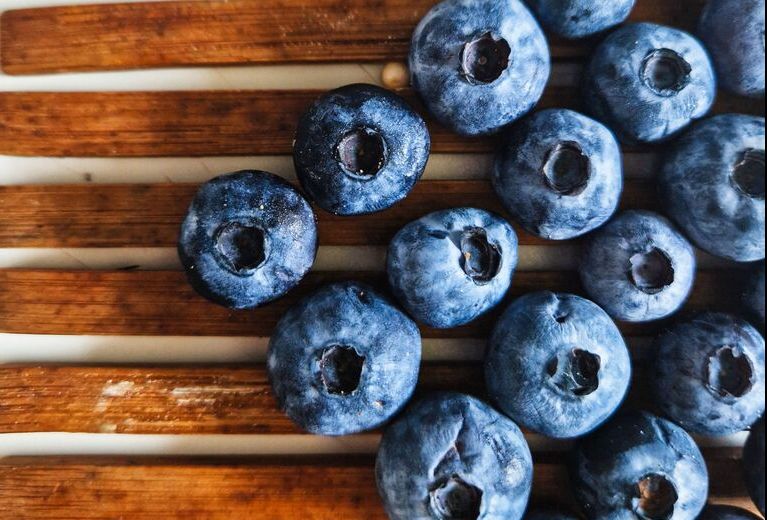
A single cup of blueberries contains thousands of naturally occurring plant compounds, including the anthocyanins responsible for their signature blue-purple colour. These compounds, along with fibre, vitamin C, vitamin K and manganese, make the blueberry nutrition profile particularly interesting despite the fruit's small size.
The combination of nutrients and antioxidants helps explain the range of blueberry benefits, including support for heart and brain health, digestion, immunity and healthy blood-sugar regulation. Easy to eat fresh, frozen or mixed into everyday meals, blueberries offer a simple way to add both flavour and valuable nutrients to a balanced diet.
Top 10 Health Benefits of Blueberries
The health benefits of blueberries largely come from their fibre, vitamins, minerals and anthocyanins. Rather than working in isolation, these nutrients and plant compounds support different functions across the body.
Here is a closer look at some of the key blueberries benefits and the role the fruit can play in a balanced diet.
1. Help Protect Cells from Oxidative Stress
Blueberries are particularly known for their anthocyanins, the pigments responsible for their deep blue-purple colour. Along with vitamin C and other polyphenols, these compounds have antioxidant activity that helps protect cells from oxidative stress caused by free radicals. This makes blueberries a useful addition to a varied diet rich in colourful fruits, vegetables, pulses, nuts and whole grains.
2. May Support Heart and Blood Vessel Health
Several components of blueberries make them suitable for a heart-conscious diet. Anthocyanins have been studied for their potential role in supporting healthy blood vessel function, while fibre can contribute to maintaining healthy cholesterol levels. Blueberries also provide a small amount of potassium, a mineral involved in normal blood pressure regulation. Their greatest value comes as part of a diet that includes plenty of plant foods and limits excess saturated fat, salt and added sugar.
3. May Support Brain Function and Memory
The brain has high energy and oxygen requirements. This makes protection from oxidative stress particularly relevant. Anthocyanins and other compounds in blueberries have been studied for their potential effects on brain function, including memory, learning and attention. Their antioxidant activity and possible effects on blood flow may contribute to maintaining cognitive health over time. However, brain health also depends on factors such as physical activity, adequate sleep and an overall nutritious diet.
4. May Help Maintain a Steadier Blood-Sugar Response
Although blueberries contain naturally occurring sugars, eating the whole fruit also provides fibre, which slows digestion and the absorption of carbohydrates. Blueberries have a relatively low glycaemic index, making an appropriate portion easier to incorporate into a balanced diet. Pairing them with plain yoghurt or nuts can also add protein or healthy fats. Sweetened dried blueberries, juices and syrups are different, as they may contain more concentrated sugars and less fibre.
5. May Support Digestive Health
Fibre is one of the reasons blueberry nutrition can benefit digestive health. The fibre in blueberries supports digestion by adding bulk to stools. It also helps maintain regular bowel movements. The polyphenols present in blueberries interact with bacteria in the gut, which may help support a healthy gut environment.
If you are not used to eating much fibre, introducing blueberries gradually and drinking enough water can help reduce bloating or gas.
6. May Assist with Weight Management
For those considering blueberries for weight loss, their combination of water, fibre and natural sweetness can be useful. Fibre can help promote fullness, while the fruit provides volume without being particularly energy-dense. Adding blueberries to oats or plain yoghurt, or choosing them instead of a more calorie-dense sweet snack, can help them fit naturally into a weight-management diet.
Long-term results, however, depend on total dietary intake, physical activity, sleep and other lifestyle factors.
7. May Support Normal Immune Function
Blueberries provide vitamin C, which supports normal immune-cell function and helps protect cells against oxidative stress. Their polyphenols also add to the variety of beneficial plant compounds in the diet. Rather than directly protecting against infections, blueberries can contribute to the nutrient intake needed for normal immune function when eaten alongside a varied diet containing adequate protein, energy and other fruits and vegetables.
8. May Contribute to Bone Health
Blueberries contain vitamin K and manganese, both of which have roles related to bone health. Vitamin K contributes to normal blood clotting and the maintenance of normal bones, while manganese is involved in the formation of connective tissue and normal bone maintenance. Blueberries can be paired with foods such as yoghurt, fortified alternatives, nuts or seeds to create a snack containing a broader range of bone-supporting nutrients.
9. May Support Eye Health
The anthocyanins and vitamin C found in blueberries provide antioxidant activity that may help protect cells, including those in the eyes, against oxidative stress. Anthocyanins are also being studied for their potential role in supporting retinal and small blood vessel function. However, blueberries should not be considered a way to prevent screen-related eye damage or treat vision problems. A varied diet containing leafy greens, orange vegetables and different fruits provides a broader mix of nutrients important for eye health.
10. May Contribute to Healthy Skin
Vitamin C is particularly relevant to skin health because the body needs it for normal collagen formation, which supports the structure of the skin. Anthocyanins and other antioxidants in blueberries can also help protect cells against oxidative stress, while their water content contributes to daily fluid intake. These nutritional qualities make blueberries a useful part of a skin-supportive diet alongside adequate protein, healthy fats, hydration and appropriate sun protection.
Nutritional Value of Blueberries
The table below presents blueberry nutrition values per 100 g of raw fruit.
Nutrient | Amount per 100 g |
Energy | 57 kcal |
Carbohydrate | 14.5 g |
Total sugars | 9.96 g |
Dietary Fibre | 2.4 g |
Protein | 0.74 g |
Total Fat | 0.33 g |
Potassium | 77 mg |
Vitamin C | 9.7 mg |
Vitamin K | 19.3 mcg |
Manganese | 0.336 mg |
Note: Nutritional values may vary slightly by variety and growing conditions.
Fresh vs Frozen Blueberries: Which is Better?
Both fresh and frozen blueberries can be nutritious choices, and one is not necessarily better than the other. Fresh blueberries are valued for their firm texture and flavour, while frozen blueberries are usually frozen soon after harvest, helping preserve much of their nutritional value. The better choice often comes down to availability, storage and how you plan to use them.
Parameter | Fresh Blueberries | Frozen Blueberries |
Nutrition | Nutrient-rich when fresh and properly stored | Retain much of their nutritional value after freezing |
Texture | Firm and juicy | Usually softer after thawing |
Availability | Availability may vary by season and location | Conveniently available throughout the year |
Storage | Have a shorter shelf life and should be consumed relatively soon | Can be stored in the freezer for longer |
Best Uses | Snacking, salads, yoghurt and toppings | Smoothies, sauces, oatmeal and baked dishes |
Buying Tip | Look for plump, firm and dry berries | Choose unsweetened varieties without added sugar |
How to Include Blueberries in Your Diet?
Blueberries are easy to add to everyday meals without making major changes to your diet. Around half to one cup can be a practical serving for many adults, although there is no fixed amount that everyone needs to eat daily. Here are a few simple ways to enjoy them:
Eat them as a snack: Enjoy washed fresh blueberries on their own or pair them with a handful of nuts.
Add them to breakfast: Mix fresh or frozen blueberries into plain yoghurt, oats or porridge for natural sweetness and extra fibre.
Blend them into smoothies: Use frozen blueberries with fruit, yoghurt or milk instead of adding sugary syrups.
Use them as a topping: Sprinkle blueberries over salads, wholegrain pancakes or other everyday dishes.
Make a simple compote: Gently cook blueberries without added sugar and serve them with curd, yoghurt or wholegrain toast.
Be mindful of processed varieties: Check dried, canned or packaged blueberry products for added sugar and adjust the portion accordingly.
Note: It is best to use blueberries for weight loss thoughtfully. If weight management is the goal, try swapping a calorie-dense dessert or sweet snack for blueberries rather than simply adding them to an existing meal.
Key Facts About Blueberries
Here are some key facts about blueberries:
They are one of the few naturally blue foods: Their blue-purple colour comes primarily from anthocyanins, antioxidant plant pigments concentrated in the skin.
Blueberries belong to the Vaccinium family: They are closely related to cranberries, bilberries and huckleberries.
They are mostly water: Blueberries have a high-water content, making them a naturally hydrating fruit while still providing fibre and micronutrients.
The whitish coating is natural: The pale, powdery layer sometimes seen on fresh blueberries is called bloom. It is a natural protective coating rather than mould or pesticide residue.
Side Effects of Blueberries
Blueberries are generally well tolerated when consumed as part of a balanced diet. However, there are a few considerations to keep in mind, particularly around portion size, allergies and certain medications:
Digestive Discomfort: Eating a large quantity at once may cause gas, bloating or loose stools, particularly in people who are sensitive to fibre or are not accustomed to a high-fibre diet.
Allergic Reactions: Although uncommon, some people may experience symptoms such as itching, hives or swelling after eating blueberries. Breathing difficulty or a severe allergic reaction requires immediate medical attention.
Added Sugar in Processed Products: Dried blueberries, jams, juices and other packaged products may contain added or concentrated sugars and can affect blood glucose differently from whole fresh or frozen berries.
Consideration with Warfarin: Blueberries contain vitamin K. People taking warfarin are generally advised to keep their vitamin K intake consistent rather than suddenly increasing or decreasing it, and to follow guidance from their healthcare professional.
Importance of Health Insurance
Eating well, staying active and making healthier everyday choices can ensure long-term well-being. However, medical needs can still arise unexpectedly. This is where health insurance becomes important. It can provide a financial cushion against such unexpected medical expenses. It can help individuals and families access necessary care without having to manage the entire cost themselves.
That said, coverage requirements can also change with different stages of life. A family health insurance plan can help bring your loved ones under one policy, while add on* like maternity insurance can provide financial support for specified pregnancy and childbirth-related medical expenses. For instance, SBI General Health Alpha by SBI General Insurance offers customisable coverage and includes a Maternity & Child Care Cover, which provides benefits for maternity expenses, newborn baby care, child vaccination and assisted reproduction treatment. Policyholders can also use the SBI General Insurance mobile app to link and renew policies, download policy documents, intimate claims, track claim status and locate nearby network hospitals.
*Add-ons are available at an additional premium and are subject to the policy terms and conditions.
Disclaimer: Health insurance coverage, benefits, eligibility, waiting periods and exclusions are subject to the terms and conditions of the policy. Features may vary depending on the plan and coverage selected. Please refer to the policy wording and applicable product documents for complete details.
Conclusion
Eating blueberries is an easy way to add fibre, essential nutrients and beneficial plant compounds to your diet. Whether enjoyed fresh or frozen, they can be a nutritious part of a varied diet. Including them in everyday meals is a simple way to enjoy the different blueberries benefits they have to offer.
FAQs
1. What nutrients are found in blueberries?
Blueberries provide carbohydrates, fibre, vitamins C and K, manganese and anthocyanins, with little fat or protein.
2. Are blueberries beneficial for diabetes control?
Whole blueberries can fit a diabetes-conscious diet because their fibre and low glycaemic index may moderate the blood-sugar response.
3. Are blueberries safe during pregnancy?
Yes, washed blueberries in moderation are generally safe during pregnancy, including the third trimester.
4. How many blueberries should be eaten daily?
About half to one cup is a practical portion for many adults. However, personal energy needs, fruit intake and medical guidance can alter the portion.
This blog is intended solely for educational and informational purposes. Content reflects data at time of publication and may not accurately reflect current premiums, terms, or regulations. Readers are encouraged to confirm the accuracy and relevance of the data before making any significant decisions. SBI General Insurance disclaims responsibility for any errors or consequences arising from the use of outdated information provided herein. For more details, please refer to the policy wordings and prospectus before concluding the sales. *Add-ons are subject to payment of additional premium.
Access and manage all your Insurance Needs in one place, right at your Fingertips.




4/5*
Access and manage all your Insurance Needs in one place, right at your Fingertips.



Vision
Our vision is to become the most trusted general insurer for a transforming India.
Mission
Our mission is to provide simple and innovative general insurance solutions, be responsive to our customers' needs and build a sustainable business for the future.
We're socially active!