


 Contact Us


 Other Insurance
Health Benefits of Drinking Buttermilk (Chaas)
Date: Sep 28, 2026 - Last Modified Sep 28, 2026


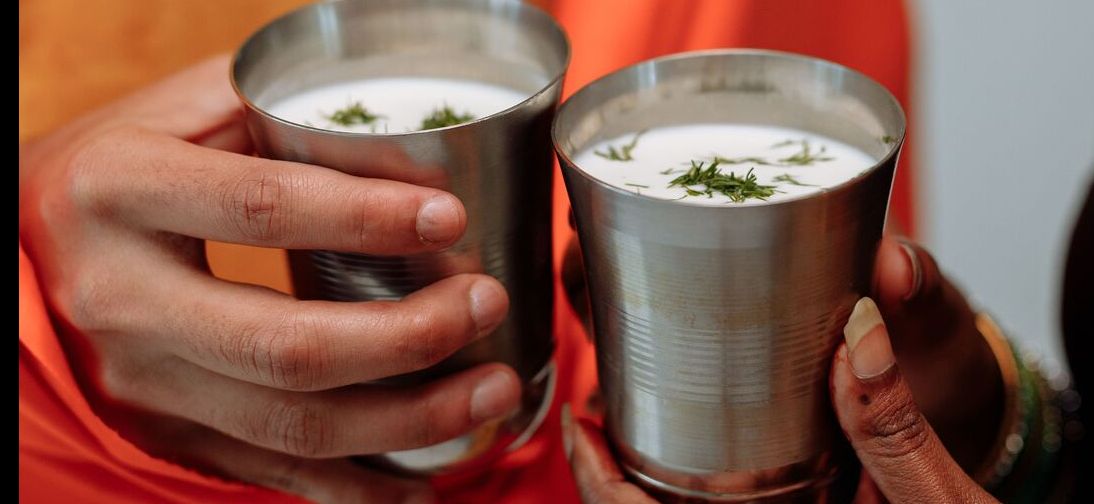
Buttermilk, or chaas as it is commonly known in India, has long been a familiar part of everyday meals, especially when something light and refreshing is preferred. Traditionally, buttermilk refers to the liquid left behind after churning cream into butter. Today, it can also be prepared by fermenting milk with lactic acid bacteria, giving it its characteristic tangy flavour and creamy consistency.
But there is more to this humble drink than its refreshing taste. The health benefits of buttermilk come from its water content, probiotics and nutrients such as protein, calcium, phosphorus, potassium, riboflavin and vitamin B12. Together, these nutrients can support digestion, hydration, bone health and energy metabolism. A closer look at buttermilk nutrition helps explain why this simple, traditional drink continues to find a place in everyday diets.
Top 10 Health Benefits of Buttermilk
The health benefits of buttermilk come from more than just one nutrient. Its combination of water, electrolytes, protein, probiotics, vitamins and minerals means each glass can contribute to the body in different ways. From keeping you hydrated to supporting digestion and bone health, here are ten buttermilk benefits worth knowing about.
1. Helps Keep You Hydrated
A glass of chaas can be particularly refreshing on a hot day, and there is a nutritional reason for that. Buttermilk contains plenty of water along with electrolytes such as potassium. Water replaces the fluid the body loses through sweating, while electrolytes help maintain normal fluid balance. This makes hydration one of the most practical chaas benefits, particularly during warmer weather.
2. Supports Digestion and Gut Health
Cultured buttermilk contains probiotics, or beneficial bacteria that can help maintain a healthy balance of microorganisms in the gut. This balance plays an important role in digestion and overall gut function. The fermentation process also produces lactic acid and changes some of the components of milk, which is why cultured buttermilk can be a useful addition to a gut-friendly diet.
3. Helps Maintain Strong Bones and Teeth
Calcium and phosphorus are two important parts of the buttermilk nutrition profile. Both have a role in maintaining bones and teeth. Calcium is a major structural component of bones, while phosphorus works alongside it to support bone mineralisation. Including calcium-rich foods such as buttermilk as part of a balanced diet can therefore help maintain bone strength over time.
4. May Support Healthy Blood Pressure
Potassium does more than maintain fluid balance. It also helps counter some of the effects of sodium and supports the normal functioning of blood vessels, making adequate potassium intake important for maintaining healthy blood pressure. Since buttermilk naturally provides potassium, it can contribute to a heart-friendly diet, particularly when consumed without excessive added salt.
5. Provides Protein for Fullness and Body Functions
Protein is another reason buttermilk can be a satisfying addition to meals. It helps build and repair tissues and can also slow digestion enough to keep you feeling full for longer. This can make buttermilk a useful alternative to richer or sugar-sweetened beverages when you want something filling without turning to a heavier drink.
6. May Help with Weight Management
Can a glass of chaas make you lose weight? Not by itself. However, its protein content can promote fullness, which may make it easier to manage appetite between meals. Choosing plain buttermilk instead of higher-calorie or sugary beverages can also help reduce overall calorie intake. Its role in weight management therefore comes from how it fits into the wider diet rather than any direct fat-burning effect.
7. Supports Normal Energy Metabolism
Buttermilk provides B vitamins, including riboflavin and vitamin B12. These vitamins help the body use nutrients from food and convert them into forms of energy that cells can use. Rather than providing an instant energy boost, they support the everyday metabolic processes that keep the body functioning normally.
8. May Support Cholesterol Management
Some dairy components, including sphingolipids, have been studied for their possible role in cholesterol metabolism. They may influence how cholesterol is absorbed and processed in the digestive system, potentially reducing the amount that enters circulation. Buttermilk should not be considered a treatment for high cholesterol, but it can form part of an otherwise balanced, heart-conscious diet.
9. Supports Normal Immune Function
The gut and immune system are closely connected. The probiotics present in cultured buttermilk can help maintain a balanced gut microbiome, which in turn interacts with the body's immune system. Buttermilk also provides nutrients such as protein and vitamin B12 that contribute to normal body functions, making its role broader than simply supporting digestion.
10. May Be Easier to Digest Than Milk for Some People
Fermentation changes some of the lactose naturally present in milk as bacteria use it during the process. As a result, some people with lactose intolerance may find cultured buttermilk easier to tolerate than regular milk. However, buttermilk still contains lactose, so tolerance varies from person to person and those with significant lactose intolerance may still experience digestive symptoms.
Nutritional Value of Buttermilk (Chaas)
Buttermilk, or chaas, provides protein along with several essential minerals and B vitamins. Given below is the nutritional composition of a 100 g serving of buttermilk:
Nutrient | Amount per 100 g |
Energy | 40 kcal |
Protein | 3.31 g |
Calcium | 116 mg |
Phosphorus | 89 mg |
Potassium | 151 mg |
Riboflavin (Vitamin B2) | 0.154 mg |
Pantothenic acid (Vitamin B5) | 0.275 mg |
Note: The nutritional composition of buttermilk can differ depending on the type of curd or milk used, the level of dilution and the preparation method.
Key Facts About Buttermilk
Here are some key facts about buttermilk:
Traditional buttermilk is actually a by-product of butter-making: It originally referred to the liquid left behind after cream was churned into butter.
Cultured buttermilk is made differently: Many varieties available today are produced by fermenting milk with lactic acid bacteria, which gives the drink its characteristic tang and thicker consistency.
Chaas and buttermilk are not always exactly the same: In India, chaas is commonly prepared by diluting curd with water and may include ingredients such as cumin, mint, coriander or salt.
Fermentation changes the milk: During fermentation, bacteria convert some of the lactose into lactic acid. This creates the sour taste and may make cultured buttermilk easier to digest than regular milk for some people.
It provides more than just hydration: Buttermilk contains protein and nutrients such as calcium, phosphorus, potassium, riboflavin and vitamin B12, making it a refreshing drink with nutritional value.
How to Drink Buttermilk Safely?
How buttermilk is selected and consumed can affect suitability, particularly for individuals with dairy sensitivities or specific nutritional requirements. Some key considerations include:
For packaged buttermilk:
Check the label: Look at the ingredient and nutrition information to check for added sugar, sodium and other ingredients. Plain or unsweetened varieties may be preferable if you want to limit added sugar.
Look for live cultures: If you are choosing buttermilk for its probiotics, check whether the packaging mentions live and active cultures.
Choose pasteurised products: Opt for buttermilk made from pasteurised milk to reduce the risk of harmful microorganisms associated with raw dairy products.
For homemade buttermilk or chaas:
Use pasteurised milk or curd: When preparing chaas at home, start with pasteurised dairy products and follow good food hygiene practices.
Watch what you add: Salt, sugar and other additions can change its nutritional profile. Keeping these additions moderate can help keep the drink simple and nutritious.
Prepare it fresh: Homemade buttermilk is best prepared hygienically and stored properly under refrigeration if it is not consumed immediately.
For both packaged and homemade varieties:
Start small if you are lactose intolerant: Individual tolerance varies, so begin with a small serving and see how your digestive system responds.
Avoid it if you have a milk allergy: Buttermilk is a dairy product and contains milk proteins. Those with a milk allergy or a medically advised dairy restriction should avoid it and choose an appropriate alternative.
Ways to Consume Buttermilk
Buttermilk does not have to be consumed only as a plain drink. To enjoy the buttermilk benefits in different ways, its creamy consistency and tangy flavour make it a versatile addition to both sweet and savoury preparations:
Drink it chilled: Add roasted cumin or fresh mint for a simple savoury drink.
Blend it into smoothies: Combine unsweetened buttermilk with fruit, cinnamon or oats for a creamy beverage.
Use it in baked foods: Add buttermilk to biscuits, cakes, scones or brownies, where its texture works well in batter.
Prepare dressings and dips: Whisk buttermilk into herb-based salad dressings, creamy dips or sauces.
Add it to breakfast recipes: Use buttermilk while preparing dishes such as dosa, idli, uttapam or cheela batter to add a mild tangy flavour and soft texture.
Prepare a marinade: Use buttermilk as a base for marinades. Its mild acidity can help tenderise foods such as chicken, while also adding a subtle tangy flavour. For vegetarian options, it can be used to marinate tofu or paneer with herbs and spices.
Mix it into salads: A small quantity can add creaminess and tanginess to vegetable slaw, potato salad or pasta salad.
Side Effects of Buttermilk
While buttermilk can be a nutritious addition to the diet, it may not work equally well for everyone. How much you drink, what is added to it and how well your body tolerates dairy can all influence how you feel after consuming it.
Digestive discomfort: Residual lactose may cause bloating, gas, diarrhoea or cramps in lactose-intolerant individuals.
Acid reflux: Buttermilk's acidity may aggravate reflux or heartburn in susceptible individuals, particularly with nighttime consumption.
Higher sodium intake: Commercial varieties can contain added salt, which may increase overall sodium intake.
Additional calories: Flavoured varieties may contain added sugar or fat, increasing their calorie content.
Milk allergy reactions: Milk proteins such as casein and whey can cause allergic reactions in individuals with dairy allergies.
Kidney-related considerations: Potassium, phosphorus and calcium intake may require closer management for some individuals with kidney conditions.
Migraine sensitivity: Tyramine in buttermilk may trigger headaches or migraines in susceptible individuals.
Medication interactions: Dairy and calcium can affect the absorption of certain medicines, making appropriate consumption important for affected individuals.
Importance of Health Insurance
A glass of buttermilk may support your everyday nutrition, but staying healthy is not only about what you eat or drink. Even with good habits, an unexpected illness or hospital visit can bring unplanned medical expenses. This is where health insurance plans can make a difference by providing a financial cushion and helping you access the care you need without letting healthcare costs become an additional concern.
As you age, your healthcare needs may also change, making adequate medical coverage even more important. Options such as senior citizen health insurance can help provide coverage suited to the healthcare requirements that may arise later in life. SBI General Insurance’s Super Health Insurance offers sum insured options ranging from ₹3 lakh to ₹2 crore, along with access to 18,000+ network hospitals, a seamless claims process and 24x7 customer support, helping you stay prepared through different stages of life.
Disclaimer: Coverage, features, benefits and services are subject to the terms and conditions of the policy. Please refer to the policy wording for complete details.
Conclusion
Buttermilk may be a simple everyday drink, but there is plenty packed into every glass. From supporting hydration and digestion to adding protein, calcium and other nutrients to the diet, the benefits of buttermilk go well beyond beating the summer heat. Enjoy it plain, turn it into a refreshing chaas or add it to your favourite recipes. Just choose a variety that suits your nutritional needs and, most importantly, your stomach.
FAQs
1. What are the digestive benefits of buttermilk?
Cultured buttermilk contains probiotics that can help maintain a healthy balance of gut bacteria and support digestion. These digestive advantages are among the potential buttermilk benefits associated with fermented varieties. Fermentation also breaks down some of the lactose, which may make cultured buttermilk easier to digest than regular milk for some people.
2. How does buttermilk support hydration?
Buttermilk provides water along with electrolytes such as potassium, which help maintain the body's fluid balance. This makes it a refreshing option for replacing some of the fluids and electrolytes lost through sweating.
3. Can buttermilk help in weight management?
Yes, buttermilk can be included in a weight-management diet. Its protein content can help you feel full for longer, while plain buttermilk can be a lighter alternative to sugary or higher-calorie beverages. However, weight management ultimately depends on your overall diet and activity levels.
4. Does buttermilk improve bone health?
Buttermilk provides calcium and phosphorus, two minerals needed to maintain strong bones and teeth. Some fortified varieties may also contain vitamin D, which helps the body absorb calcium effectively.
5. Is buttermilk beneficial for skin health?
Buttermilk contains lactic acid, a compound commonly associated with exfoliation and smoother-looking skin when used in skincare. However, drinking buttermilk should not be expected to produce the same effects as applying a formulated lactic acid skincare product.
6. What is the difference between buttermilk and curd?
Curd has a thick, semi-solid consistency, while buttermilk is a thinner dairy drink. Traditionally, buttermilk is the liquid left after churning curd or cultured cream to separate the butter, although commercially produced cultured buttermilk is prepared differently.
7. Can lactose-intolerant individuals drink buttermilk?
Some people with lactose intolerance may tolerate cultured buttermilk better than regular milk because fermentation breaks down some of its lactose. However, buttermilk still contains lactose, so tolerance varies from person to person.
8. When is the best time to drink buttermilk?
There is no fixed best time to drink buttermilk. It can be enjoyed during the day according to your preference and digestive comfort, although people who experience acid reflux may prefer to avoid having it close to bedtime.
9. Can buttermilk be consumed every day?
For many people, buttermilk can be included in the daily diet in suitable quantities to enjoy the potential buttermilk benefits. However, individual factors such as lactose intolerance or milk allergy should be considered, along with the amount of added salt or sugar in the drink.
10. Does buttermilk contain protein?
Yes. Protein is an important part of buttermilk nutrition. Around 245 ml of cultured buttermilk provides approximately 3.31 grams of protein, along with calcium and several B vitamins.
This blog is intended solely for educational and informational purposes. Content reflects data at time of publication and may not accurately reflect current premiums, terms, or regulations. Readers are encouraged to confirm the accuracy and relevance of the data before making any significant decisions. SBI General Insurance disclaims responsibility for any errors or consequences arising from the use of outdated information provided herein. For more details, please refer to the policy wordings and prospectus before concluding the sales. *Add-ons are subject to payment of additional premium.
Access and manage all your Insurance Needs in one place, right at your Fingertips.




4/5*
Access and manage all your Insurance Needs in one place, right at your Fingertips.



Vision
Our vision is to become the most trusted general insurer for a transforming India.
Mission
Our mission is to provide simple and innovative general insurance solutions, be responsive to our customers' needs and build a sustainable business for the future.
We're socially active!