


 Contact Us


 Other Insurance
Health Benefits of Chia Seeds
Date: Jul 30, 2026 - Last Modified Jul 30, 2026


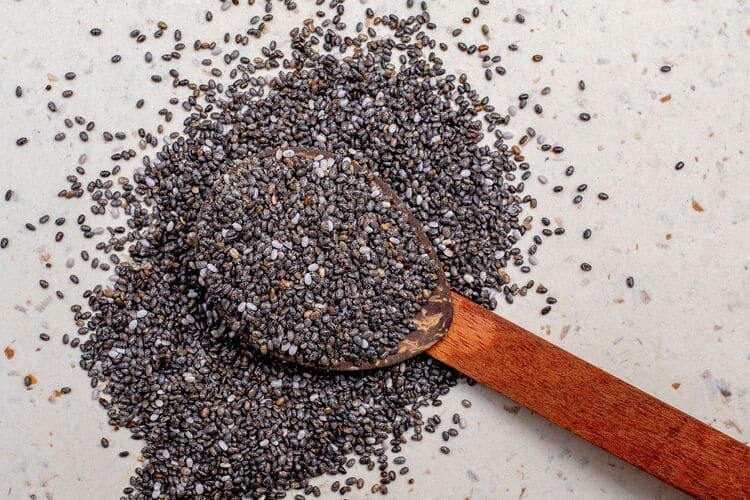
Chia seeds are small edible seeds that have become a popular part of healthy eating habits. They are easy to add to daily meals and can be enjoyed in different ways. Their natural nutrients make them a simple addition to a balanced diet. Learning about their nutritional value and proper use can help people include them in their regular food choices with confidence.
Nutritional Value of Chia Seeds
Understanding the nutritional value of chia seeds can help you better appreciate the many advantages of chia seeds and why they are often considered a healthy addition to a balanced diet.
Nutrient | Amount (per serving) |
Calories | 138 |
Protein | 4.7 g |
Carbohydrates | 11.9 g |
Sugar | 0 g |
Fibre | 9.8 g |
Total Fat | 8.7 g |
Saturated Fat | 0.9 g |
Monounsaturated Fat | 0.7 g |
Polyunsaturated Fat | 6.7 g |
Omega-3 Fatty Acids | 5 g |
Omega-6 Fatty Acids | 1.7 g |
Top 10 Health Benefits of Chia Seeds
Rich source of fibre
One of the well-known health benefits of chia seeds is their high fibre content. Fibre supports normal digestion and may help people feel satisfied after meals.
Supports heart health
Chia seeds naturally contain omega 3 fatty acids, fibre, and antioxidants that are commonly included in balanced diets.
Helps maintain bone health
Calcium, phosphorus, and magnesium present in chia seeds contribute to maintaining healthy bones when included as part of a balanced diet.
Supports healthy digestion
The fibre in chia seeds supports regular digestion and healthy bowel function when consumed along with sufficient water and a balanced diet.
May support weight management
Many people include chia seeds in meals because they absorb water and create a feeling of fullness.
Provides plant-based protein
Among the common uses of chia seeds is adding them to smoothies, yoghurt, salads, or oatmeal to increase the protein content of meals.
Supports steady energy
The combination of fibre, protein, and healthy fats provides slow and steady energy, making chia seeds a popular addition to breakfast and healthy snacks.
Rich in antioxidants
One of the recognised health advantages of chia seeds is the presence of antioxidants that help protect body cells from everyday oxidative stress.
Easy to include in meals
Chia seeds can easily become part of daily food habits.
Suitable for different diets
Chia seeds fit well into vegetarian, vegan, and many balanced eating plans.
Key Facts About Chia Seeds
Some interesting facts include:
They can absorb large amounts of water.
They have a mild flavour.
They are naturally gluten-free.
They require very little preparation.
They can be eaten soaked or added to recipes.
They blend well with both sweet and savoury dishes.
Possible Side Effects of Chia Seeds
Although chia seeds are widely enjoyed, it is generally advisable to consume them in moderation as part of a balanced diet.
May cause bloating, gas, or digestive discomfort if consumed in excess.
Can increase the risk of choking if eaten dry without enough water.
May trigger allergic reactions in some individuals.
May interact with certain blood sugar or blood pressure medications.
Excessive consumption may lead to constipation or diarrhoea, especially without adequate hydration.
To explore the different uses of chia seeds, one can begin with a small quantity and gradually include them in their regular meals according to their personal preferences.
Importance of Health Insurance
Including nutrient-rich foods like chia seeds in your daily diet is one way to support your health. However, maintaining good health also means being prepared for unexpected medical expenses. A comprehensive health insurance plan can provide financial support when you need it the most.
SBI General Insurance offers health insurance solutions such as Health Alpha, along with access to 18,324+ network hospitals, a smooth claims process, and 24x7 customer support. With the right health insurance coverage and timely health insurance renewal, you can focus on your well-being with greater peace of mind.
Conclusion
Chia seeds are a simple and nutritious food that can easily become part of everyday meals. Their natural nutrients, versatility, and ease of preparation make them suitable for many healthy eating patterns. However, moderation is key. Excessive consumption may not be suitable for everyone.
Note: This article is for informational purposes only and is not medical advice. Consult a qualified healthcare professional for diagnosis or treatment decisions.
FAQs
1. What are the main health benefits of chia seeds?
The health benefits of chia seeds include providing fibre, plant-based protein, omega-3 fatty acids, antioxidants, and essential minerals such as calcium and magnesium.
2. How do chia seeds support digestive health?
Chia seeds are naturally rich in dietary fibre, which supports regular bowel movements and healthy digestion when consumed with enough water.
3. Can chia seeds help with weight management?
One of the commonly discussed health advantages of chia seeds is that they may support healthy weight management when combined with regular exercise and nutritious food choices.
4. Are chia seeds a good source of protein and fibre?
Yes, chia seeds naturally contain both protein and fibre, making them a nutritious addition to daily meals.
5. How should chia seeds be consumed for maximum benefits?
There are several uses of chia seeds in daily meals. They can be soaked in water before consumption, mixed into yoghurt, blended into smoothies, added to oatmeal, sprinkled over salads, or used to prepare chia pudding.
6. Are chia seeds beneficial for heart health?
Chia seeds contain omega-3 fatty acids, fibre, and antioxidants, which are commonly included in heart-friendly diets.
This blog is intended solely for educational and informational purposes. Content reflects data at time of publication and may not accurately reflect current premiums, terms, or regulations. Readers are encouraged to confirm the accuracy and relevance of the data before making any significant decisions. SBI General Insurance disclaims responsibility for any errors or consequences arising from the use of outdated information provided herein. For more details, please refer to the policy wordings and prospectus before concluding the sales. *Add-ons are subject to payment of additional premium.
Access and manage all your Insurance Needs in one place, right at your Fingertips.




4/5*
Access and manage all your Insurance Needs in one place, right at your Fingertips.



Vision
Our vision is to become the most trusted general insurer for a transforming India.
Mission
Our mission is to provide simple and innovative general insurance solutions, be responsive to our customers' needs and build a sustainable business for the future.
We're socially active!