


 Contact Us


 Other Insurance
Health Benefits of Curry Leaves
Date: Sep 28, 2026 - Last Modified Sep 28, 2026


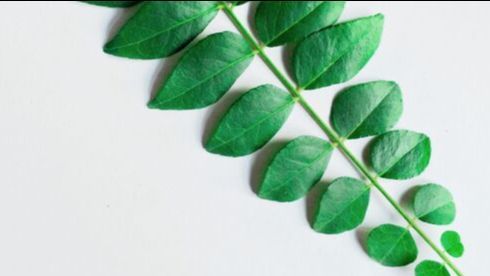
Did you know curry leaves, commonly known as kadi patta in India, belong to the same botanical family as citrus fruits such as lemons and oranges? These aromatic leaves from the Murraya koenigii tree are a familiar ingredient in Indian cooking. They add their distinctive flavour to dals, curries, chutneys and more.
Curry leaves also contain fibre, vitamins, minerals and naturally occurring plant compounds. The potential health benefits of curry leaves range from supporting digestion and antioxidant defence to heart, eye and bone health. Curry leaves for hair are also commonly used in traditional hair-care practices.
Top 10 Health Benefits of Curry Leaves
These aromatic leaves may be small, but they contain a range of nutrients and plant compounds that can support different aspects of health when included as part of a balanced diet.
Here are some potential curry leaves benefits and how they may support the body.
1. May Strengthen Antioxidant Defences
Curry leaves contain alkaloids, flavonoids and other antioxidant compounds that can help neutralise free radicals. This may help protect cells from oxidative stress caused by normal metabolic processes and environmental factors. Regularly including curry leaves alongside a variety of fruits, vegetables, pulses, nuts and whole grains can add to the range of protective plant compounds in the diet.
2. May Support Healthy Digestion
Curry leaves contain dietary fibre, which can support regular bowel movements and digestive health. Eating the leaves instead of discarding them after tempering allows you to benefit from their fibre and other nutrients. They are also traditionally used in dishes such as buttermilk, dals and rice preparations for digestive comfort. However, evidence that curry leaves specifically treat acidity or bloating is limited.
3. May Help Support Blood Sugar Management
Certain plant compounds in curry leaves have been studied for their potential effects on glucose metabolism, while their fibre can contribute to a more balanced meal. However, curry leaves should not be considered a treatment for diabetes. People taking glucose-lowering medication should also seek medical advice before consuming concentrated curry leaf extracts or supplements, as these could potentially affect blood sugar levels.
4. May Support Heart Health
The antioxidants and other plant compounds in curry leaves have been studied for their potential role in lipid metabolism, including cholesterol and triglyceride levels. Their practical benefit also comes from using them to add flavour to nutritious home-cooked meals. For heart health, curry leaves are best enjoyed as part of a diet rich in vegetables, pulses and whole grains and moderate in salt and saturated fat.
5. May Contribute to Healthy Hair and Scalp
Curry leaves for hair are widely used in traditional hair-care routines, particularly in oil-based preparations. Their nutrients and antioxidants can contribute to normal tissue health when consumed as part of a balanced diet, while curry leaf-infused oils may help condition the hair and scalp. However, evidence that curry leaves can directly prevent hair loss, stimulate new hair growth or treat dandruff is limited.
6. May Help Maintain Normal Vision
Curry leaves contain carotenoids, including beta-carotene, which the body can convert into vitamin A. Vitamin A plays an important role in maintaining the surface of the eye and supporting normal vision, particularly in low-light conditions. Since curry leaves are generally consumed in small amounts, they are best combined with other vitamin A-rich foods as part of a varied diet.
7. May Contribute to Bone Health
Curry leaves provide minerals associated with normal bone function, including calcium, magnesium and phosphorus. These nutrients contribute to maintaining bone structure and supporting normal muscle function. However, because only a small quantity of curry leaves is typically consumed, foods such as dairy products, ragi, sesame seeds, pulses and fortified alternatives remain important sources of bone-supporting nutrients.
8. May Support Normal Immune Function
Curry leaves contain antioxidants and micronutrients that contribute to the body's normal protective functions. Their plant compounds can also add nutritional variety to everyday meals. However, immune function depends on overall diet quality, including adequate protein, vitamins and minerals, alongside sufficient sleep and other healthy lifestyle habits.
9. May Support Liver Health
Antioxidant compounds in curry leaves have been studied for their potential protective effects against oxidative stress in liver cells. However, claims that curry leaves “detoxify” the liver or improve the body's detoxification process are not well established in humans. The liver naturally carries out detoxification, and its health is better supported through balanced nutrition, appropriate alcohol intake and other healthy lifestyle habits.
10. May Support Healthy Weight Management
Curry leaves add flavour to meals without contributing significant calories in a typical serving. While their small fibre content alone is unlikely to noticeably reduce hunger or prevent snacking, using aromatic ingredients such as curry leaves can make vegetables, pulses and other nutritious foods more enjoyable. Sustainable weight management ultimately depends on overall calorie intake, diet quality, physical activity, sleep and other lifestyle factors.
Nutritional Value of Curry Leaves
The curry leaves benefits are linked to their nutritional profile, which includes fibre, vitamins, minerals and naturally occurring plant compounds. The table below shows the nutritional value of 100 g of fresh curry leaves, a comparison quantity much larger than a typical culinary serving.
Nutrient | Amount per 100 g |
Energy | 108 kcal |
Protein | 6.1 |
Carbohydrate | 18.7 g |
Total Fat | 1.0 g |
Dietary Fibre | 6.4 g |
Calcium | 830 mg |
Iron | 0.93 mg |
Magnesium | 44 mg |
Potassium | 466 mg |
Total folate | 93.9 mcg |
Vitamin C | 4 mg |
Note: Nutrient levels may vary depending on factors such as growing conditions and region.
Key Facts About Curry Leaves
Here are some key facts about curry leaves:
Native to the Indian subcontinent: Curry leaves come from the Murraya koenigii tree and are widely used in Indian cuisine.
Rich in plant compounds: They contain naturally occurring alkaloids, flavonoids, carotenoids and other antioxidant compounds.
Contain essential nutrients: Curry leaves provide nutrients such as calcium, magnesium, phosphorus and beta-carotene.
Can be eaten in different ways: They can be consumed fresh, cooked into dishes or added to tempering for flavour and nutrition.
How to Include Curry Leaves in Your Diet?
Here are some simple ways to include curry leaves in your diet:
Add them to tempering: Temper whole curry leaves with mustard seeds or cumin and add them to dal, sambar, vegetables or rice.
Blend them into chutneys: Add washed curry leaves to chutneys so that the whole leaf is consumed.
Mix them into breakfast dishes: Finely chopped curry leaves can be added to dosa batter, upma, poha or savoury pancakes.
Use curry leaf powder: Sprinkle it over curd rice, salads or cooked vegetables for an easy addition to meals.
Try a curry leaf drink: Fresh curry leaves can be blended with water and lemon for a refreshing drink. Avoid adding too much sugar.
Chew them fresh: A few thoroughly washed raw curry leaves can also be eaten directly if you enjoy their flavour.
Fresh curry leaves are generally preferred for cooking because they offer a stronger aroma and more distinctive flavour. Dried leaves, however, can be a convenient option when fresh ones are unavailable.
How Many Curry Leaves Should One Eat in a Day?
For most healthy adults, around 5 to 10 fresh curry leaves a day can be a practical amount to include in the diet. You can add them to everyday meals such as dal, poha, chutneys or vegetables, or simply chew a few washed leaves if you prefer. There is no fixed daily requirement for curry leaves, so you do not need to treat this as a strict target. They are best enjoyed in moderate amounts as part of a varied and balanced diet.
Side Effects of Curry Leaves
Curry leaves are generally well tolerated when used in the small amounts typically added to food. However, eating them in large quantities or consuming concentrated forms may not suit everyone.
Some possible curry leaves side effects include:
Digestive discomfort: Large amounts of curry leaves, concentrated juice or powder may cause nausea, diarrhoea or stomach discomfort in some people.
Allergic reactions: Although uncommon, symptoms such as a rash, swelling, wheezing or difficulty breathing may indicate an allergic reaction and require medical attention.
Possible medicine interactions: Concentrated curry leaf extracts may affect blood sugar or blood pressure. People taking medicines for these conditions should seek medical advice before using concentrated forms.
Pregnancy and breastfeeding considerations: Curry leaves used in normal culinary amounts are different from concentrated or medicinal quantities. It is advisable to consult a healthcare professional before consuming the latter during pregnancy or breastfeeding.
Food hygiene: Wash fresh curry leaves thoroughly before eating them raw and avoid leaves that appear mouldy, discoloured or spoiled.
Most curry leaves side effects are more likely to be associated with excessive or concentrated consumption rather than the small amounts commonly used in everyday cooking.
Importance of Health Insurance
Adding nutritious ingredients such as curry leaves to your meals can be a simple way to support everyday well-being. But healthy habits are only one part of looking after yourself. When an unexpected illness or medical expense arises, suitable health insurance can provide financial support for covered healthcare needs.
SBI General Health Alpha by SBI General Insurance offers flexibility with 50+ coverage options. Depending on the coverage selected, can provide additional financial protection against specified serious illnesses. SBI General Insurance also offers 24x7 customer support, helping policyholders access assistance when required.
Disclaimer: Coverage, features and benefits are subject to the terms, conditions, exclusions and applicable limits of the policy. Please refer to the policy wording for complete details.
Conclusion
Curry leaves may be small, but they bring plenty to the plate. Along with their unmistakable aroma and flavour, they provide fibre, vitamins, minerals and protective plant compounds that contribute to several potential health benefits of curry leaves. From tempering dals and curries to blending them into chutneys, there are plenty of easy ways to enjoy them. Whether fresh, dried or powdered, a little curry leaf can go a long way in adding both flavour and nutritional variety to everyday meals.
FAQs
1. What are the main health benefits of curry leaves?
Curry leaves contain fibre, vitamins, minerals and antioxidant compounds. The potential kadi patta benefits include supporting digestion, antioxidant defence, blood sugar management, heart health, vision, bone health and normal immune function when included as part of a balanced diet.
2. How do curry leaves help in controlling diabetes?
Curry leaves contain fibre and plant compounds that may help support healthy glucose metabolism and blood sugar management. However, they cannot replace prescribed diabetes medication, regular blood sugar monitoring or an individually planned diet.
3. Are curry leaves good for hair?
Curry leaves contain antioxidants and nutrients that can support normal hair and scalp health as part of a balanced diet. Curry leaves for hair are also commonly used in traditional oil-based preparations to condition the hair and scalp. However, they are not a treatment for hair loss caused by genetics or underlying medical conditions.
4. Do curry leaves have antioxidant properties?
Yes. Their alkaloids and flavonoids can help neutralise free radicals and protect cells from oxidative stress.
5. How many curry leaves should be eaten daily?
There is no standard clinical dose. Five to ten washed fresh leaves is a practical culinary amount for many healthy adults.
6. Can curry leaves be eaten raw on an empty stomach?
Yes, washed raw leaves can be eaten if tolerated, but an empty stomach offers no proven added advantage. Diabetes medicines require extra care with concentrated intake.
This blog is intended solely for educational and informational purposes. Content reflects data at time of publication and may not accurately reflect current premiums, terms, or regulations. Readers are encouraged to confirm the accuracy and relevance of the data before making any significant decisions. SBI General Insurance disclaims responsibility for any errors or consequences arising from the use of outdated information provided herein. For more details, please refer to the policy wordings and prospectus before concluding the sales. *Add-ons are subject to payment of additional premium.
Access and manage all your Insurance Needs in one place, right at your Fingertips.




4/5*
Access and manage all your Insurance Needs in one place, right at your Fingertips.



Vision
Our vision is to become the most trusted general insurer for a transforming India.
Mission
Our mission is to provide simple and innovative general insurance solutions, be responsive to our customers' needs and build a sustainable business for the future.
We're socially active!