


 Contact Us


 Other Insurance
Health Benefits of Fenugreek Leaves
Date: Aug 31, 2026 - Last Modified Aug 31, 2026


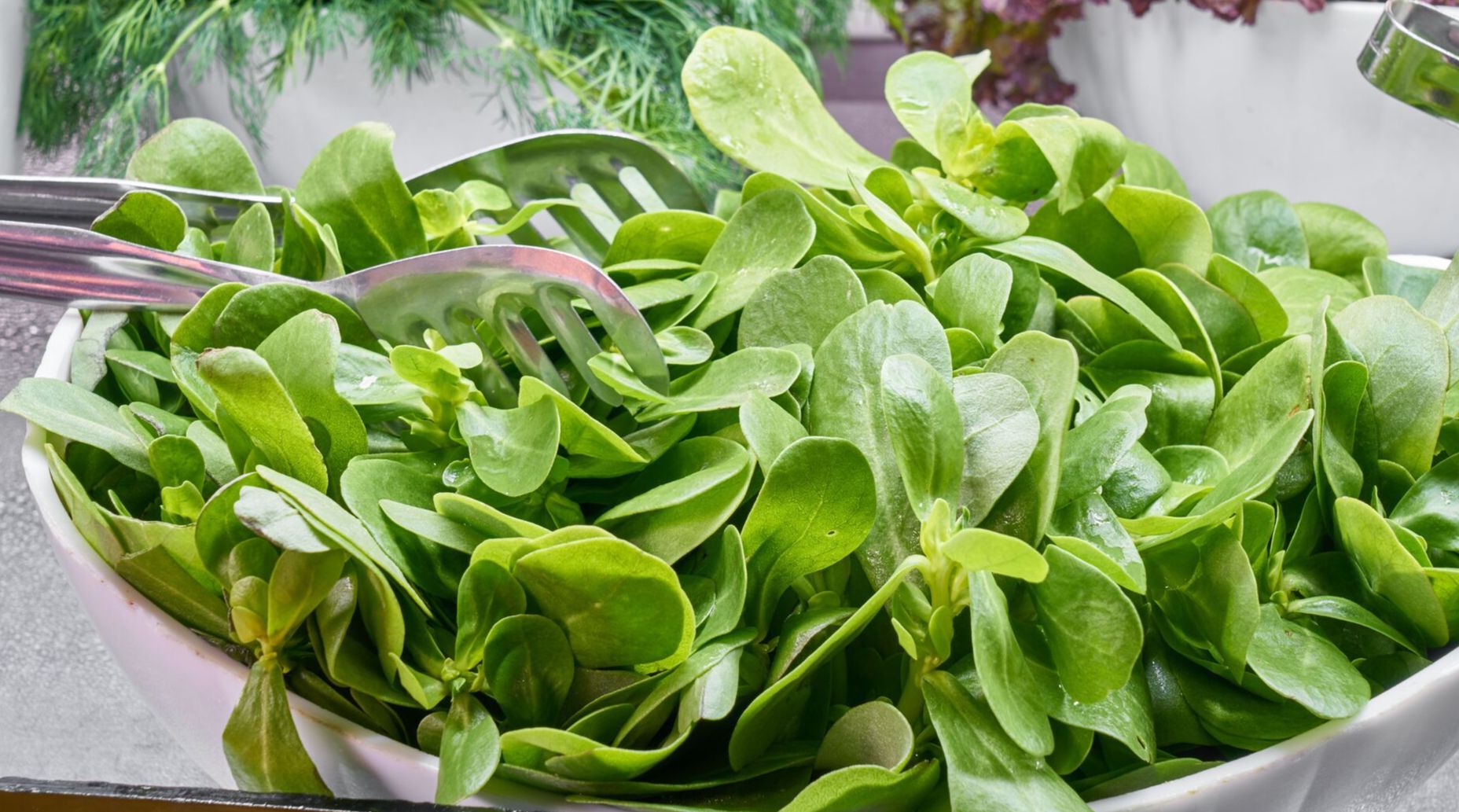
Fenugreek has been used for thousands of years, with records of its use dating back to ancient Egypt. In India, its fresh green leaves are better known as methi, while the dried leaves are commonly known as kasuri methi. From parathas and sabzis to dals and curries, both forms have long been part of everyday cooking. Beyond their distinctive, slightly bitter flavour, fenugreek leaves provide fibre, vitamins, minerals and naturally occurring plant compounds.
Top 10 Health Benefits of Fenugreek Leaves
The health benefits of fenugreek leaves are generally linked to its rich nutritional profile. Listed below are some of these potential health benefits:
1. Supports Digestive Health
Fenugreek leaves can be good for digestion. They provide dietary fibre, which adds bulk to stools and helps food move through the digestive system more regularly. Getting enough fibre can also prevent constipation and support gut health.
2. May Support Blood Sugar Management
Fenugreek leaves are widely studied for its potential role in blood sugar management. Individuals with diabetes can include fenugreek leaves in their diet as part of a balanced meal plan. Their soluble fibre can slow the digestion and absorption of carbohydrates, which may help manage the rise in blood sugar after eating.
However, methi should not be used as a substitute for diabetes medication or medical advice. If you are managing diabetes, portion sizes and overall meal composition remain important.
3. May Support Heart Health
Fenugreek leaves provide fibre and antioxidant plant compounds that may support heart health in different ways. Soluble fibre can help reduce cholesterol absorption in the digestive tract, which may help maintain healthy cholesterol levels.
Their antioxidants also help protect cells and blood vessels from oxidative stress. When included regularly as part of a balanced diet and active lifestyle, fenugreek leaves can be a simple addition to a heart-healthy eating pattern.
4. Provide Essential Nutrients
One of the key methi or kasuri methi benefits is that they add a range of useful nutrients to everyday meals. Fenugreek leaves contain vitamin C, calcium and iron, along with other micronutrients that support different functions in the body.
For instance, vitamin C supports immune function, calcium helps maintain healthy bones, and iron is needed to produce haemoglobin, which carries oxygen throughout the body.
Note: The exact nutrient content can vary depending on the portion size and how the leaves are prepared.
5. May Support Weight Management
Fenugreek leaves can fit well into a weight-management diet because they provide fibre without adding many calories. Fibre can help you feel fuller after eating, which may make it easier to manage portions and unnecessary snacking.
However, it is important to note that fenugreek leaves do not directly “burn fat”. Weight management ultimately depends on your overall diet, calorie intake, physical activity and other lifestyle factors.
6. May Help Manage Inflammation
Fenugreek contains natural antioxidants and plant compounds that may help reduce inflammation in the body. They may work by helping control the body’s inflammatory response and protecting cells from oxidative stress.
This can be useful because ongoing inflammation can affect different parts of the body, including the joints and tissues. Including fenugreek leaves in a balanced diet may therefore help support the body’s natural response to inflammation and contribute to overall joint and tissue health.
7. May Support Healthy Skin
Fenugreek leaves provide vitamin C, beta-carotene and antioxidants, all of which have roles related to skin health. Vitamin C is particularly important because the body needs it to produce collagen, a protein that helps maintain the skin's structure.
Beta-carotene can also be converted into vitamin A, which supports normal skin maintenance, while antioxidants help protect cells from oxidative stress.
8. Supports Normal Immune Function
Fenugreek leaves can contribute to a healthy immune system. They provide vitamin C and antioxidant plant compounds that support the body's normal immune functions and help protect cells from oxidative stress.
However, eating methi cannot prevent colds, flu or other infections. Think of it as one nutritious leafy vegetable that can help support a healthy immune system.
9. May Support Eye Health
Fenugreek leaves contain beta-carotene, which the body can convert into vitamin A. Vitamin A plays an important role in maintaining normal vision, particularly in low-light conditions, and helps keep the surface of the eyes healthy.
Including methi alongside other vegetables can help provide the nutrients your eyes need to stay healthy.
10. May Support Bone Health
Fenugreek leaves provide calcium and magnesium, two minerals involved in maintaining healthy bones. Calcium is an important component of bone tissue, while magnesium plays a role in normal bone structure and helps the body use nutrients involved in bone health.
Methi alone cannot meet all your bone-health needs, so it is best included alongside adequate protein, calcium, vitamin D and regular physical activity.
Note: The nutritional value of fenugreek leaves can vary depending on the variety, portion size and cooking method. They can contribute to a healthy diet, but individual foods should not be used to prevent or treat medical conditions.
Key Facts About Fenugreek Leaves
Here are some key facts about fenugreek leaves:
Their bitterness comes naturally: Fenugreek’s characteristic slightly bitter taste comes from naturally occurring plant compounds, including saponins and alkaloids.
Methi provides plant-based iron: Fenugreek leaves contain iron, and pairing them with vitamin C-rich foods can help the body absorb plant-based iron more effectively.
Drying changes more than the texture: Turning fresh methi into kasuri methi reduces its moisture and changes the concentration of certain nutrients and plant compounds, so the two forms are not nutritionally identical.
How to Add Fenugreek Leaves to Your Diet?
Both fresh methi and dried kasuri methi can be used in everyday cooking, although their flavour, texture and nutrient concentration differ.
Here are some simple ways to include fresh or dried methi leaves in your meals:
Make methi paratha: Mix washed and finely chopped fresh methi leaves into the dough along with your preferred spices for a flavourful, fibre-rich meal.
Add it to sabzis: Cook chopped methi with potatoes, peas or other vegetables to balance its slightly bitter flavour.
Mix it into dal: Add fresh methi leaves to lentils for extra flavour, fibre and nutrients.
Use it in rice dishes: Sauté fresh methi and add it to pulao or other rice preparations for an easy way to include more greens.
Use kasuri methi as a finishing touch: Crush dried kasuri methi between your palms and sprinkle it over curries, dals or gravies just before serving to add its distinctive aroma and flavour.
Side Effects of Fenugreek Leaves
For most people, fenugreek leaves are generally well tolerated when eaten in regular food portions. However, eating too much or consuming concentrated forms of fenugreek may cause some side effects, such as:
Digestive discomfort: Some individuals may experience diarrhoea, indigestion, gas or discomfort.
Blood sugar considerations: Fenugreek leaves can be included in a balanced diet for people with diabetes. However, since fenugreek may also affect blood glucose levels, those taking diabetes medication should avoid significantly increasing their intake without consulting a doctor, as their blood sugar may need to be monitored.
Allergy considerations: Those with an unknown fenugreek allergy may experience reactions after consuming these leaves.
Pregnancy considerations: During pregnancy, obtain medical advice before using unusually large quantities of these leaves.
Medication considerations: Concentrated fenugreek products may affect the effectiveness of medicines, and individuals must ask a clinician before using them.
Importance of Health Insurance
Adding nutrient-rich foods such as fenugreek leaves to your meals can be a simple way to maintain a balanced diet. But looking after your health also means being financially prepared for medical care when you need it. This is where SBI General Insurance can help.
Among the health insurance plans offered by SBI General Insurance, Super Health Insurance provides sum insured options ranging from ₹3 lakh to ₹2 crore, along with features such as critical illness cover and unlimited reinstatement of sum insured. Policyholders can also access 18,000+ network hospitals with cashless treatment facilities. Add to this a smooth claims process and 24x7 customer support, and managing your health insurance needs becomes simpler and more convenient.
Conclusion
If you enjoy the distinctive flavour of fenugreek leaves, it may be easy to add this leafy vegetable to your routine. Fresh leaves can enrich breads, lentils, rice and vegetable dishes, while dried leaves can add the perfect finishing touch to your meals.
Overall, fenugreek leaves can be a nutritious addition to everyday meals, offering fibre, vitamins, minerals and beneficial plant compounds. However, the health benefits of fenugreek leaves are best enjoyed as part of a varied, balanced diet, with sensible portions and healthy eating habits.
FAQs
1. What are the nutritional benefits of fenugreek leaves?
Fenugreek leaves offer several nutritional benefits. They provide fibre, vitamin C, iron, calcium, beta-carotene and other nutrients. Together, these nutrients can support digestion, immune function, bone health and overall nutrition as part of a balanced diet.
2. How do fenugreek leaves help in managing diabetes?
Fenugreek leaves may help support blood sugar management. Their fibre can slow the digestion and absorption of carbohydrates, which may help manage the rise in blood glucose after meals. However, methi should not replace prescribed diabetes medication or medical advice.
3. Can fenugreek leaves aid digestion?
Yes. Their fibre adds bulk to stools and supports regular bowel movements, which can help with occasional constipation and overall digestive health.
4. Do fenugreek leaves have anti-inflammatory properties?
Yes, fenugreek contains plant compounds with potential anti-inflammatory properties. These compounds may help the body manage its inflammatory response, although fenugreek leaves should not be used as a treatment for joint pain, swelling or inflammatory conditions.
5. How do fenugreek leaves benefit heart health?
Fenugreek leaves contain fibre and antioxidants that may support heart health. Fibre can help reduce cholesterol absorption, while antioxidants help protect cells from oxidative stress. Including methi in a balanced diet can therefore be part of a heart-healthy eating pattern.
6. What is the difference between methi leaves and methi seeds?
Methi leaves and seeds come from the same plant but are different parts of it. The fresh green leaves have a mildly bitter flavour and are commonly eaten as a vegetable, while the seeds develop inside pods and have a stronger, more bitter taste. Their nutritional profiles and culinary uses also differ.
7. Who should avoid eating fenugreek leaves?
People with a fenugreek allergy should avoid them. Those who are pregnant or take blood sugar-lowering medicines should speak to a healthcare professional before increasing their intake or consuming fenugreek in concentrated amounts.
This blog is intended solely for educational and informational purposes. Content reflects data at time of publication and may not accurately reflect current premiums, terms, or regulations. Readers are encouraged to confirm the accuracy and relevance of the data before making any significant decisions. SBI General Insurance disclaims responsibility for any errors or consequences arising from the use of outdated information provided herein. For more details, please refer to the policy wordings and prospectus before concluding the sales. *Add-ons are subject to payment of additional premium.
Access and manage all your Insurance Needs in one place, right at your Fingertips.




4/5*
Access and manage all your Insurance Needs in one place, right at your Fingertips.



Vision
Our vision is to become the most trusted general insurer for a transforming India.
Mission
Our mission is to provide simple and innovative general insurance solutions, be responsive to our customers' needs and build a sustainable business for the future.
We're socially active!