


 Contact Us



 Other Insurance
Health Benefits of Fenugreek Seeds
Date: Oct 28, 2026 - Last Modified Nov 4, 2026


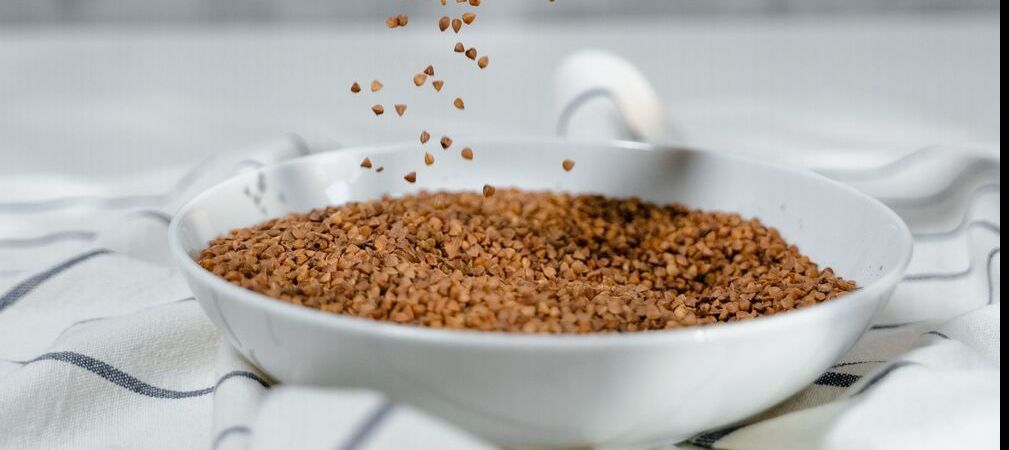
Fenugreek, scientifically known as Trigonella foenum-graecum, is a plant whose leaves and seeds have long been used in cooking. In India, its golden-brown seeds are commonly known as methi dana. Their distinctive aroma, slightly bitter taste and versatility make them a familiar ingredient in dals, curries, spice mixtures and other dishes.
Apart from culinary uses, the benefits of fenugreek are linked to its nutritional composition and naturally occurring bioactive compounds. Fenugreek seeds have been studied for their potential effects on digestion, blood sugar management and heart health. They also have a history of traditional use for supporting breast milk production and hair care.
Top 10 Health Benefits of Fenugreek Seeds
The health benefits of fenugreek extend across several areas as the seeds contain multiple essential nutrients. These components perform different functions in the body, some of which have been discussed below:
1. May Support Blood Sugar Management
Fenugreek seeds contain soluble fibre, which can slow digestion and carbohydrate absorption. This helps glucose enter the bloodstream more gradually after meals, limiting rapid changes in blood sugar. Fenugreek may also support insulin sensitivity and glucose metabolism. These properties explain why blood sugar management is among the frequently discussed fenugreek seeds benefits, particularly among individuals with type 2 diabetes.
That said, consuming fenugreek seeds should not be viewed as a replacement for diabetes medication.
2. May Support Digestive Health
Because fenugreek seeds are high in fibre, they can support regular bowel movements and soften stools by absorbing water. This can help ease occasional constipation and promote smoother digestion. Fenugreek seeds may also help with concerns such as bloating and indigestion. Digestive support is therefore one of the practical methi seeds benefits.
However, if you are experiencing frequent digestion issues, it is best to consult a doctor for proper diagnosis and treatment.
3. May Promote Healthier Hair
Fenugreek seeds contain protein, iron and antioxidants, nutrients that can contribute to scalp and hair health. Soaked seeds can also be ground into a paste and used in a hair mask. Such preparations may help nourish the scalp, improve hair quality, add shine and reduce hair damage. Fenugreek seeds also have inflammation-blocking properties that can minimise scalp irritation.
If you are experiencing persistent hair fall, scalp irritation or other hair-related concerns, it is best to consult a dermatologist rather than relying solely on home remedies.
4. May Contribute to Heart Health
This is one of the leading fenugreek benefits. Fenugreek contains soluble fibre and antioxidants, giving the seeds properties that may contribute to cardiovascular wellness. Soluble fibre can influence how fat and cholesterol are handled in the digestive tract, while antioxidants can help protect cells against oxidative damage. Fenugreek may consequently support healthier cholesterol levels and overall heart function.
Fenugreek should not replace prescribed medication or treatment for high cholesterol or cardiovascular conditions. Consult your doctor if you have existing heart-related concerns.
5. May Help with Weight Management
Among the many benefits of fenugreek, weight management is well known. Its fibre content can promote satiety by helping individuals feel full for longer after eating. A longer-lasting feeling of fullness may reduce hunger pangs and help manage overall food intake. Fibre can also slow digestion, which contributes to this effect. Consequently, appetite management can lead to weight management.
Fenugreek alone is unlikely to produce significant weight loss. For personalised guidance, particularly if you have an underlying health condition, consult a qualified dietitian or healthcare professional.
6. May Provide Antioxidant Support
Fenugreek seeds contain antioxidants, which can help protect cells against damage caused by free radicals. When free radicals accumulate, they can contribute to oxidative stress and interfere with normal cellular functions. Antioxidant compounds help prevent such activity, supporting the body's natural protective processes. This makes antioxidant support another notable aspect of fenugreek seeds benefits.
Although fenugreek contains antioxidant compounds, more human research is needed to establish their specific health effects. It should not be relied upon to prevent or treat medical conditions.
7. May Support Breast Milk Production
Fenugreek has traditionally been used as a galactagogue, a substance used to support breast milk production. The seeds contain phytoestrogens that may have oestrogen-like activity and stimulate milk production. Certain preparations containing fenugreek seeds may therefore be helpful for breastfeeding mothers. This is one of the better-known traditional benefits of fenugreek.
Evidence regarding fenugreek's effectiveness in increasing breast milk supply is, however, mixed. Breastfeeding mothers should consult a doctor or lactation consultant before using fenugreek supplements.
8. May Support Skin Health
Fenugreek contains antioxidants and nutrients that may help maintain healthy skin. Antioxidants can offer protection to cells against oxidative damage, while adequate nutrition supports normal skin functions. Fenugreek-based preparations are also used to help maintain skin hydration and texture. These properties make skin wellness one of the commendable fenugreek benefits.
However, research on the direct benefits of fenugreek for skin health is limited. If you experience persistent dryness, irritation, acne or other skin concerns, consult a dermatologist rather than relying solely on home remedies.
9. May Help with Inflammation
Inflammation is at times normal. However, persistent inflammation can affect normal functions. Fenugreek contains plant compounds such as flavonoids and alkaloids, which are associated with anti-inflammatory activity. These could help manage symptoms of certain inflammation-related conditions. Such activities contribute to the range of fenugreek seeds benefits.
Most evidence for fenugreek's anti-inflammatory effects comes from laboratory or animal studies. Anyone experiencing persistent inflammation, joint pain or related symptoms should seek medical evaluation rather than using fenugreek as a treatment.
10. May Support Women's Wellness
Fenugreek has traditionally been used for women's wellness, including menstrual comfort and lactation. Some naturally occurring constituents, such as diosgenin, are associated with hormonal activity, which may contribute to these uses.
Fenugreek's effects on hormonal and menstrual health are not yet well established. Women experiencing persistent menstrual concerns or hormonal symptoms should consult a gynaecologist, while pregnant women should avoid concentrated fenugreek supplements unless advised otherwise.
Nutritional Value of Fenugreek Seeds
Fenugreek seeds contain dietary fibre, protein and essential minerals such as iron, magnesium and manganese. The table below provides the approximate nutritional value of one tablespoon (11 grams) of whole fenugreek seeds.
Nutrient | Amount per 11 g |
Calories | 35 kcal |
Carbohydrates | 6 g |
Dietary Fibre | 3 g |
Protein | 3 g |
Total Fat | 1 g |
Iron | 3.72 mg |
Manganese | 0.137 mg |
Magnesium | 21.2 mg |
Key Facts About Fenugreek Seeds
Here are some key facts about fenugreek seeds:
Distinctive Maple Syrup-Like Aroma: Fenugreek seeds contain sotolon, a natural compound responsible for their sweet, maple-like aroma.
Thousands of Years of History: Fenugreek has been used since ancient times in Egyptian, Indian and Mediterranean cultures for culinary and traditional medicinal purposes.
Natural Gel-Forming Properties: Fenugreek seeds contain galactomannan, a soluble fibre that absorbs water and forms a gel-like substance.
Bitterness That Changes with Preparation: Fenugreek seeds contain naturally bitter compounds, including saponins. Soaking, sprouting or roasting can alter their flavour.
How to Consume Fenugreek Seeds?
Fenugreek seeds have a prominent bitter flavour. However, the right preparation can make it easier to incorporate them into different foods and drinks. The following are some ways to add this beneficial ingredient to your diet:
Use whole seeds: Add fenugreek seeds in small quantities as a spice while preparing curries and other savoury dishes.
Prepare fenugreek tea: Rinse the seeds, add about one teaspoon to some boiling water, steep for around three minutes and strain before drinking.
Use fenugreek powder: Add the powder to preparations such as yoghurt, water, tea, bread or homemade pickles.
Soak the seeds: Soak fenugreek overnight to soften the seeds, making them easier to chew and digest.
Use them in cooking: Prepare Indian, Middle Eastern and North African dishes, as the seeds’ distinctive flavour can complement these cuisines.
Is Soaked Fenugreek Better Than Dry Fenugreek Seeds?
Soaking can make fenugreek seeds softer and easier to chew and digest. This does not indicate that soaked seeds are superior to dry seeds. Soaked seeds can be beneficial when consumed before meals, as they can reduce bloating, regulate blood sugar, support joint health, improve skin health, and improve cholesterol levels.
Ultimately, whether you consume fenugreek seeds dry or soaked depends on individual preference, as both offer various health benefits.
What is the Best Time to Consume Fenugreek Seeds?
Fenugreek seeds can be soaked in water at night and consumed in the morning. However, there is no single time that works for every use. For instance, when fenugreek is consumed as a supplement, timing and quantity can depend on the formulation and intended purpose.
Possible Side Effects of Fenugreek
Fenugreek used in ordinary culinary quantities may be well tolerated by most individuals. Larger quantities and concentrated preparations can produce different effects. Possible fenugreek side effects include:
Digestive discomfort: High intake can cause diarrhoea, loose stools, gas, bloating or stomach cramps in some individuals.
Low blood sugar: Excessive intake, particularly alongside blood sugar-lowering medicines, may contribute to hypoglycaemia and symptoms such as dizziness, sweating or fatigue.
Allergic reactions: Individuals sensitive to legumes may experience reactions such as rashes, nasal congestion, facial swelling or breathing difficulty.
Nausea or light-headedness: Concentrated preparations such as powders, capsules and extracts may cause these effects in some individuals.
Body odour changes: Fenugreek can produce a distinctive sweet smell in sweat, urine or breast milk.
Medication interactions: Fenugreek may interact with blood thinners and medicines used for diabetes or thyroid conditions.
Pregnancy considerations: High quantities may stimulate uterine contractions, making concentrated supplementation inappropriate without professional guidance.
Respiratory irritation: Inhaling powdered fenugreek may cause coughing or breathing discomfort in sensitive individuals.
Importance of Health Insurance
Fenugreek seeds may be a small addition to your daily diet, but their fibre and nutrient content can support your overall well-being. However, eating healthy is only one part of looking after yourself. Medical emergencies and unexpected illnesses can arise despite your best efforts, often bringing substantial treatment expenses. Having suitable health insurance plans can help you manage medical costs, while options such as Critical Illness Cover can offer additional financial protection against specified serious illnesses.
For those looking for greater flexibility, SBI General Health Alpha offers customisable coverage to suit different healthcare needs and budgets. Policyholders can also access 19,000+ network hospitals across India and receive 24×7 customer support through the SBI General Insurance app. After all, taking care of your health is not just about the choices you make every day, but also about being financially prepared for the unexpected.
Disclaimer: Coverage depends on the policy terms, limits and exclusions. Please review the policy wording for details.
Conclusion
Fenugreek's usefulness extends from the spice box to several different preparations, including soaked seeds, powders and teas. Understanding how each form is used can help individuals select an option based on taste, texture and intended culinary purpose rather than following a single routine.
The seeds' distinctive bitterness can also encourage experimentation with preparation methods. Soaking can soften them, while cooking them with other ingredients can integrate their flavour more subtly. Exploring these approaches can make fenugreek easier to use in familiar meals while allowing you to determine which preparation suits your preferences and requirements.
FAQs
1. What are the main health benefits of fenugreek?
Fenugreek may support blood sugar management, digestion, heart health, weight management and antioxidant activity. Its fibre, protein, minerals and plant compounds contribute to the various benefits of fenugreek.
2. How does fenugreek help in managing diabetes?
Its soluble fibre can slow carbohydrate digestion and absorption, which may moderate the rise in blood glucose after meals. Fenugreek may also support insulin sensitivity and glucose metabolism.
3. Can fenugreek aid in weight loss?
Yes. Fenugreek's fibre can promote fullness and may help individuals manage appetite and overall food intake. Weight management, however, also depends on broader dietary and lifestyle factors.
4. Is fenugreek beneficial for breastfeeding mothers?
Fenugreek has traditionally been used to support breast milk production and may increase milk supply in some mothers. Individual requirements can differ.
5. Does fenugreek have anti-inflammatory properties?
Fenugreek contains compounds associated with anti-inflammatory activity. These compounds may help moderate inflammatory processes and contribute to the wider potential fenugreek benefits.
6. What is the nutritional value of fenugreek seeds?
One tablespoon of whole fenugreek seeds provides approximately 35 calories, 3 g each of protein and fibre, 6 g of carbohydrates and 1 g of fat. The seeds also contain iron, manganese and magnesium.
7. Who should avoid consuming fenugreek?
Pregnant individuals and those taking medicines for diabetes, thyroid conditions or blood thinning should seek professional guidance before consuming concentrated fenugreek preparations. People with legume allergies should also watch for possible allergic reactions.
This blog is intended solely for educational and informational purposes. Content reflects data at time of publication and may not accurately reflect current premiums, terms, or regulations. Readers are encouraged to confirm the accuracy and relevance of the data before making any significant decisions. SBI General Insurance disclaims responsibility for any errors or consequences arising from the use of outdated information provided herein. For more details, please refer to the policy wordings and prospectus before concluding the sales. *Add-ons are subject to payment of additional premium.
Access and manage all your Insurance Needs in one place, right at your Fingertips.




4/5*
Access and manage all your Insurance Needs in one place, right at your Fingertips.



Vision
Our vision is to become the most trusted general insurer for a transforming India.
Mission
Our mission is to provide simple and innovative general insurance solutions, be responsive to our customers' needs and build a sustainable business for the future.
We're socially active!