


 Contact Us



 Other Insurance
Harad (Haritaki): Potential Health Benefits, Uses and Side Effects
Date: Nov 6, 2026 - Last Modified Nov 6, 2026


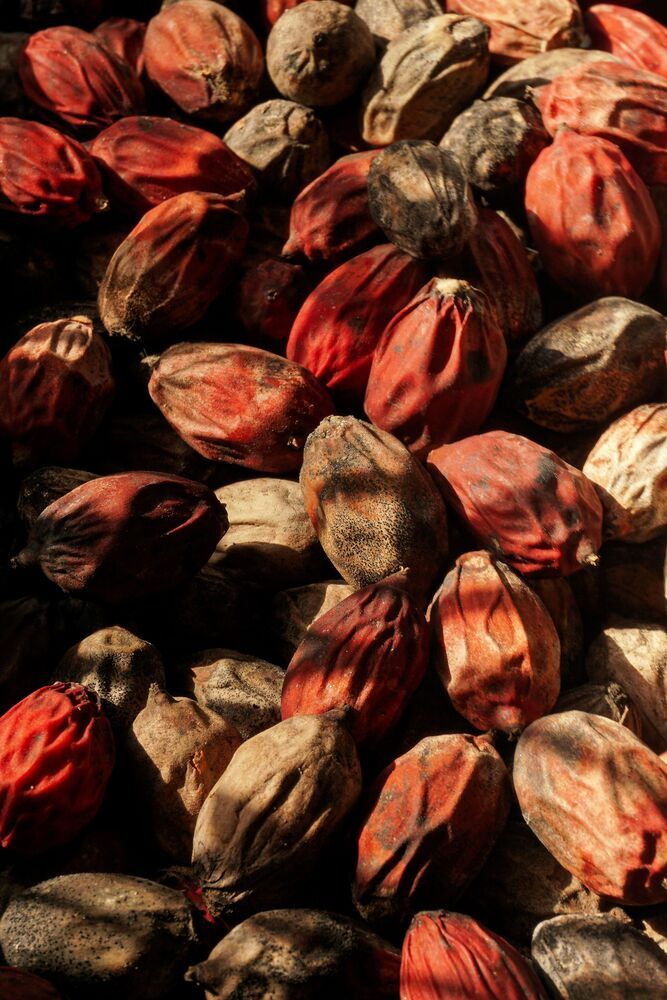
Harad comes from the fruit of the Terminalia chebula tree. Once collected and dried, the fruit can be used whole or ground into a fine, brownish powder, commonly known as harad churna.
The fruit contains several naturally occurring plant compounds, including tannins, gallic acid, chebulagic acid and other polyphenols. Researchers have been studying these compounds for their possible antioxidant and other biological effects.
In Ayurveda, harad has traditionally been used for digestive discomfort, bowel regularity and certain respiratory concerns. However, not all these uses have been confirmed through scientific research. While a few small human studies have explored its effects on oral health and certain metabolic markers, much of the available evidence still comes from laboratory and animal studies.
Harad is also available in different forms, including choti harad, which generally refers to a smaller or immature form of the fruit. Although you may come across separate claims about choti harad benefits, there is currently little clinical research comparing its effects with those of other forms of harad.
Top 10 Health Benefits of Harad
Harad has been associated with several health benefits in traditional medicine. Some of these uses have attracted scientific interest, while others still need more research to establish their effectiveness.
Here are 10 potential harad benefits and what the available evidence suggests.
1. May Support Regular Bowel Movements
Constipation can cause considerable discomfort, particularly when bowel movements become infrequent or difficult. Harad has traditionally been used in Ayurveda to help with constipation and sluggish digestion.
Some small clinical studies and earlier research suggest that preparations containing Terminalia chebula may help promote bowel movements.
However, there is not enough strong evidence to establish how effective harad is for constipation or what dosage would be appropriate. If constipation continues or occurs frequently, it is better to seek medical advice rather than depend on herbal remedies alone.
2. May Help with Digestive Discomfort
Bloating, gas and indigestion are common digestive complaints. Harad has traditionally been used in Ayurvedic preparations intended to ease such discomfort.
Although its use for digestive health is well documented in traditional medicine, scientific studies have not yet established whether harad can reliably relieve individual symptoms such as gas or bloating.
It is also important not to overlook persistent digestive problems. Frequent abdominal pain, unexplained weight loss or ongoing changes in bowel habits should be discussed with a healthcare professional.
3. May Support Oral Hygiene
Good oral hygiene involves more than keeping teeth clean. Looking after your gums and managing plaque buildup are also important for maintaining oral health.
Interestingly, oral hygiene is one area where harad has been studied in humans. Some small randomised clinical trials found that mouth rinses containing Terminalia chebula helped reduce dental plaque and gum inflammation.
However, these studies used specially prepared mouth rinses rather than ordinary harad powder. The findings cannot be assumed to apply to every harad product.
Brushing twice daily with fluoride toothpaste, cleaning between the teeth and attending regular dental check-ups remain important for oral health.
4. Contains Compounds with Antioxidant Activity
The body naturally produces free radicals during everyday processes. When these unstable molecules accumulate in excess, they can contribute to oxidative stress and damage cells.
Harad contains several plant compounds, including tannins and polyphenols, that have shown antioxidant activity in laboratory studies.
These findings have encouraged researchers to explore the fruit's possible health effects. However, antioxidant activity observed in a laboratory does not necessarily mean that consuming harad can prevent diseases or protect the body from oxidative damage.
5. May Influence Certain Heart Health Markers
Heart health depends on several factors, including blood pressure, cholesterol levels, blood sugar management and everyday lifestyle habits.
Researchers have explored whether harad may influence some markers associated with cardiovascular health.
In a small randomised controlled study involving adults with type 2 diabetes, participants taking a standardised Terminalia chebula extract showed improvements in certain measures of blood vessel function and cardiovascular risk markers over 12 weeks.
While these results are worth exploring further, they do not establish harad as a treatment for heart disease. Larger studies are needed to understand its effects and long-term safety.
6. May Have Anti-Inflammatory Properties
Inflammation is a natural part of the body's response to injury and infection. However, inflammation that continues over time can be associated with several health conditions.
Some laboratory studies have examined compounds found in harad for their possible effects on inflammatory processes. Researchers have observed changes in certain inflammatory markers under experimental conditions.
Small clinical research has also explored markers related to inflammation and oxidative stress.
Although these findings suggest possible anti-inflammatory activity, there is not enough evidence to recommend harad for treating conditions such as arthritis or other inflammatory disorders.
7. May Support Skin Health
Harad is not just studied for its traditional internal uses. Researchers have also explored whether certain extracts from the fruit could be useful in skincare formulations.
In one small clinical study, a skincare product containing standardised Terminalia chebula extract showed improvements in measures such as skin hydration, texture, tone and firmness.
However, this does not mean that applying ordinary harad powder to the face will produce the same results. The study examined a specially formulated product, and its findings cannot be extended to homemade preparations.
Anyone considering herbal skincare products should also be mindful of possible irritation, particularly if they have sensitive skin.
8. May Have Potential Benefits for Respiratory Health
Harad has traditionally been used in Ayurvedic preparations for coughs and throat-related discomfort.
Some animal studies have examined compounds extracted from the fruit and reported cough-suppressing activity under experimental conditions.
However, there is not enough reliable human research to confirm whether harad can help relieve coughs or other respiratory symptoms.
A cough that persists, worsens or occurs alongside fever, chest pain or breathing difficulties should be medically evaluated rather than managed with herbal remedies alone.
9. May Influence Blood Sugar and Cholesterol Levels
Managing blood sugar and cholesterol levels is particularly important for people with diabetes or certain metabolic health concerns.
Some studies involving standardised harad extracts have explored their possible effects on blood glucose and cholesterol-related markers, including research involving people with type 2 diabetes.
Although certain findings have been encouraging, the evidence remains limited. It is not yet clear whether ordinary harad powder would produce similar effects.
People taking diabetes medication should also be cautious, as harad may influence blood sugar levels. It should not replace prescribed medicines, dietary advice or other recommended diabetes management measures.
10. Is an Ingredient in the Traditional Triphala Formula
If you have heard of Triphala, you may already be familiar with harad without realising it.
Triphala is a traditional Ayurvedic formulation made using three fruits: harad, amla and bibhitaki. It has long been used in preparations associated with digestive health and general well-being.
Disclaimer: Researchers have studied Triphala for several potential health effects. However, many of these uses still lack strong human evidence. It is also important to remember that Triphala contains three ingredients. Any findings from studies involving the complete formulation cannot automatically be attributed to harad alone.
Key Facts About Harad
Harad has been used in traditional Indian medicine for centuries, but there is more to this fruit than its Ayurvedic history. Here are some interesting facts about harad that you may not know:
Also known as haritaki: Harad is the dried fruit of the Terminalia chebula tree. It is also called chebulic myrobalan and is widely recognised in Ayurvedic medicine.
An important ingredient in Triphala: Harad is one of the three fruits used to prepare Triphala, a traditional Ayurvedic formulation that also contains amla and bibhitaki.
Available in different forms: Harad is commonly sold as whole dried fruit, powder (churna), capsules and herbal extracts. The concentration of plant compounds may vary between preparations.
Contains naturally occurring plant compounds: Harad contains tannins, gallic acid, chebulagic acid and other polyphenols. Some of these compounds have shown antioxidant activity in laboratory studies.
Choti harad is a smaller form of harad: Choti harad generally refers to a smaller or immature form of the same fruit. While choti harad benefits are often discussed in traditional medicine, there is limited scientific evidence to suggest that it offers different or greater health benefits than other forms of harad.
Side Effects and Precautions of Harad
Just because an ingredient is natural or has been used for generations does not mean it is suitable for everyone. Harad may cause unwanted effects in certain situations, and reliable information about its long-term safety is still limited.
Here are some precautions worth keeping in mind:
Digestive discomfort: Harad may have a laxative effect, which could worsen loose stools or diarrhoea in some people.
Dehydration: People who are already dehydrated should be cautious about using products that may increase bowel movements and fluid loss.
Pregnancy: There is not enough reliable information to establish the safety of oral harad during pregnancy. Avoiding its use is generally advised.
Breastfeeding: Its safety during breastfeeding has not been adequately studied, so it is best to avoid use unless advised by a healthcare professional.
Diabetes medication: Harad may influence blood glucose levels. People taking blood sugar-lowering medicines should consult their doctor before using it.
Before surgery: Since harad may affect blood sugar regulation, medical guidance recommends stopping its use at least two weeks before a scheduled surgery.
Product quality: Herbal powders and extracts can vary in purity, concentration and quality. Choosing products from reliable manufacturers is important.
Long-term consumption: There is limited scientific information about the safety of taking harad regularly over extended periods.
If you experience persistent diarrhoea, signs of dehydration, an allergic reaction or any other concerning symptoms after taking harad, stop using it and seek medical advice.
Importance of Health Insurance
Traditional remedies like harad continue to be part of many people's approach to health and wellness. If you prefer Ayurveda or other traditional systems of medicine, you may also want health insurance that accommodates these treatment preferences. Super Health Insurance by SBI General Insurance offers AYUSH Treatment Cover, which covers eligible inpatient hospitalisation expenses for treatments under Ayurveda, Yoga and Naturopathy, Unani, Siddha and Homeopathy at qualifying AYUSH hospitals.
Along with AYUSH Treatment Cover, the plan offers benefits such as inpatient hospitalisation coverage, eligible pre- and post-hospitalisation expenses and 24×7 customer support for insurance-related assistance. Whether you prefer conventional medical care or recognised traditional treatments, having suitable health insurance can help you prepare financially for unexpected medical expenses.
Disclaimer: Coverage depends on the policy terms, limits and exclusions. AYUSH treatments, consultations and medicines may not be covered under every plan. Please review the policy wording for details.
Conclusion
Harad has been part of Ayurvedic medicine for centuries, particularly in preparations associated with digestion and general well-being. Modern research has begun exploring its potential effects on oral health, skin, inflammation and certain metabolic markers.
However, many harad powder benefits are still being studied, and findings from laboratory experiments or small clinical trials do not necessarily apply to everyday use.
If you are considering harad powder or another herbal preparation, pay attention to the product's ingredients, strength and intended use. It is also advisable to seek medical guidance, particularly if you have an existing health condition, take regular medication or are pregnant or breastfeeding.
Note: The given information has been compiled from digitally available resources and is indicative in nature. Individuals are advised to verify information with the concerned medical authorities before proceeding.
FAQs
1.How does harad support immune health?
Harad contains several naturally occurring plant compounds, including polyphenols, that have shown antioxidant activity in laboratory studies. It has also traditionally been associated with immune support. However, there is limited human research to confirm that consuming harad improves immunity. A balanced diet, adequate sleep, vaccination and appropriate medical care remain important for maintaining health.
2. Can harad aid in detoxification?
Harad is sometimes described as a cleansing herb in traditional medicine. However, there is no strong scientific evidence that taking harad removes toxins from the body. The liver, kidneys and other organs already perform this function naturally. Although harad may influence bowel movements, this should not be confused with a medically proven detoxification effect.
3. Does harad improve skin health?
Some early research suggests that certain harad extracts may have potential applications in skincare. A small clinical study involving a product containing standardised Terminalia chebula extract reported improvements in skin hydration, texture and tone. However, these findings do not establish that ordinary harad powder provides the same benefits, particularly when applied directly to the skin.
4. Is harad beneficial for respiratory health?
Harad has traditionally been used in preparations for coughs and throat discomfort. Some animal studies have reported cough-suppressing activity from compounds extracted from the fruit. However, human evidence remains limited, and harad should not replace appropriate treatment for respiratory conditions. Persistent coughing, wheezing or breathing difficulties should be assessed by a healthcare professional.
5. What is the difference between harad and triphala?
Harad is the dried fruit of the Terminalia chebula tree, while Triphala is a traditional Ayurvedic formulation made from three fruits: harad, amla and bibhitaki. Although harad is one of its ingredients, Triphala contains other plant compounds as well. Therefore, the results of studies involving Triphala cannot automatically be attributed to harad alone.
6. Who should avoid taking harad?
Pregnant and breastfeeding women are generally advised to avoid harad because reliable safety information is lacking. People with diarrhoea, dehydration or those taking diabetes medication should also consult a healthcare professional before using it. Medical advice is particularly important before surgery or when considering harad for long-term use.
This blog is intended solely for educational and informational purposes. Content reflects data at time of publication and may not accurately reflect current premiums, terms, or regulations. Readers are encouraged to confirm the accuracy and relevance of the data before making any significant decisions. SBI General Insurance disclaims responsibility for any errors or consequences arising from the use of outdated information provided herein. For more details, please refer to the policy wordings and prospectus before concluding the sales. *Add-ons are subject to payment of additional premium.
Access and manage all your Insurance Needs in one place, right at your Fingertips.




4/5*
Access and manage all your Insurance Needs in one place, right at your Fingertips.



Vision
Our vision is to become the most trusted general insurer for a transforming India.
Mission
Our mission is to provide simple and innovative general insurance solutions, be responsive to our customers' needs and build a sustainable business for the future.
We're socially active!