


 Contact Us


 Other Insurance
Health Benefits of Jowar
Date: Sep 28, 2026 - Last Modified Sep 28, 2026


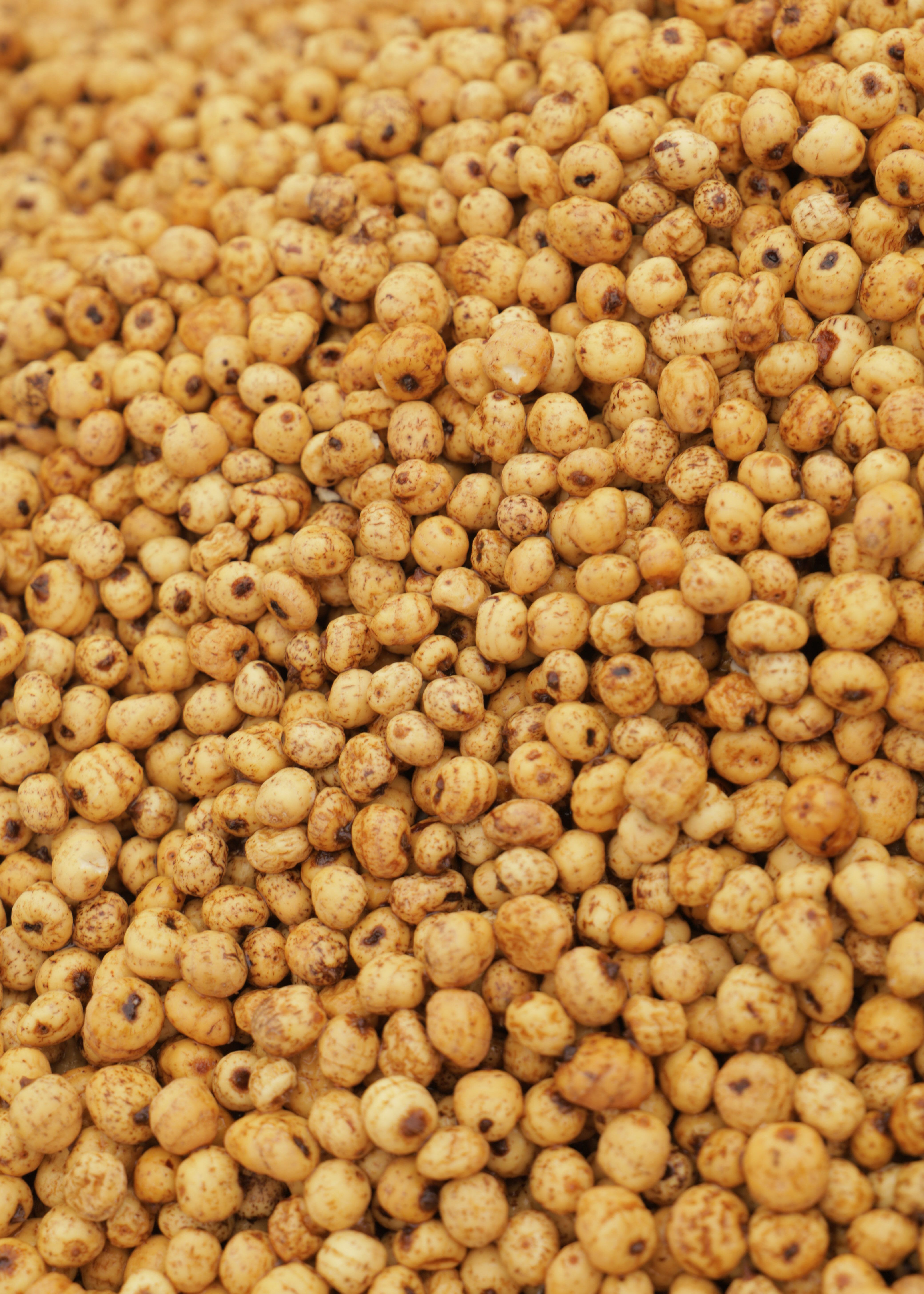
Did you know sorghum, commonly known as jowar in India, is the world’s fifth most important cereal by production and area planted? This widely cultivated grain belongs to the grass family and can be cooked whole, popped, or milled into flour for rotis and other dishes. Jowar is naturally gluten-free, making it a good option for people who need to avoid gluten.
Jowar's benefits come from its combination of complex carbohydrates, dietary fibre, plant protein, iron, magnesium, phosphorus, B vitamins, and antioxidant plant compounds. For Indian households, a practical jowar atta benefit is that the flour can replace or complement wheat flour in everyday meals without requiring a different way of eating.
Top 10 Health Benefits of Jowar
The nutritional value of jowar is easier to appreciate when its nutrients are connected with what they actually do in the body. The jowar roti benefits below are therefore best understood as contributions to a balanced diet rather than promises that one grain can prevent or treat disease.
1. Provides Useful Dietary Fibre
Whole-grain jowar contains dietary fibre, which adds bulk to stools and can support regular bowel movements. Fibre also slows digestion and may make a meal feel more satisfying. This can be useful when the everyday diet relies heavily on refined grains, since replacing some refined foods with whole-grain choices increases overall fibre intake.
2. May Support More Balanced Blood Sugar Responses
Sorghum contains fibre, resistant starch and starches that can be digested more slowly than those in some refined cereals. Research on sorghum and other millets suggests that these foods may produce a lower post-meal glucose response in certain settings. The final effect still depends on processing, portion size and what else is eaten with the meal.
3. Can Help Meals Feel Filling
One of the jowar roti benefits for someone trying to manage portions is that fibre and slower-digesting carbohydrates may help a meal remain satisfying for longer. Greater satiety can make frequent snacking less tempting. However, change in weight depends on total food intake, activity, sleep and other lifestyle factors rather than the choice of one flour.
4. Supplies Plant-Based Protein
Jowar contributes plant protein, which the body uses to maintain muscles and other tissues and to make enzymes and several important compounds. Sorghum protein can be less digestible than protein from some other grains, so variety still matters. Pairing jowar roti with dal, curd, beans, or other protein source can create a more balanced meal.
5. Provides Important Minerals
Jowar supplies minerals including magnesium, iron, phosphorus, potassium and manganese. Magnesium supports normal muscle and nerve function, while iron is required for haemoglobin, which carries oxygen in the blood. These nutrients are one reason the jowar flour benefits extend beyond simply providing carbohydrates and energy.
6. Can Fit into Heart-Friendly Diet
The fibre, unsaturated lipids and plant compounds in whole-grain sorghum have attracted research for their possible effects on blood lipids and cardiovascular risk factors. Human evidence is still developing, so jowar should not be considered a cholesterol treatment. The practical jowar roti benefits are more meaningful within a diet rich in vegetables, pulses, fruit and other whole foods.
7. Provides Antioxidant Plant Compounds
Sorghum contains phenolic compounds, with some coloured varieties providing particularly high concentrations of antioxidants. These substances help the body manage oxidative processes that can damage cells when they become excessive. Laboratory and animal research is encouraging, although human evidence remains more limited and does not show that jowar alone prevents particular diseases.
8. Offers a Naturally Gluten-Free Grain
Jowar does not naturally contain gluten. This makes it a useful cereal option for people with coeliac disease or medically diagnosed gluten sensitivity. Cross-contact can still occur during harvesting, milling, transport or packaging, so people who need to avoid gluten strictly should select products specifically tested or labelled gluten-free.
9. Adds Variety to Whole-Grain Meals
Eating the same grain at almost every meal can make the diet unnecessarily narrow. Jowar can be combined with wheat, rice, ragi, bajra and other grains according to individual requirements. The jowar benefits add a different combination of fibre, nutrients and plant compounds.
10. Used for Making Variety of Recipes
The jowar flour benefits are not limited to one type of flatbread. The flour can be used in bhakri, savoury pancakes, dosa-style batters and selected baked foods, while whole sorghum can also be cooked or popped. This flexibility makes it easier to add the grain to the diet without eating the same meal repeatedly.
Nutritional Value of Jowar
Jowar provides carbohydrates along with protein, dietary fibre and several important minerals. According to the Indian Food Composition Tables (ICMR-NIN), 100 g of raw jowar contains about 9.97 g of protein, 10.22 g of dietary fibre and 67.68 g of available carbohydrates, providing approximately 334 kcal of energy. Here is a table containing nutritional values of jowar:
Nutrient | Approximate amount per 100 g of raw jowar |
Energy | 334 kcal |
Protein | 9.97 g |
Total fat | 1.73 g |
Dietary fibre | 10.22 g |
Available carbohydrates | 67.68 g |
Calcium | 27.6 mg |
Iron | 3.95 mg |
Magnesium | 133 mg |
Phosphorus | 274 mg |
Potassium | 328 mg |
Zinc | 1.96 mg |
These nutrients contribute to the wider jowar benefits when the grain is included as part of a varied and balanced diet. The nutritional profile also helps explain the jowar atta benefits when the flour is used for rotis, bhakri and other everyday preparations. Actual nutrient intake will vary depending on portion size, processing and how the food is prepared.
Interesting Facts About Jowar
From traditional bhakri to modern gluten-free recipes, jowar has found a place in both everyday Indian meals and newer ways of eating. This versatile grain can be eaten whole, popped or ground into flour.
Naturally gluten-free: Suitable for gluten-free diets when cross-contact is avoided.
Nutrient-rich: Provides carbohydrates, fibre, protein, iron, magnesium and phosphorus.
Contains antioxidants: Jowar has phenolic compounds with antioxidant activity.
Easy to use: It can be prepared as rotis, bhakri, porridge or popped grain.
Glycaemic response can vary: Processing, portion size and meal combinations can influence blood sugar response.
These qualities make jowar an easy grain to include as part of a varied diet.
Side Effects of Jowar
Jowar is generally safe to include in the diet, though a few practical considerations are worth keeping in mind.
Digestive discomfort: Jowar is rich in fibre, and increasing fibre intake substantially may cause temporary acidity, bloating or abdominal discomfort. Consider adding jowar in smaller portions while consuming enough fluids to avoid discomfort.
Food allergy: Sorghum allergy is possible. Signs such as hives, swelling or breathing difficulty require prompt medical attention. Therefore, it is important to consult a qualified health practitioner before adding jowar to your diet.
Gluten cross-contact: Jowar itself is gluten-free, but people with coeliac disease should select appropriately labelled products.
Anti-nutritional compounds: Sorghum can contain phytates, tannins and related compounds that may affect the availability of some nutrients. Soaking, fermentation and other processing methods can alter these compounds.
Portion size: Eating multiple Jowar rotis can add substantial amount of carbohydrate and calories to diet, so the whole meal matters when managing weight or blood glucose.
Individual requirements: People with diabetes, digestive conditions or prescribed diets may benefit from personalised advice rather than assuming one grain suits everyone.
Importance of Health Insurance
A balanced diet, including nutritious grains such as jowar, supports everyday health, but healthy eating cannot eliminate illness, accidents, or unexpected medical treatment. Health insurance plans play an important role by covering eligible healthcare expenses and reducing the financial impact of hospitalisation.
For instance, SBI General Health Alpha is a customisable health insurance plan that lets policyholders build coverage to suit their needs. It includes hospitalisation coverage and offers a range of optional covers. Key features include:
Coverage for in-patient and day care treatments
Pre- and post-hospitalisation medical expenses
AYUSH and domiciliary treatment
Road ambulance, modern treatments and home healthcare
Disclaimer: Coverage, features and benefits are subject to the terms, conditions, exclusions and applicable limits of the policy. Please refer to the policy wording for complete details.
Conclusion
Jowar is a valuable addition to a balanced diet because it provides fibre, plant protein, minerals, and antioxidant compounds and offers a naturally gluten-free whole-grain option. The jowar roti benefits depend on portion size, preparation, and the foods eaten with it. Pairing jowar roti with dal, vegetables, curd, or other protein-rich foods helps create a balanced meal.
Jowar does not need to replace wheat, rice, or other grains completely. Including it in a varied combination of whole grains adds diversity to meals and allows different foods to provide a broader range of nutrients.
FAQs
1. What are the nutritional benefits of jowar?
Jowar provides complex carbohydrates, dietary fibre, plant protein and minerals such as iron, magnesium and phosphorus. It also contains phenolic plant compounds with antioxidant activity. The exact nutrient profile varies with the variety and processing, with whole-grain forms generally retaining more of the grain's natural components.
2. How does jowar help in managing diabetes?
Sorghum-based foods may produce a lower post-meal glucose response than some refined cereal foods because of their fibre, resistant starch and slower starch digestion. People with diabetes should still consider serving size, preparation and the complete meal, while following individual dietary advice where appropriate.
3. Can jowar aid in weight loss?
Jowar's fibre and slower digestion may increase fullness, which can support portion control and reduce unnecessary snacking for some people. It does not directly cause weight loss. Sustainable weight management depends on total energy intake, activity, sleep, underlying health and the wider pattern of foods eaten.
4. Is jowar good for heart health?
Whole-grain sorghum contains fibre, unsaturated lipids and phenolic compounds that may influence cardiovascular risk factors. Human evidence is still developing, so it should not be treated as a heart-disease remedy. Its clearest role is as one whole-grain option within a varied, balanced diet.
5. Does jowar improve digestive health?
Its dietary fibre can add bulk to stools and support regular bowel movements. Some resistant starch may also reach the large intestine. People who are not accustomed to fibre-rich foods should increase their intake gradually because a sudden change can cause temporary gas, bloating or discomfort.
6. Is jowar roti better than wheat roti?
Neither is automatically better for everyone. Jowar is naturally gluten-free and adds useful dietary variety, while whole-wheat roti also provides fibre and nutrients. The more suitable choice depends on medical needs, digestion, overall diet, portion size and personal preference rather than a simple ranking between the two.
This blog is intended solely for educational and informational purposes. Content reflects data at time of publication and may not accurately reflect current premiums, terms, or regulations. Readers are encouraged to confirm the accuracy and relevance of the data before making any significant decisions. SBI General Insurance disclaims responsibility for any errors or consequences arising from the use of outdated information provided herein. For more details, please refer to the policy wordings and prospectus before concluding the sales. *Add-ons are subject to payment of additional premium.
Access and manage all your Insurance Needs in one place, right at your Fingertips.




4/5*
Access and manage all your Insurance Needs in one place, right at your Fingertips.



Vision
Our vision is to become the most trusted general insurer for a transforming India.
Mission
Our mission is to provide simple and innovative general insurance solutions, be responsive to our customers' needs and build a sustainable business for the future.
We're socially active!