


 Contact Us


 Other Insurance
Health Benefits of Lettuce
Date: Sep 28, 2026 - Last Modified Sep 28, 2026


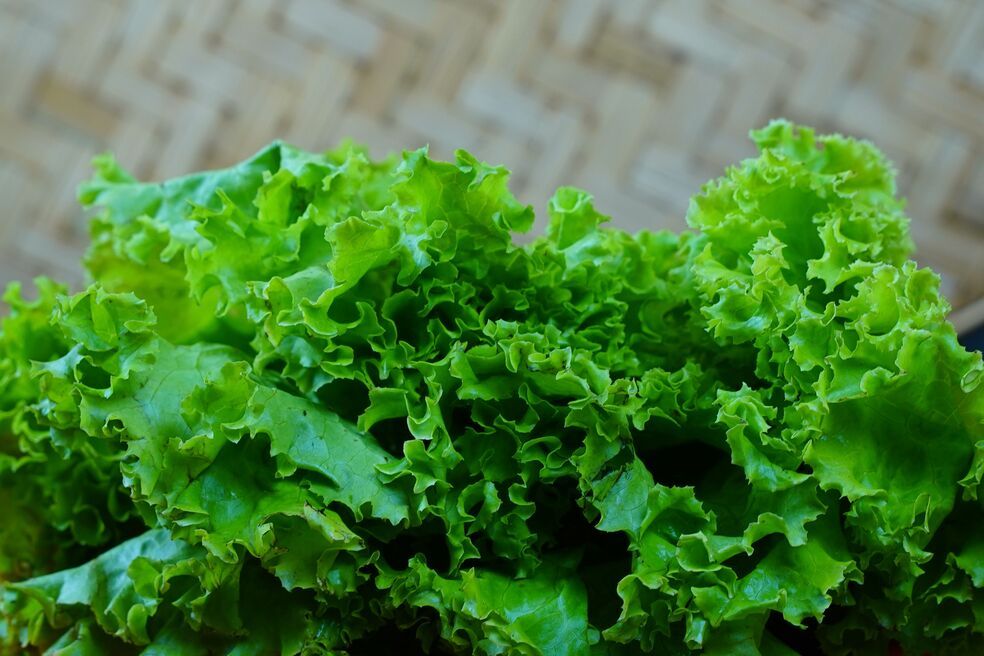
Lettuce is made up of about 95% water, making it one of the most hydrating leafy vegetables you can add to your plate. Crisp, refreshing and easy to pair with different foods, it also provides vitamins, minerals and antioxidants while being naturally low in calories.
The potential lettuce benefits range from supporting hydration to providing nutrients involved in normal body functions. However, the health benefits of lettuce can vary depending on the variety, with darker types generally providing more of certain nutrients than lighter varieties.
Top 10 Health Benefits of Lettuce
Lettuce is mostly known for adding freshness and crunch to a meal, but there is more tucked inside those leaves. Its water, fibre, vitamins, minerals and antioxidants each have a role to play. Here is a closer look at the health benefits of lettuce:
1. Helps You Stay Hydrated
Lettuce is around 94% to 95% water, so eating it adds to the fluids you get throughout the day. That matters because water is involved in everything from regulating body temperature to carrying nutrients around the body. Lettuce will not replace your daily glass of water, but it is an easy way to get a little extra hydration from your food.
2. Keeps Digestion Moving
The fibre in lettuce adds bulk to stools, while its high water content helps keep them soft and easier to pass. Fibre also supports the environment in which beneficial gut bacteria live. This combination of fibre and water is why better digestive regularity is counted among the potential lettuce benefits.
3. Can Make Weight-conscious Meals More Filling
A generous portion of lettuce adds volume to a meal without adding many calories. Its water and fibre can also help you feel fuller, making it easier to build satisfying meals while keeping an eye on calorie intake. That said, lettuce does not burn fat or cause weight loss on its own. What matters is how it fits into your weight management diet and lifestyle.
4. Gives Your Heart Nutritional Support
Lettuce brings several heart-friendly nutrients to the plate. Here’s how:
Potassium helps the body manage sodium and maintain normal blood pressure
Fibre supports healthy cholesterol levels
Antioxidants such as vitamin C and beta-carotene also help protect cells from oxidative damage
Together, these nutrients make heart health one of the potential health benefits of lettuce.
5. Provides Nutrients Your Bones Need
Vitamin K is an important part of lettuce nutrition, particularly in darker varieties. It is needed for proteins involved in building and maintaining bone tissue. Lettuce also contains some calcium, another mineral essential for bone structure. Since a serving of lettuce cannot provide everything your bones need, it is best paired with foods rich in calcium, protein and vitamin D.
6. Adds Eye-Friendly Nutrients to Your Diet
Darker lettuce leaves contain beta-carotene, which the body can turn into vitamin A. Vitamin A helps maintain the surface of the eye and is especially important for seeing normally in low-light conditions. Lettuce also contains lutein and zeaxanthin, two carotenoids found in the retina that help filter potentially harmful light.
7. Supports the Body's Natural Defences
Lettuce provides vitamin C, beta-carotene and other antioxidant compounds. Vitamin C supports normal immune-cell activity, while vitamin A, produced from beta-carotene, helps maintain the skin and mucous membranes that form part of the body's first line of defence. Antioxidants provide another layer of support by helping protect cells from oxidative stress.
8. Fits Easily into a Blood Sugar-Conscious Diet
Lettuce is low in carbohydrates and contains fibre, making it a useful addition to meals when managing carbohydrate intake. Fibre slows digestion, which can help moderate how quickly glucose from the rest of a meal enters the bloodstream. Adding lettuce to a sandwich, wrap or salad can also make the meal feel more substantial without adding many carbohydrates.
9. Provides Nutrients Involved in Brain Function
Among the nutrients found in lettuce is folate, a B vitamin needed for DNA production and normal nervous-system function. Its antioxidants also help protect cells from oxidative stress. Lettuce is not a food that can prevent memory loss or neurological conditions, but it can contribute useful nutrients to a varied diet that supports normal brain function. Please note, lettuce provides supportive nutrients but might not directly contribute to enhancement of brain function or cognition.
10. Gives Your Skin Nutritional Support
Healthy skin needs more than what you put on it. Lettuce provides vitamin A for normal skin-cell maintenance and vitamin C, which the body needs to produce collagen. Its antioxidants help protect cells from oxidative stress, while all that water contributes to your overall hydration. These qualities add skin health to the list of potential lettuce benefits.
Nutritional Value of Lettuce
The nutritional profile of lettuce varies depending on the variety. The table below compares the nutrients found in one cup of chopped lettuce across four common varieties.
Nutrient | Iceberg lettuce | Butterhead lettuce | Red leaf lettuce | Romaine lettuce |
Calories | 10 kcal | 7 kcal | 4 kcal | 8 kcal |
Protein | 1 g | 1 g | 0 g | 1 g |
Fat | 0 g | 0 g | 0 g | 0 g |
Carbohydrates | 2 g | 1 g | 1 g | 2 g |
Fibre | 1 g | 1 g | 0 g | 1 g |
Sugar | 1 g | 1 g | 0 g | 1 g |
Vitamin A | 7% DV | 36% DV | 42% DV | 82% DV |
Other nutrients | Small amounts of vitamin C and iron | Small amounts of vitamin C, iron and calcium | Small amounts of vitamin C and iron | Small amounts of vitamin C, iron and calcium |
Note:
DV refers to Daily Value.
Nutritional content can vary depending on the variety, serving size and growing conditions.
Key Facts About Lettuce
Here are some key facts about lettuce:
It belongs to the sunflower family: Lettuce may look very different from a sunflower, but both belong to the botanical family Asteraceae.
Ancient Egyptians grew it over 4,000 years ago: Lettuce was one of the earliest cultivated leafy vegetables and was first grown in ancient Egypt before becoming popular with the Greeks and Romans.
How iceberg lettuce got its name: Before refrigerated transport, lettuce was shipped across America packed under large amounts of ice, inspiring the name “iceberg lettuce.”
Different varieties offer different nutrients: Romaine, butterhead, iceberg and red leaf lettuce all have distinct textures and nutritional profiles, with darker leafy varieties generally containing higher amounts of nutrients such as vitamin A and antioxidant compounds.
How to Add Lettuce to Your Diet?
Lettuce does not have to be limited to salads. Different varieties bring different textures and flavours to meals, making them suitable for both raw and cooked preparations. Romaine holds its shape well when grilled, while softer varieties such as butterhead are ideal for fresh dishes.
Here are a few simple ways to enjoy lettuce:
Make fresh salads: Combine lettuce with vegetables, fruits, nuts, seeds or a protein source for a balanced meal.
Use it in wraps: Large lettuce leaves can be used as a fresh, crunchy alternative to traditional wraps.
Add it to sandwiches and burgers: A few leaves can add freshness and texture without overpowering other ingredients.
Try grilled lettuce: Romaine can be lightly grilled to bring out a slightly smoky flavour while retaining some of its crunch.
Add it to bowls: Chopped lettuce works well as a base for grain, vegetable or protein bowls.
Use it as a garnish: Shredded lettuce can add colour and crunch to tacos, rolls and other savoury dishes.
Possible Side Effects of Lettuce
Most people can eat lettuce without any problems. However, some may have digestive issues or other concerns. How an individual prepares lettuce and their y health status can affect how well they tolerate it.
Digestive discomfort: Large quantities of raw lettuce may cause gas, bloating or stomach discomfort in individuals with sensitive digestion. Light cooking or wilting lettuce may make it more comfortable for some individuals.
Foodborne illness: Raw lettuce can carry bacteria such as E. coli, if contaminated. Washing lettuce properly before consumption can help reduce this concern.
Interaction with blood-thinning medicines: Lettuce contains vitamin K, which plays a role in blood clotting. Individuals taking warfarin may need to maintain a consistent vitamin K intake and follow their healthcare professional's advice.
Sensitivity to raw lettuce: Some individuals may find raw foods harder to digest. If raw lettuce causes discomfort, lightly sautéing or wilting it can provide an alternative preparation method.
Importance of Health Insurance
Healthy eating and everyday lifestyle choices can go a long way in supporting your well-being, but they cannot always prepare you for an unexpected medical expense. Having suitable health insurance plans can provide a financial cushion for covered healthcare costs, while family health insurance can help you plan for the medical needs of your loved ones under suitable coverage.
If you already have a health policy but feel the coverage may not be enough for larger medical expenses, SBIG Health Super Top-Up Policy by SBI General Insurance can provide an additional layer of financial protection. The comprehensive policy offers multiple sum insured options along with a choice of optional covers, allowing you to select coverage based on your healthcare requirements. With a smooth claims process, you can also access 24x7 customer support through the SBI General Insurance app, making assistance easily accessible whenever required.
Disclaimer: Coverage, features and benefits are subject to the terms, conditions, exclusions and applicable limits of the policy. Please refer to the policy wording for complete details.
Conclusion
Lettuce proves that even a simple leafy vegetable can bring plenty of variety and nutrition to the plate. From crisp iceberg to nutrient-rich romaine and red leaf varieties, each type has something different to offer. Whether enjoyed fresh in salads, layered into sandwiches or lightly grilled, lettuce can easily find a place in everyday meals. Exploring different varieties and preparations is a simple way to enjoy the lettuce benefits while keeping meals fresh and interesting.
FAQs
1. What are the main health benefits of eating lettuce?
Lettuce provides water, fibre, vitamins, minerals and antioxidants. These nutrients can support hydration, digestion, weight management and normal heart, bone, eye and immune function.
2. Can lettuce help with weight management?
Yes, lettuce can be a useful addition to a weight-management diet. It is high in water and low in calories, while its fibre can promote fullness. This can help make meals more satisfying without adding many calories.
3. Does lettuce improve heart health?
Lettuce contains potassium, fibre and antioxidants that support heart health in different ways. Potassium helps maintain normal blood pressure, fibre supports healthy cholesterol levels and antioxidants help protect cells from oxidative stress.
4. How does lettuce benefit skin health?
Lettuce provides vitamins A and C, antioxidants and plenty of water. Vitamin A supports normal skin-cell maintenance, vitamin C is needed for collagen production and its water content contributes to overall hydration.
5. Is lettuce good for bone health?
Yes, lettuce provides vitamin K, particularly in darker varieties. Vitamin K is involved in normal bone metabolism and mineralisation, while lettuce also provides small amounts of calcium.
6. Which type of lettuce is the most nutritious?
Nutritional content varies between varieties. Darker types, such as romaine and red leaf lettuce, generally provide higher amounts of certain nutrients, including vitamin A, than iceberg lettuce.
7. Can lettuce be eaten every day?
Yes, most people can include lettuce regularly as part of a balanced diet. Mixing different lettuce varieties with other vegetables can also help add more variety, nutrients, flavours and textures to everyday meals.
This blog is intended solely for educational and informational purposes. Content reflects data at time of publication and may not accurately reflect current premiums, terms, or regulations. Readers are encouraged to confirm the accuracy and relevance of the data before making any significant decisions. SBI General Insurance disclaims responsibility for any errors or consequences arising from the use of outdated information provided herein. For more details, please refer to the policy wordings and prospectus before concluding the sales. *Add-ons are subject to payment of additional premium.
Access and manage all your Insurance Needs in one place, right at your Fingertips.




4/5*
Access and manage all your Insurance Needs in one place, right at your Fingertips.



Vision
Our vision is to become the most trusted general insurer for a transforming India.
Mission
Our mission is to provide simple and innovative general insurance solutions, be responsive to our customers' needs and build a sustainable business for the future.
We're socially active!