


 Contact Us


 Other Insurance
Health Benefits of Lychee
Date: Sep 2, 2026 - Last Modified Sep 2, 2026


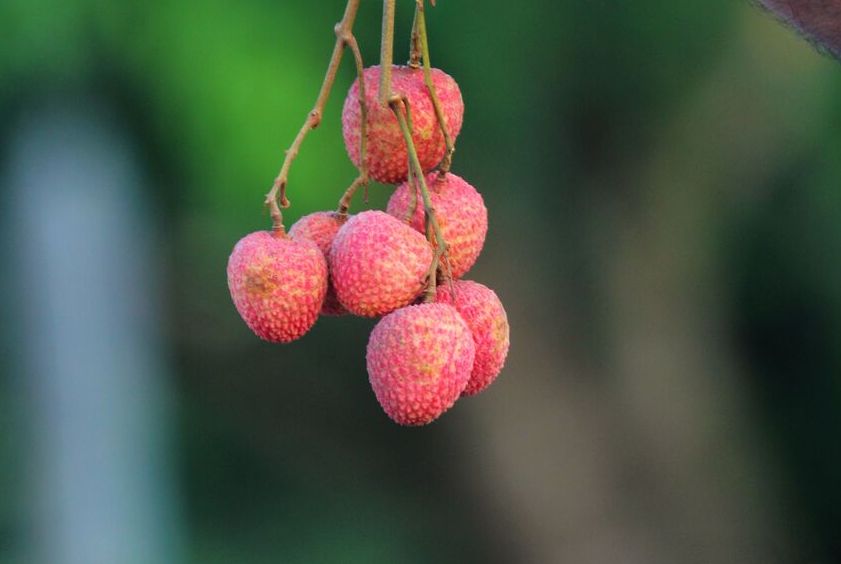
Lychee was once considered such prized fruit in ancient China that fresh harvests were reportedly transported over long distances for the imperial court. Today, this tropical fruit is enjoyed for its juicy translucent flesh and distinctive floral sweetness.
Beyond its flavour, lychee provides carbohydrates, vitamin C and minerals such as potassium and copper, along with a small amount of fibre. The lychee nutrition profile supports functions ranging from immunity and collagen formation to antioxidant protection, digestion and heart health.
This article explores the health benefits of lychee, its nutritional value, interesting facts, simple ways to enjoy it and precautions to keep in mind.
Top 10 Health Benefits of Lychee
The lychee benefits come from its vitamins, minerals and antioxidant compounds, which support several important functions in the body. Here's how:
1. May Support Normal Immune Function
Lychee is a good source of Vitamin C, a nutrient that supports several parts of the immune system. It helps immune cells function effectively and also acts as an antioxidant, protecting them from oxidative stress. A 100 g serving of raw lychee provides about 71.5 mg of vitamin C, making immune support one of the notable health benefits of lychee.
2. May Support Collagen Formation and Skin Health
The Vitamin C in lychee plays an important role in collagen production. Collagen is a protein that provides structure and strength to the skin and is also found in blood vessels, cartilage and connective tissues. Getting enough vitamin C therefore helps the body produce and maintain collagen, supporting normal skin structure and wound healing.
3. May Protect Cells from Oxidative Stress
Everyday processes in the body produce unstable molecules called free radicals. When these build up, they can cause oxidative stress and damage cells. Lychee contains vitamin C, polyphenols and flavonoids that act as antioxidants by helping neutralise free radicals. This antioxidant action helps protect cells and tissues from oxidative damage.
4. May Support Cardiovascular Health
Lychee provides potassium, fibre and antioxidants, all of which can contribute to heart health in different ways. Potassium helps regulate blood pressure by balancing the effects of sodium, while fibre supports healthy cholesterol levels as part of a balanced diet. Antioxidants help protect cells from oxidative stress. Together, these nutrients make lychee a useful addition to a heart-conscious diet alongside vegetables, whole grains, pulses and nuts.
5. May Encourage Digestive Regularity
Fresh lychee provides water and a modest amount of dietary fibre. Fibre adds bulk to stool, while water helps keep it soft and easier to pass, supporting regular bowel movements. Fibre can also support beneficial gut bacteria, which play a role in maintaining digestive health. Pairing lychee with other fibre-rich foods such as oats, whole grains, vegetables or seeds can further increase the fibre content of a meal.
6. May Help Maintain Healthy Blood Pressure
Lychee provides potassium, with around 171 mg present in 100 g of raw fruit. Potassium helps the body maintain fluid balance and supports the normal functioning of muscles and nerves. It also helps counterbalance the effects of sodium, which is important for maintaining healthy blood pressure. Lychee can therefore contribute to potassium intake as part of a varied diet rich in fruits and vegetables.
7. May Support Weight Management
Raw lychee provides around 66 calories per 100 g and contains more than 80% water. Its water content adds volume without adding many calories, while its naturally sweet taste can make it a satisfying alternative to some calorie-dense processed sweets. These litchi benefits can make the fruit easier to include in a weight-conscious diet when portions are kept moderate.
8. May Contribute to Everyday Hydration
Water makes up around 81.76% of raw lychee, so eating the fruit can contribute to your overall fluid intake. Water supports functions such as temperature regulation, digestion and the transport of nutrients throughout the body. While lychee cannot replace drinking water, its high-water content makes it a refreshing way to get some additional fluids, particularly during warmer weather.
9. May Support Normal Brain Function
Lychee contains copper along with smaller amounts of vitamin B6 and other micronutrients involved in nervous-system function. Copper plays a role in energy production and the formation of neurotransmitters, the chemical messengers that allow nerve cells to communicate. Vitamin B6 is also involved in neurotransmitter production and normal nervous-system function. These nutrients therefore contribute to the processes the brain relies on to function normally.
10. May Contribute to Bone Health
Lychee provides small amounts of magnesium, phosphorus, calcium and copper, nutrients that perform different roles in maintaining bones and connective tissues. Calcium and phosphorus contribute to bone structure, magnesium is involved in normal bone formation, and copper supports the formation of connective tissue. Although lychee is not a major source of these nutrients, it can contribute to overall intake as part of a varied diet.
Nutritional Value of Lychee
Beyond the litchi benefits, its nutritional profile offers a closer look at what the fruit provides. The table below shows the nutritional value of 100 g of raw lychee.
Nutrient | Amount (per 100 g) |
Water | 81.76 g |
Energy | 66 kcal |
Carbohydrate | 16.53 g |
Protein | 0.83 g |
Dietary Fibre | 1.3 g |
Calcium | 5 mg |
Iron | 0.31 mg |
Magnesium | 10 mg |
Potassium | 171 mg |
Vitamin C | 71.5 mg |
Copper | 0.148 mg |
How to Include Lychee in Your Diet?
Lychee’s juicy texture and naturally sweet flavour make it easy to enjoy in different ways. Around 8 to 10 fresh lychees, or roughly 100 g of edible fruit, can be a practical serving for many adults, although individual needs may vary, particularly when monitoring carbohydrate or sugar intake. One can devour this delicious fruit in following ways:
Enjoy fresh lychee chilled after removing the peel and seed.
Add chopped lychee to curd, oats, chia pudding or fruit salads.
Blend a small portion into an unsweetened smoothie.
Freeze the fruit and use it to make a refreshing homemade sorbet.
Choose canned lychee packed in juice rather than syrup where possible.
Add lychee to salads, salsas or Asian-inspired sauces for a sweet and tangy twist.
Fresh fruit is one of the simplest ways to enjoy the lychee benefits, while also avoiding the added sugar that may be present in some canned or processed varieties.
Key Facts About Lychee
Here are some key facts about the fruit:
It has ancient roots: Lychee has been cultivated in China for more than 2,000 years and was once considered a prized fruit.
It belongs to the soapberry family: Lychee is part of the Sapindaceae family, alongside fruits such as longan and rambutan.
Its seed is not edible: While the juicy white flesh is eaten, the peel and seed should be discarded.
It is mostly water: More than 80% of raw lychee is water, adding hydration to the list of litchi benefits.
Freshness matters for vitamin C: Vitamin C can decline with prolonged storage and processing, making fresh lychee a good way to enjoy this nutrient.
Side Effects of Lychee
While lychee can be a nutritious addition to your diet, the precautions mentioned below are worth keeping in mind.
Allergic reactions: Some people may experience itching, hives or swelling after eating lychee. Breathing difficulty or other severe symptoms require immediate medical attention.
Blood sugar: A 100 g serving contains around 15.2 g of natural sugars. People with diabetes should consider portion size, overall carbohydrate intake and their individual blood glucose response.
Pregnancy and medications: Pregnant women and people taking certain medications, including blood thinners, should consult a qualified healthcare professional if they have concerns about including lychee in their diet.
Importance of Health Insurance
Making nutritious food choices can support everyday health, but looking after your well-being also means being prepared for medical needs that may arise unexpectedly. This is where having suitable health insurance can help manage healthcare expenses for you and your family.
If you are looking for health insurance for children and other family members, SBI General Health Alpha offers a flexible option with 50+ coverage options to choose from. The plan also offers up to a 10X cumulative bonus for each claim-free year and a 5% welcome discount. With 24x7 customer support, SBI General Insurance also ensures assistance is available whenever policyholders need it.
Conclusion
The health benefits of lychee go beyond its sweet, juicy flavour. With vitamin C, antioxidants, water and other useful nutrients, the fruit can support immunity, skin health, hydration and several everyday body functions. Enjoyed fresh and in sensible portions, lychee can be a refreshing and nutritious addition to a varied, balanced diet.
FAQs
1. What are the main health benefits of lychee?
The main health benefits of lychee include supporting immunity, collagen formation, digestion, heart health and hydration. Its vitamin C and other antioxidants also help protect cells from oxidative stress.
2. How does lychee support the immune system?
Lychee supports the immune system mainly through its vitamin C content. Vitamin C helps immune cells function normally and provides antioxidant protection.
3. Can lychee improve digestion?
Yes. Lychee contains water and fibre, which can support regular bowel movements and healthy digestion. Pairing it with other fibre-rich foods can further support digestive health.
4. Is lychee beneficial for heart health?
Yes, lychee can be part of a heart-healthy diet. It provides potassium, fibre, vitamin C and antioxidants that support functions such as healthy blood pressure and protection against oxidative stress.
5. Does lychee have anti-ageing properties?
Lychee contains vitamin C and antioxidants that support skin health. Vitamin C is needed for collagen production, while antioxidants help protect skin cells from oxidative stress.
6. What is the nutritional value of litchi?
Around 100 g of raw litchi provides approximately 66 kcal, 16.53 g of carbohydrates, 1.3 g of fibre, 71.5 mg of vitamin C and 171 mg of potassium. It also has a high-water content.
7. Can eating too many lychees be harmful?
Yes, eating large quantities of lychee can add considerable natural sugar to the diet and may cause digestive discomfort in some people. Unripe lychees should also be avoided, particularly on an empty stomach.
This blog is intended solely for educational and informational purposes. Content reflects data at time of publication and may not accurately reflect current premiums, terms, or regulations. Readers are encouraged to confirm the accuracy and relevance of the data before making any significant decisions. SBI General Insurance disclaims responsibility for any errors or consequences arising from the use of outdated information provided herein. For more details, please refer to the policy wordings and prospectus before concluding the sales. *Add-ons are subject to payment of additional premium.
Access and manage all your Insurance Needs in one place, right at your Fingertips.




4/5*
Access and manage all your Insurance Needs in one place, right at your Fingertips.



Vision
Our vision is to become the most trusted general insurer for a transforming India.
Mission
Our mission is to provide simple and innovative general insurance solutions, be responsive to our customers' needs and build a sustainable business for the future.
We're socially active!