


 Contact Us


 Other Insurance
Health Benefits of Makhana – Nutrition, Uses & Why You Should Add It to Your Diet
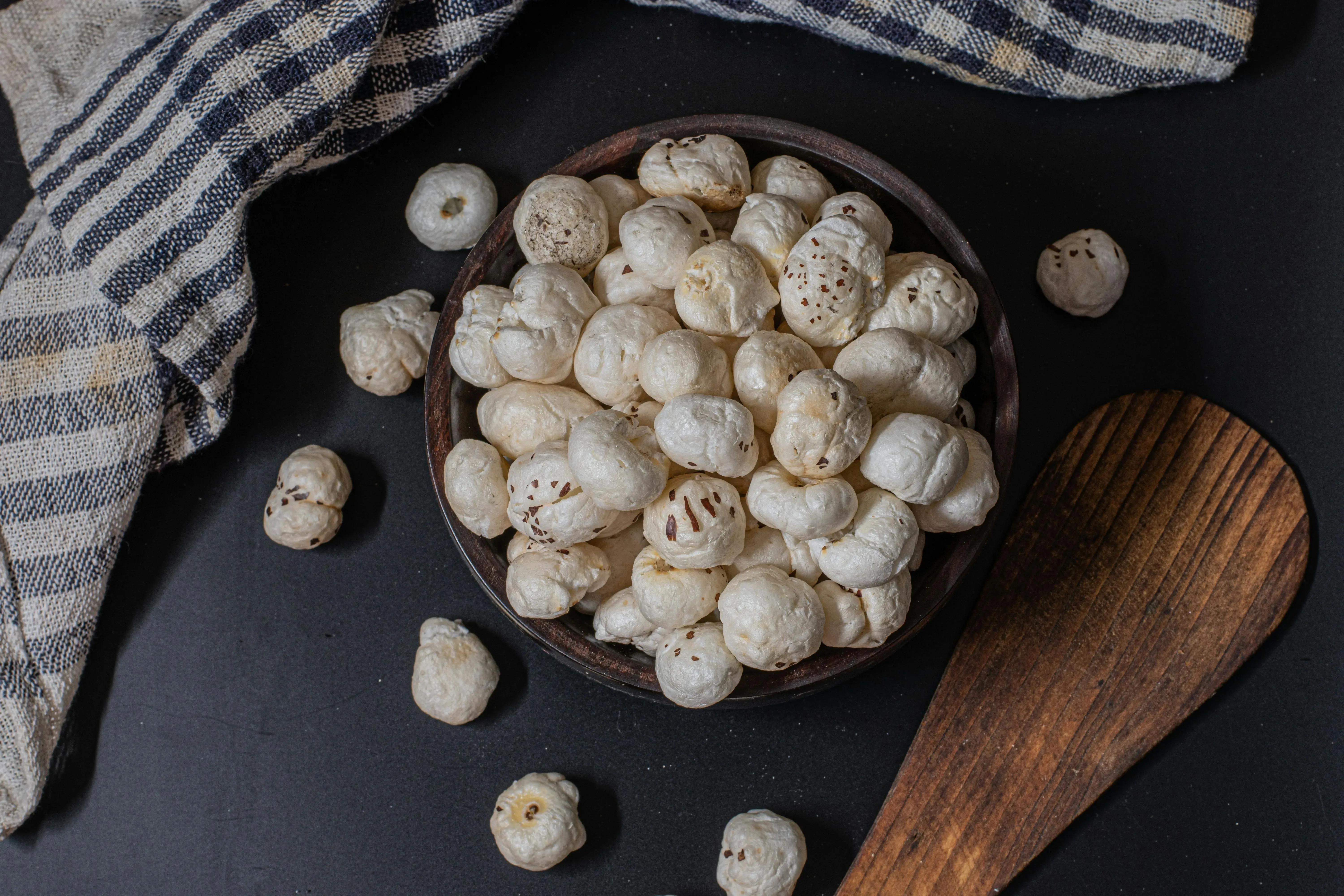
Date: May 21, 2026 - Last Modified May 21, 2026


The health benefits of certain nutritious foods can be achieved by consistently incorporating them into your diet. One such food is makhana or fox nuts. It offers multiple advantages and can help swap out unhealthy snacks.
Makhana, or lotus seeds, are popularly known as a nutritional snack, offering protein, antioxidants, and important minerals. They are a common part of balanced diets. They support weight management, digestion and heart health. Fox nuts' health benefits are extensive, and they can therefore be consumed daily in many ways.
This article explores the benefits of makhana, its nutritional value, and how it may support overall health when included as part of a balanced daily diet.
What is Makhana?
Makhana, also known as lotus seeds or fox nuts, is a nutrient-rich food that has gained popularity over the years. It is obtained from the seeds of the Euryale ferox plant, which is widely cultivated across parts of Asia.
There are multiple benefits of makhana, as it is rich in antioxidants, fibre, and important minerals, while being low in fat and calories.
Nutritional Value of Makhana
Many individuals may wonder, ‘Is makhana good for health?’. An understanding of its nutritional value can help answer this question. The following is an overview:
Protein, Fibre, and Antioxidants
A popped makhana seed can have 9.5% protein, while raw makhana can contain 9.7% protein. Makhana can have around 14.5g of fibre. It is rich in antioxidants that can neutralise harmful free radicals.
Calcium, Magnesium, and Potassium
One of the leading benefits of makhana is its nutrient-rich composition, which may help support overall health and wellness when included as part of a balanced diet. 100 grams of raw or roasted seed may contain 0.02% calcium, 0.3-0.5% potassium and 0.04-07% magnesium. These minerals are important to the body because they support many essential functions.
Top Health Benefits of Makhana
Makhana is often considered a superfood because it offers nutritional benefits. The leading health benefits of makhana are as follows:
Supports Weight Management
This food is quite low in calories and fat but high in fibre. This enables it to support weight loss. It also contains protein that can help your stomach feel full and prevent overeating.
Helps Regulate Blood Sugar
Makhana has a low glycaemic index, which may help support stable blood sugar levels when consumed in moderation. Its fibre content may help slow the absorption of sugar into the bloodstream, and it also contains magnesium, a mineral associated with supporting normal insulin function.
Improves Digestion
One of the leading benefits of eating makhana is improved digestion. Makhana may also support gut health and may help reduce acidity in some individuals due to its natural properties.
Supports Heart Health
This is one of the most well-known health benefits of makhana. The presence of potassium and magnesium can help support normal blood pressure and regulate heart activity. As makhana has very low levels of saturated fat, it can be a suitable snack for those with hypertension.
Strengthens Bones
Makhana is rich in minerals, and its calcium content can help maintain bone health. Magnesium in makhana can also work alongside calcium to improve bone strength and density.
Improves Skin Health and Offers Anti-Ageing Support
Makhana has strong antioxidants that remove free radicals, which helps the skin. Flavonoids and phenolic compounds protect the skin from damage and early aging.
Though there are several lotus seeds’ health benefits when included in a balanced diet, staying financially prepared for unexpected medical needs is equally important. Health insurance from SBI General Insurance can offer extensive coverage and quick claim support, helping individuals stay stress-free.
Is Makhana Good for Diabetes?
To help manage diabetes, individuals are often advised to make mindful food choices as part of their daily routine. Since makhana has a low glycaemic index and may help support steady blood sugar levels when consumed in moderation, it can be included as a light snack option between meals. Roasted makhana is commonly preferred, and it may also be used occasionally in desserts as part of a balanced diet.
Although makhana can be good for diabetes, patients still require continuous medical care, as it is a chronic condition. Health insurance renewal is therefore crucial.
Is Makhana Good for Weight Loss?
Makhana may support weight management as it is generally low in calories. The makhana benefits for weight loss can be attained as it can help individuals feel fuller for longer when consumed in moderation as part of a balanced diet. Consequently, makhana may help reduce overeating, which can promote weight loss. It may provide lasting energy, which can make it easier to manage meal portions.
How to Include Makhana in Your Daily Diet
Most individuals can attain the benefits of eating makhana as it is a versatile food that can be incorporated into snacks, meals and desserts.
Roasted Makhana as a Snack
This is a simple preparation that brings out the health benefits of makhana. You can lightly roast the seeds with clarified butter and salt and add the spices of your choice.
Makhana in Kheer and Curries
Makhana curry can add much-needed protein to the diet. Its kheer, when combined with fruits and nuts, can serve as a healthy dessert.
Healthy Trail Mix with Makhana
Makhana can be mixed with almonds, walnuts, sunflower seeds, and spices to create a healthy trail mix. This can be consumed as a snack mid-morning or in the evening.
Conclusion
When incorporated into diets, individuals can attain multiple health benefits from makhana. This low-calorie, high-protein snack can help with weight loss, diabetes management, heart health improvement and more. It can be easily incorporated into desserts and meals, satisfying hunger while providing nutritional benefits.
Along with maintaining healthy eating habits, individuals can also explore health insurance solutions from SBI General Insurance to stay financially prepared for medical needs and unexpected healthcare expenses.
Frequently Asked Questions
1. Can we eat makhana every day?
Yes, makhana can be consumed daily in moderate quantities. It can make your diet balanced and nutritious.
2. Is makhana better than almonds for health?
Makhana and almonds offer different nutrients, but makhana is lower in calories and fat compared to almonds.
3. Does makhana help reduce belly fat?
Makhana may support weight management as it makes you feel full and reduces overeating.
4. Can diabetics eat makhana at night?
Yes, diabetics can consume makhana at night in moderation. It has a low glycaemic index and ample fibre.
5. Is roasted makhana healthier than fried makhana?
Yes, roasted makhana is generally healthier because it contains less oil and fewer calories than fried makhana.
6. How much makhana should be eaten in a day?
Individuals can usually consume one to two handfuls of makhana daily as part of a balanced eating routine.
7. Is makhana good for cholesterol control?
One of the benefits of makhana is cholesterol management support, as it is low in saturated fats and contains beneficial nutrients.
8. Can makhana be eaten during fasting?
Yes, makhana is commonly consumed during fasting because it is light, nutritious, and suitable for fasting meal preparations.
Access and manage all your Insurance Needs in one place, right at your Fingertips.




4/5*
Access and manage all your Insurance Needs in one place, right at your Fingertips.



Vision
Our vision is to become the most trusted general insurer for a transforming India.
Mission
Our mission is to provide simple and innovative general insurance solutions, be responsive to our customers' needs and build a sustainable business for the future.
We're socially active!