


 Contact Us



 Other Insurance
Health Benefits of Moong Sprouts
Date: Oct 5, 2026 - Last Modified Oct 5, 2026


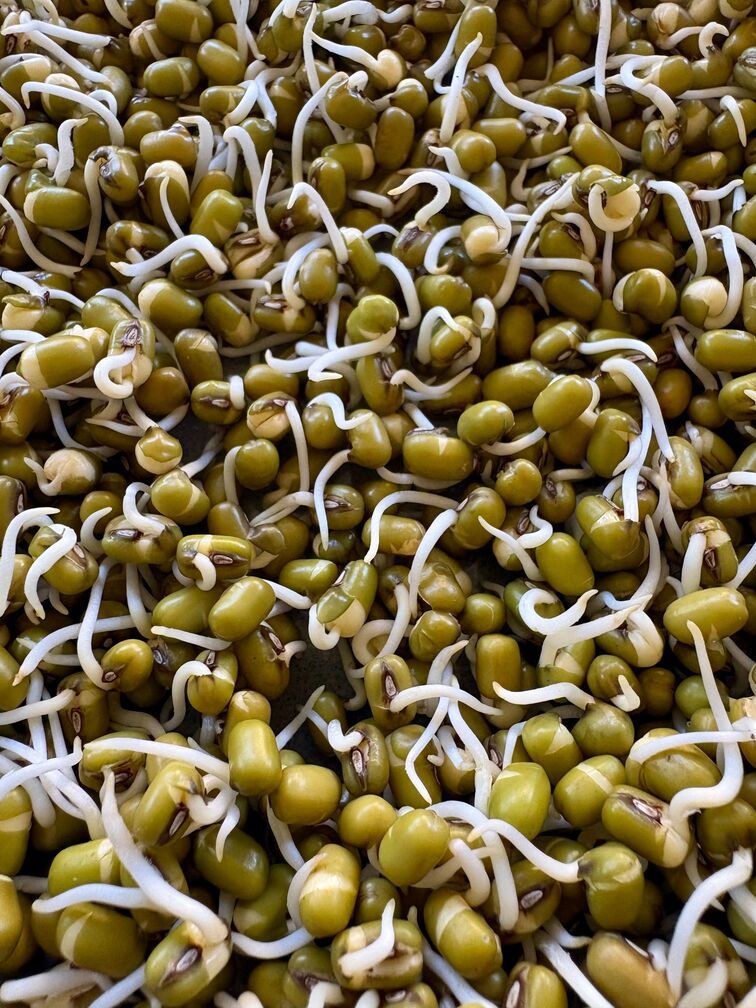
Moong sprouts are naturally low in fat and provide plant protein, fibre, vitamin C, folate and essential minerals. Sprouting also changes the composition of the seed and can improve the availability of certain nutrients. The primary moong sprouts benefits include support for digestion, fullness, heart health, blood sugar management, immunity and tissue maintenance.
The green moong sprout benefits make them a useful addition to balanced diets, especially when paired with other nutrient-rich foods. However, food safety is important because sprouts grow in warm and humid conditions that can also favour the growth of harmful bacteria. Proper washing, storage and cooking can therefore be important when including moong sprouts in everyday meals.
Top 10 Health Benefits of Moong Sprouts
The following moong sprouts benefits explain how this familiar ingredient may support distinct body functions within varied meals.
1. May Support Digestive Regularity
Moong sprouts provide dietary fibre, which adds bulk to stool and helps regulate bowel movements. Some fibre also reaches the large intestine, where it feeds good gut bacteria. Sprouting starts to change stored carbohydrates in the seed, which may make sprouted moong easier to digest for some people. Together, these effects can support comfortable digestion and a healthy gut. Adding sprouts slowly gives the digestive system time to get used to the extra fibre.
2. May Assist with Weight Management
Moong sprouts are mostly water and provide about 30 calories per 100 grams, yet they add useful volume to meals. Their fibre and plant protein help promote feelings of fullness and reduce appetite. These moong dal sprouts’ benefits make them useful in salads, chaat or bowls containing vegetables and a stronger protein source. Individuals using sprouts for weight management can consider the complete dish because sugary dressings, fried toppings and oversized portions can quickly alter its energy content.
3. May Encourage a Steadier Blood Sugar Response
Moong sprouts contain modest carbohydrate content, together with fibre and protein. This mix may support a steadier post-meal response than refined carbohydrates eaten alone. Moreover, these sprouts also have a lower glycaemic index compared to regular grains, which means they cause a slower elevation in blood sugar levels after consumption.
Individuals with diabetes can include cooked sprouts in measured portions and pair them with vegetables, curd, paneer or another protein source. Consistent portions make glucose readings easier to interpret. Sprouts do not replace diabetes care, but they can support balanced meals and add texture without relying on refined snacks.
4. May Support Heart Health
Fibre-rich plant foods can support healthy cholesterol levels within a varied eating pattern. Moong sprouts also provide potassium while remaining naturally low in sodium and saturated fat. Potassium contributes to fluid balance and normal blood pressure. Replacing heavily salted or fried accompaniments may further improve the meal.
Consuming these sprouts regularly may help reduce the risk of heart disease, improve arterial function, and support overall heart health. Among the practical green moong sprouts benefits is their ability to add volume and crunch with very little fat, making heart-conscious food choices easier to repeat.
5. May Support Normal Immune Function
Raw mung bean sprouts have vitamin C, a vitamin which helps to maintain normal immune function and protects the cells. It also helps absorb iron from plant foods that are eaten at the same time. As a result, the body is better able to resist infections and to recover from diseases.
If lightly cooked sprouts are combined with lemon, tomato or capsicum, this gives a more varied meal containing several sources of vitamin C. Since heating can cause a loss of vitamins, steaming for a short time will preserve more of them than boiling for a long time. Thus, careful preparation links ordinary use with the nutrient value found in the final dish.
6. May Help Protect Cells from Oxidative Stress
Mung beans and their sprouts contain phenolic compounds, including flavonoids. These compounds have antioxidant activity, which helps the body manage free radicals formed during normal metabolism and environmental exposure.
Vitamin C adds to this role by helping limit oxidative damage in cells. This can help to enhance the body's defence mechanism, reduce inflammation, and promote general cellular health. Including moong sprouts alongside colourful vegetables, fruits and pulses broadens the mix of plant compounds in meals and supports a more varied antioxidant intake.
7. May Help Support a Healthy Pregnancy
Pregnant individuals are recommended to have at least 400-800 mcg (0.4-0.8 milligrams) daily. Folate is needed to form DNA and new cells, including red blood cells. It is also essential for the healthy growth and development of the child. Raw moong sprouts provide about 159 micrograms of folate per 100 grams, along with some iron. Vitamin C can improve the absorption of non-haem iron from plant foods.
Together, these nutrients may support normal blood formation and oxygen transport. Pairing sprouts with lemon and iron-rich food, such as lentils or leafy vegetables, creates a useful combination in one meal. It is important to speak with a healthcare professional before taking supplements, to confirm dosage of supplements.
8. May Contribute to Muscle Maintenance
Protein supplies amino acids that the body uses to maintain and repair muscle tissue. This makes moong sprouts a valuable option to support muscle strength and repair, promoting energy throughout the day. Combining them with dal, curd, paneer, tofu or eggs makes meals more substantial. Their magnesium and potassium also participate in normal muscle and nerve function. Moong sprouts therefore offer active individuals a convenient supporting ingredient for varied vegetarian meals.
9. May Support Healthy Skin
Vitamin C helps with normal collagen formation, while antioxidants protect skin cells from oxidative stress. Moong sprouts provide vitamin C and plant compounds that may support these processes within a balanced diet. Understanding moong sprouts benefits for skin is therefore crucial as it functions as nutritional support rather than an instant cosmetic change. Their high-water content also contributes modestly to fluid intake. Varied fruits, vegetables, pulses, and adequate protein remain important because healthy skin structure depends on several nutrients working together.
10. May Improve Digestibility and Nutrient Access
Germination activates enzymes within the moong seed. As the shoot develops, stored starches and proteins begin changing, while some antinutritional compounds decline. This process may improve the process of digestion and make certain minerals easier to access. It is specific to sprouted moong rather than every green gram preparation. The moong sprouts benefits can therefore include a lighter texture and different nutrient availability. The final profile still depends on sprouting time, storage, and cooking.
Nutritional Value of Moong Sprouts
These beans are packed with vitamins and antioxidants. The nutritional values below describe boiled mung bean sprouts per 100 grams.
Nutrient | Amount per 100 g |
Energy | 105 kcal |
Protein | 7.02 g |
Carbohydrate | 19.2 g |
Dietary Fibre | 7.6 g |
Total Fat | 0.38 g |
Vitamin C | 1 mg |
Total Folate | 159 mcg |
Potassium | 266 mg |
Magnesium | 48 mg |
Iron | 1.4 mg |
This nutrition profile shows why sprouts add micronutrients without making a meal heavy. Dry whole moong is more concentrated and has different values.
How to Include Moong Sprouts Safely in The Diet
Cooked moong sprouts are safer because heat reduces bacteria that may multiply during germination. About half to one cup, or 50 to 100 grams, is a practical daily amount, although individual needs differ.
Method | Practical Use |
Lightly steamed | Steam until hot, then add lemon, herbs and vegetables |
Stir-fried | Cook with vegetables, paneer or tofu for a warm meal. |
Added to dishes | Mix into poha, upma, pulao, or chilla batter |
Everyday comfort | Cooked dal with rice or flatbreads |
Sprouted at home | Use clean food-grade seeds, safe water and well-drained equipment. Refrigerate promptly. |
Simple cooked dishes retain the everyday moong dal sprouts benefits.
Safe meal planning supports household wellbeing, while suitable family health insurance can help members prepare for eligible medical needs under one plan.can help members prepare for eligible medical needs under one plan.
Key Facts About Moong Sprouts
Beyond nutrition, moong sprouts have a culinary identity. These facts explain how the seed grows and is used.
Botanical Identity: Moong is Vigna radiata, commonly known as mung bean or green gram.
How Sprouts Develop: The beans are soaked and allowed to germinate until a small shoot emerges.
Texture Changes During Sprouting: Germination softens the bean while producing the characteristic crisp sprout.
Versatile in Meals: Moong sprouts can be added to chaat, poha, salads, sabzis and other everyday dishes.
Warmth and Moisture Matter: The conditions needed for sprouting can also encourage bacteria such as Salmonella, Listeria and E. coli to multiply.
Cooking Improves Safety: The FDA notes that thoroughly cooking sprouts can reduce the risk of foodborne illness.
These details help assess storage and preparation. The green moong sprouts benefits are best preserved when batches remain fresh and hygienically handled.
Side Effects of Moong Sprouts
Moong sprouts suit many diets, but several safety points deserve attention:
Raw sprouts can carry harmful germs like Salmonella, Listeria or E. coli even when they look fresh
Eating large amounts of these sprouts can lead to mild gas, bloating, and digestive discomfort. Smaller servings can ease the adjustment.
Pregnant women, young children, older adults and those with weakened immunity should choose thoroughly cooked portions.
Swelling, hives or breathing difficulty after eating sprouts requires prompt medical attention.
Importance of Health Cover
A balanced diet that includes nutritious foods such as moong sprouts can support everyday health, but it cannot protect against every illness, injury or unexpected hospitalisation. Health insurance can help manage eligible medical expenses.
You can also get family health insurance for broader protection of multiple family members under a single policy. You can opt for Super Health Insurance from SBI General Insurance with the following key benefits: SBI General Insurance with the following key benefits:
Sum insured options from ₹3 lakh to ₹2 crore
Hospitalisation cover, ReInsure Benefit, Health Multiplier
Claims Shield and annual health check-ups
Disclaimer: Coverage, features and benefits are subject to the terms, conditions, exclusions and applicable limits of the policy. Please refer to the policy wording for complete details.
Conclusion
Moong sprouts can be a simple and nutritious addition to everyday meals, offering fibre, plant protein and essential micronutrients. The benefits of eating sprouted moong may include support for digestion, satiety, heart health, immunity and skin health, while germination may also improve digestibility and nutrient availability.
Choosing fresh sprouts, storing them properly and cooking them thoroughly can make regular consumption safer. When eaten in suitable portions as part of a balanced diet, the moong sprouts benefits can complement a healthy lifestyle.
FAQs
1. What are the health benefits of moong sprouts?
They may support digestion, fullness, heart health, blood sugar response, immunity, blood formation, muscles and skin. Germination may also improve digestibility and nutrient access.
2. Are sprouts good for weight loss?
They may assist weight management because water, fibre and protein support fullness. Use cooked sprouts within balanced meals.
3. How are moong sprouts made at home?
Soak clean whole moong, drain it and use a breathable container. Rinse and drain regularly, refrigerate promptly and cook before eating.
4. Can sprouts cause food poisoning?
Warm, moist conditions can allow harmful bacteria to multiply and cause illness such as food poisoning or gastrointestinal issues. Hence, it is important to store the sprouts properly and cook it well before consumption.
Disclaimer: This article is for general awareness and does not replace professional medical consultation, diagnosis or treatment.
This blog is intended solely for educational and informational purposes. Content reflects data at time of publication and may not accurately reflect current premiums, terms, or regulations. Readers are encouraged to confirm the accuracy and relevance of the data before making any significant decisions. SBI General Insurance disclaims responsibility for any errors or consequences arising from the use of outdated information provided herein. For more details, please refer to the policy wordings and prospectus before concluding the sales. *Add-ons are subject to payment of additional premium.
Access and manage all your Insurance Needs in one place, right at your Fingertips.




4/5*
Access and manage all your Insurance Needs in one place, right at your Fingertips.



Vision
Our vision is to become the most trusted general insurer for a transforming India.
Mission
Our mission is to provide simple and innovative general insurance solutions, be responsive to our customers' needs and build a sustainable business for the future.
We're socially active!