


 Contact Us


 Other Insurance
Health Benefits of Muskmelon Seeds
Date: Sep 21, 2026 - Last Modified Sep 21, 2026


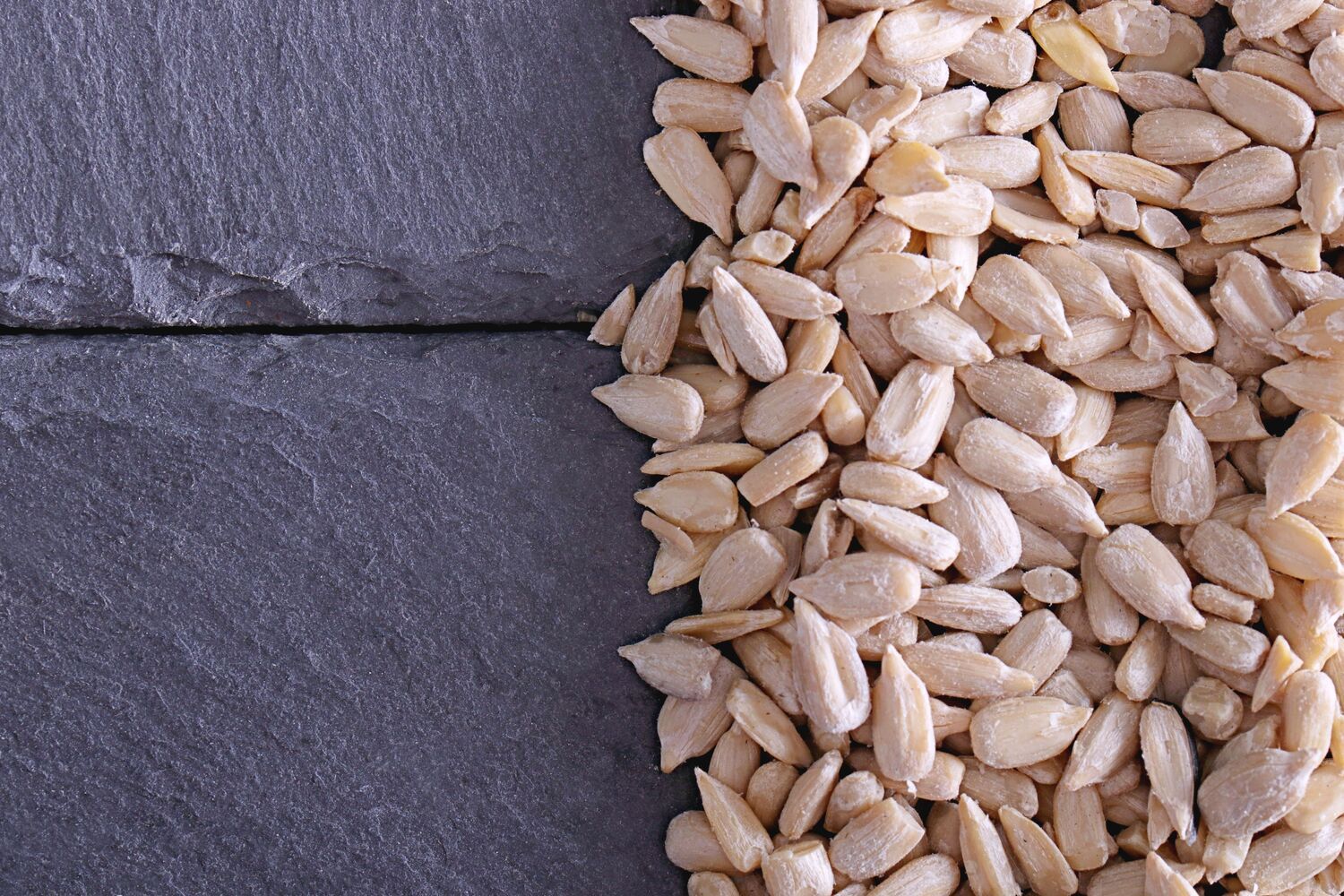
Muskmelon seeds, which are often scooped out and discarded, contain protein, fibre and healthy unsaturated fats such as linoleic and oleic acids. Their nutrient profile can vary depending on the variety of muskmelon and how the seeds are processed. However, these tiny seeds can still be a nutritious addition to the diet.
Many of the potential muskmelon seeds benefits are linked to these nutrients. From supporting heart and digestive health to providing protein and important minerals, there is more to these seeds than their size might suggest.
Top 10 Health Benefits of Muskmelon Seeds
The health benefits of muskmelon seeds are linked to their mix of protein, fibre, unsaturated fats, minerals and naturally occurring plant compounds. Instead of looking at these nutrients individually, it helps to understand how each one supports everyday functions in the body. Here are some of the key benefits of including muskmelon seeds as part of a balanced diet.
1. Provide a Source of Plant-Based Protein
Muskmelon seeds contain a notable amount of protein, with studies reporting around 20% or more in several varieties. The body breaks dietary protein down into amino acids, which are then used to build and repair muscles, skin and other tissues. This makes the seeds a useful way to add some extra plant-based protein to meals, especially for vegetarians.
2. Provide Healthy Unsaturated Fats
A large proportion of the fat in muskmelon seeds comes from unsaturated fatty acids, particularly linoleic and oleic acids. These fats provide energy and are needed for several normal functions in the body. They also help with the absorption of fat-soluble vitamins such as vitamins A, D, E and K. Choosing unsaturated fats in place of saturated fats can also be part of a heart-conscious eating pattern.
3. Support Healthy Digestion
Fibre is an important part of the muskmelon seeds benefits. Since dietary fibre is not fully broken-down during digestion, it passes through the gut and adds bulk to stools. This supports regular bowel movements and can help food move through the digestive system more efficiently. The seeds can be one of several fibre-containing foods included in a varied diet.
4. May Help Keep You Satisfied Between Meals
Muskmelon seeds contain protein, fibre and fat, a combination that can make food more filling. Fibre slows the movement of food through the digestive system, while protein and fat take time to digest. Adding a small portion of the seeds to breakfast, salads or snacks may therefore help meals feel more satisfying and keep hunger away for longer.
5. Support Normal Muscle and Nerve Function
Muskmelon seeds contain magnesium, although the amount can differ depending on the variety. Magnesium plays a role in hundreds of biochemical reactions and is particularly important for normal muscle and nerve function. It is also involved in energy production, bone formation and the regulation of blood pressure and blood glucose.
6. Support Oxygen Transport in the Body
Another mineral behind the health benefits of muskmelon seeds is iron. The body needs iron to produce haemoglobin, the protein in red blood cells responsible for carrying oxygen from the lungs to different tissues. The iron found in seeds is non-haem iron, which is not absorbed as readily as iron from animal sources. Eating them alongside vitamin C-rich foods can help the body absorb plant-based iron more effectively.
7. Contribute to Normal Immune Function
Muskmelon seeds also contain zinc, an essential mineral involved in immune function. Zinc helps immune cells function normally and also participates in cell division, DNA and protein synthesis, and wound healing. As the body does not have a specialised system for storing large reserves of zinc, getting it regularly from a variety of foods is important.
8. Provide Antioxidant Plant Compounds
Muskmelon seeds naturally contain phenolic compounds, including caffeic acid derivatives and catechin-related compounds. These substances have antioxidant activity, meaning they can help protect cells against oxidative damage caused by excess free radicals. While this does not make the seeds a treatment for disease, their antioxidant compounds add to their nutritional value.
9. Add More Nutrients to Vegetarian Meals
One of the practical muskmelon seeds benefits is that several nutrients come together in a small ingredient. The seeds provide plant protein, fibre, fats and minerals and can be incorporated into familiar meals without much effort. Roasted seeds can be sprinkled over salads and breakfast dishes, while ground seeds can be added to chutneys, curries or gravies.
10. Support Bone Health
Muskmelon seeds contain minerals involved in maintaining healthy bones, including magnesium and phosphorus, with amounts varying by seed variety. Magnesium contributes to normal bone structure, while phosphorus is an important component of bones and teeth. Along with calcium, vitamin D, protein and other nutrients, these minerals help support bone health as part of a balanced diet.
Nutritional Value of Muskmelon Seeds
Muskmelon seeds contain carbohydrates and protein along with small amounts of fat. They also provide several vitamins and minerals that contribute to their nutritional value. A 100 g serving of muskmelon seeds contains approximately:
Nutrient | Amount per 100 g |
Carbohydrates | 7 g |
Protein | 2 g |
Fat | Less than 1 g |
In addition to these macronutrients, muskmelon seeds contain vitamins and minerals such as vitamins A, C, E and K, niacin (vitamin B3), zinc and magnesium.
Note: The values provided as percentages have been expressed as approximate grams per 100 g. Exact nutrient composition may vary depending on the muskmelon variety and source.
Key Facts About Muskmelon Seeds
Here are some key facts about muskmelon seeds:
They contain unsaturated fatty acids: Muskmelon seeds contain fatty acids such as linoleic and oleic acids, adding to their nutritional profile.
They provide more than just protein: Along with plant-based protein, muskmelon seeds contain nutrients such as magnesium, zinc and several vitamins.
They are surprisingly versatile: Muskmelon seeds can be eaten as a roasted snack or added to salads, breakfast dishes, chutneys and gravies for extra texture and nutrition.
How to Include Muskmelon Seeds in Your Diet?
Muskmelon seeds do not need a complicated recipe to make their way onto your plate. Once cleaned and dried, they can be eaten on their own or easily slipped into foods you already enjoy. Here are a few simple ideas:
Roast them for a crunchy snack: Lightly roast the seeds and enjoy a small handful between meals.
Sprinkle them over breakfast: Add them to oatmeal, yoghurt, cereal or a smoothie bowl for some extra crunch.
Toss them into salads: A spoonful of roasted seeds can add texture and a mild nutty flavour to salads.
Blend them into smoothies: Add cleaned muskmelon seeds to your favourite fruit or vegetable smoothie.
Mix them into chutneys and gravies: Ground muskmelon seeds can be added to chutneys, curries and gravies for a richer texture.
Add them to homemade trail mix: Combine roasted muskmelon seeds with nuts, other seeds and dried fruits for an easy snack.
Side Effects of Muskmelon Seeds
Muskmelon seeds can fit comfortably into many diets, but 'natural' does not mean that excessive quantities will suit everyone. The following side effects are worth keeping in mind:
Digestive discomfort: A large amount of fibre eaten suddenly may lead to temporary bloating, gas or abdominal discomfort, especially in people whose usual diet is relatively low in fibre.
High energy intake: Seeds contain considerable fat and are consequently calorie-dense. Large portions can add more energy to the diet than expected.
Food allergy: Allergic reactions to melon and Cucurbitaceae seeds are uncommon but have been documented. Anyone who develops swelling, breathing difficulty or another serious allergic reaction needs prompt medical attention.
Individual digestive conditions: People with gastrointestinal conditions or specific medically prescribed diets may need personalised advice before substantially increasing seeds and other fibre-rich foods.
Preparation and hygiene: Fresh seeds should be separated from the fruit pulp, washed and dried properly before storage or roasting. Moisture left during storage can affect food quality.
Portion awareness: Seeds can complement meals, but they should not replace vegetables, fruits, pulses, whole grains or other important food groups.
Importance of Health Insurance
Looking after your health goes beyond eating nutritious foods like muskmelon seeds and following a balanced lifestyle. Medical emergencies can happen unexpectedly, and the cost of hospitalisation or treatment can quickly become a financial concern. Having the right health insurance can help you stay better prepared by covering eligible medical expenses as per the policy terms.
If you are looking for coverage that supports the whole family, family health insurance can be a convenient option. Super Health Insurance from SBI General Insurance offers sum insured options ranging from ₹3 lakh to ₹2 crore, helping you choose coverage based on your family's needs. Policyholders can also use the SBI General Insurance app for on-the-go policy tracking, while 24x7 customer support ensures assistance is available whenever required.
Disclaimer: Health insurance coverage, benefits, eligibility, waiting periods and exclusions are subject to the applicable policy terms and conditions. Please refer to the policy wording and product documents for complete details.
Conclusion
Muskmelon seeds may be easy to overlook, but their protein, fibre, healthy fats, minerals and plant compounds make them a nutritious addition to everyday meals. The muskmelon seeds benefits are best enjoyed as part of a varied, balanced diet rather than as a solution to any specific health concern.
FAQs
1. What nutrients are found in muskmelon seeds?
Muskmelon seeds provide protein, dietary fibre and fats, including unsaturated fatty acids. They also contain minerals such as magnesium, potassium, iron, calcium and zinc, along with naturally occurring plant compounds. The exact nutrient content can vary depending on the muskmelon variety and processing method.
2. How do muskmelon seeds benefit heart health?
Muskmelon seeds contain unsaturated fats, including linoleic and oleic acids. Replacing saturated fats in the diet with unsaturated fats can help support healthy cholesterol levels and heart health. However, the seeds should be enjoyed as part of a balanced diet rather than considered a way to prevent heart disease.
3. Can muskmelon seeds aid in digestion?
Yes. Their dietary fibre adds bulk to stools and can support regular bowel movements. It is also important to drink enough water when increasing fibre intake, as suddenly eating too much fibre may cause temporary gas or bloating.
4. Do muskmelon seeds support immune function?
Muskmelon seeds contain nutrients such as zinc and protein that contribute to normal immune function. Zinc also plays a role in cell division and wound healing. However, a healthy immune system depends on the diet and lifestyle as a whole.
5. Are muskmelon seeds good for skin health?
Muskmelon seeds contain protein, zinc and fatty acids that support normal tissue maintenance and other cellular functions. Zinc also contributes to normal wound healing. However, muskmelon seeds should not be considered a treatment for skin conditions.
6. How are muskmelon seeds prepared for eating?
Remove the seeds from the muskmelon, wash away any attached pulp and allow them to dry thoroughly. You can then lightly roast them for a crunchy snack or add them to salads, soups and other dishes. The dried seeds can also be ground and used in chutneys or gravies.
7. Can muskmelon seeds be eaten every day?
Muskmelon seeds can be included regularly as part of a balanced diet if they suit your dietary needs and digestion. Since seeds can be energy-dense, it is best to enjoy them in moderate portions. People with food allergies or specific dietary restrictions should seek appropriate professional advice before including them regularly.
This blog is intended solely for educational and informational purposes. Content reflects data at time of publication and may not accurately reflect current premiums, terms, or regulations. Readers are encouraged to confirm the accuracy and relevance of the data before making any significant decisions. SBI General Insurance disclaims responsibility for any errors or consequences arising from the use of outdated information provided herein. For more details, please refer to the policy wordings and prospectus before concluding the sales. *Add-ons are subject to payment of additional premium.
Access and manage all your Insurance Needs in one place, right at your Fingertips.




4/5*
Access and manage all your Insurance Needs in one place, right at your Fingertips.



Vision
Our vision is to become the most trusted general insurer for a transforming India.
Mission
Our mission is to provide simple and innovative general insurance solutions, be responsive to our customers' needs and build a sustainable business for the future.
We're socially active!