


 Contact Us


 Other Insurance
Health Benefits of Mustard Oil
Date: Oct 5, 2026 - Last Modified Oct 5, 2026


Mustard oil has a distinctive fatty-acid profile. Research on edible oils consumed in India found that it contains monounsaturated and polyunsaturated fats, including alpha-linolenic acid, an omega-3 fatty acid.
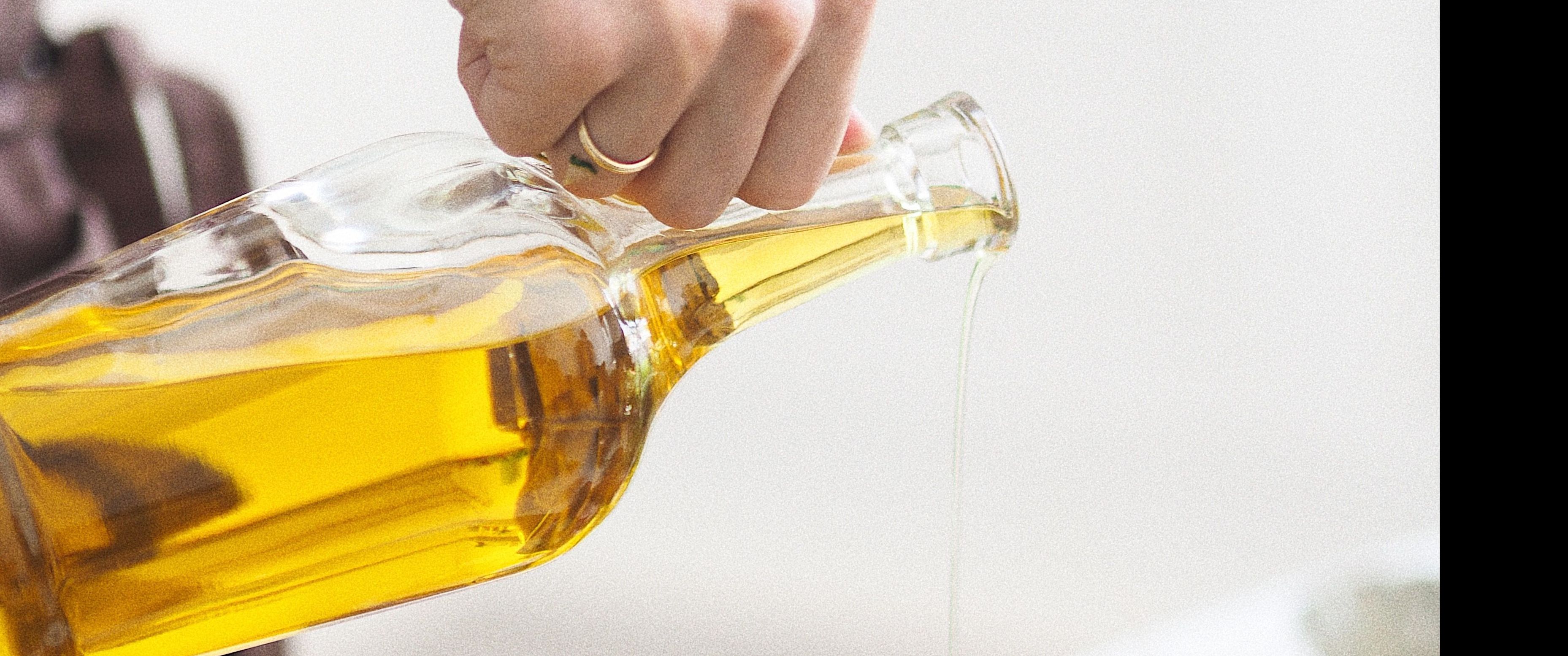
Pressed from mustard seeds, the oil is recognised for its pungent aroma, sharp flavour, and golden-to-amber colour. It is commonly used for cooking and pickling in India. It is also traditionally applied to the skin, scalp, and muscles. However, potential mustard oil benefits depend on how it is used, and traditional applications should not be treated as proven medical benefits. Processing method, quantity, skin sensitivity, product labelling, and erucic acid content are important considerations when choosing mustard oil.
Top 10 Health Benefits of Mustard Oil
Mustard oil has distinct culinary and topical benefits. Here are some of the mustard oil benefits with a significance for healthy body functions:
1. May Support Cardiovascular Health
Mustard oil contains monounsaturated fat and alpha-linolenic acid, which can be considered as ‘good fats’. They are a plant source for omega-3 fatty acids. Replacing some saturated-fat-rich cooking fats with unsaturated oils may support healthier LDL cholesterol levels and overall cardiovascular health. The benefit depends on total diet and quantity, since every oil is energy-dense. Rotation with other suitable oils can also provide a broader fatty-acid balance instead of making one oil the only cooking medium.
2. May Support Brain and Nerve Health
Dietary fats form part of cell membranes and help the body absorb nutrients involved in normal nervous-system function. They help maintain brain cell formation, improve overall nerve signalling, and reduce the chronic inflammation that can lead to cognitive decline. Mustard oil provides alpha-linolenic acid, which the body can convert in limited amounts into longer-chain omega-3 fats. This does not make the oil a memory enhancer, but it can support a diet that promotes normal brain and nerve health. Fish, walnuts, flax seeds, vegetables and adequate protein add nutrients that mustard oil cannot supply by itself.
3. May Help Maintain the Skin Barrier
Applied sparingly, mustard oil forms an occlusive layer that can reduce moisture loss and soften dry, rough skin. Its fatty acids help explain the traditional mustard oil benefits for skin, particularly when the goal is moisturisation rather than treatment. Rich in antioxidants and Vitamin E, it also helps protect the skin from oxidative damage and premature ageing. Avoid applying it to broken skin, active rashes or the face when there is a history of contact dermatitis.
4. May Support Healthier Hair and Scalp
Mustard oil can cover the hair strands, reduce friction, and make dry hair feel smoother. Rubbing a small amount into the scalp may help remove flakes and ease discomfort caused by dryness. These mustard oil benefits for hair relate to conditioning and scalp care; there is no proof that the oil grows new hair or fixes medical hair loss. Use it for a short time before shampooing, and stop if you notice warmth, itching, redness, or more flakes.
5. May Aid Comfortable Digestion
As a cooking fat, mustard oil helps carry flavour and supports the absorption of fat-soluble vitamins from vegetables and other foods. Its pungent flavour may make meals more appetising for some people, while moderate fat can improve satisfaction after eating. Traditional claims also link mustard oil with digestive secretions, although it should not be treated as a remedy for constipation, reflux or abdominal pain. Large, oily meals may worsen discomfort, making the complete recipe and portion more important than the oil alone.
6. May Provide Anti-Inflammatory Support
The omega-3 fatty acids and antioxidants in mustard oil can support pathways involved in regulating inflammation. This is a key factor in many chronic diseases such as arthritis and asthma. This is one reason the oil is considered within balanced dietary fat choices.
Topically, its warming sensation is also valued in traditional massage, although warmth is not the same as treating inflammation. The broader mustard oil benefits are best understood through measured culinary use and careful topical application, not by using concentrated oil as a substitute for treatment of arthritis, swelling or persistent pain.
7. May Ease Temporary Muscle and Joint Discomfort
A mustard-oil massage can provide warmth, lubrication and gentle pressure, which may help tight muscles feel more comfortable for a short period. Massage itself can promote relaxation and make movement feel easier after ordinary activity. Diluting mustard oil with a milder carrier oil may reduce its intensity on sensitive skin. It should not be placed over swelling, injury or broken skin, and ongoing joint pain, weakness or restricted movement requires assessment rather than repeated home massage.
Applying mustard oil to the navel may help moisturise the skin around the belly button and provide a warming, soothing sensation during a gentle abdominal massage, according to Ayurvedic medicine. However, these benefits of mustard oil in navel are traditional claims, not proven treatments for digestion or internal disease.
8. May Help Limit Certain Microbes
Allyl isothiocyanate (AITC) is a sulphur compound that gives mustard oil much of its pungency and can inhibit certain bacteria and fungi under controlled conditions. These properties can help protect the body from infections and support immune health. Safe preservation still depends on the complete recipe, hygiene, acidity, salt and storage. On the skin, suspected infection, spreading redness or discharge should receive appropriate medical attention.
9. May Strengthen Antioxidant Defences
Mustard oil has small amounts of plant compounds and tocopherols that help protect the body with antioxidants. Antioxidants help control extra free radicals before they damage cells and tissues. Cold-pressed oil may keep more smell and natural compounds than heavily processed oil, though this depends on the seeds and how it is made. Using a small amount with vegetables, beans, and whole grains is a balanced way to include in the diet.
10. May Improve Fat-Soluble Vitamin Absorption
Vitamins A, D, E and K require dietary fat for efficient absorption. Using a measured amount of mustard oil to cook vegetables or dress a meal can help the body absorb these nutrients. This is a function shared by edible fats, but mustard oil can fulfil it while adding a distinctive flavour. The mustard oil benefits are therefore more meaningful in a nutrient-rich meal than in fried snacks, where excess oil may increase calories without improving the overall nutritional balance.
Nutritional Value of Mustard Oil
Mustard oil also has an impressive nutritional profile that can help provide overall comfort.
Mustard oil is pure fat. The table below shows the nutritional value of 1 tablespoon (14 g) for mustard oil.
Nutrient | Approximate amount |
Energy | 124 kcal |
Total fat | 14 g |
Monounsaturated fat | 8.29 g |
Polyunsaturated fat | 2.97 g |
Omega-6 fat | 2.15 g |
Omega-3 fat | 0.83 g |
Protein | 0 g |
Carbohydrate | 0 g |
Cholesterol | 0 mg |
Values vary by seed and processing; one tablespoon is not a recommendation.
Cold-Pressed vs Refined Mustard Oil: What Is the Difference?
Parameter | Cold-pressed mustard oil | Refined mustard oil |
Processing method | Natural mechanical extraction | Chemical and heat processing |
Flavour | Strong, pungent and distinctive | Milder and more neutral |
Colour | Usually, deeper yellow or amber | Generally lighter and more uniform |
Smoke Point | Moderate | Higher |
Shelf life | Shorter | Longer |
Chemical compounds | No chemicals | May involve solvents like hexane (regulated but still used)
|
Neither option is universally better. Choice depends on flavour, use, quality and quantity. Both can deliver mustard oil benefits.
How to Use Mustard Oil Safely
Cooking and topical use need different precautions; choose the product accordingly.
Select sealed, edible mustard oil that is compliant with local standards.
Measure portions within total daily fat intake.
Avoid repeatedly reheating oil and ventilate the kitchen.
Store it tightly closed, away from light and heat.
Patch test diluted oil and wait 24 hours before use.
Keep it away from eyes, broken skin and irritation.
Label checks and health reviews support informed decisions. Suitable health insurance can help families prepare for medical expenses under their policy.
Interesting Facts About Mustard Oil
Mustard oil is obtained from mustard seeds and is commonly used in Indian households for cooking and other traditional purposes. Edible mustard oil should be distinguished from mustard essential oil, as the two differ in composition and intended use.
Botanical Source: Mustard oil is commonly derived from Brassica juncea, Brassica nigra or Brassica rapa.
Indian Name: It is widely known as “sarson ka tel.”
Source: The oil is extracted from mustard seeds.
Colour: Depending on the variety and processing method, it may range from golden yellow to dark brown.
Common Uses: Edible mustard oil is used for cooking and pickling, while mustard oil is also traditionally used for massage and hair care.
Smoke Point: Refined mustard oil has a relatively high smoke point, often cited at around 250°C (482°F), though this can vary depending on processing and oil quality.
Side Effects of Mustard Oil
Mustard oil may cause burning, redness, itching or contact dermatitis on sensitive skin
It can cause coughing or breathing difficulties if inhaled excessive mustard oil fumes
Large amounts add calories and may cause digestive discomfort
Accidental contact with eyes may cause watering, redness, or mild pain
Erucic acid is naturally present in traditional mustard oil; high exposure raised cardiac concerns in animals, so food-use rules differ by country.
Choose approved edible products, use modest amounts and follow labels.
Stop topical use if irritation appears, and seek urgent care for severe allergy symptoms.
Understanding these side effects can help individuals make informed choices about including mustard oil in their daily diet or health routine.
At the same time, planning for unexpected healthcare needs is an important part of overall wellbeing. Cashless health insurance can help eligible hospital expenses be settled directly through the insurer, subject to the policy terms and network hospital availability.
Importance of Health Insurance
Everyday food choices, including the type and quantity of cooking oil used, are only one part of managing health. However, medical treatment can involve expenses that are difficult to plan for in advance. Having health insurance helps individuals and families prepare financially for eligible hospitalisation and treatment costs.
SBI General Health Alpha lets policyholders customise their cover to suit their needs. Its hospitalisation cover includes in-patient treatment, day-care procedures, pre- and post-hospitalisation expenses, domiciliary treatment and AYUSH treatment. The policy also offers optional covers and benefits such as Restore Benefit, Home Health Care, and preventive health check-ups, subject to the chosen plan and policy conditions.
For eligible claims, cashless health insurance can reduce the need to pay the full hospital bill upfront. SBI General provides cashless treatment through its network hospitals, subject to pre-authorisation and applicable policy terms.
Disclaimer: Coverage, features and benefits are subject to the terms, conditions, exclusions and applicable limits of the policy. Please refer to the policy wording for complete details.
Conclusion
Mustard oil is a concentrated fat with flavour and a history of topical use. Its benefits include supporting unsaturated-fat intake, moisturising skin, conditioning hair and aiding nutrient absorption. Cold-pressed and refined oils suit different preferences, while edible labelling, moderation and patch testing support safer use. It should complement varied meals and appropriate care, not replace them.
FAQs
1. What are the cardiovascular benefits of mustard oil?
Its unsaturated fats and omega-3 fatty acids may support healthier LDL cholesterol when replacing some saturated-fat-rich fats.
2. How does mustard oil support skin health?
The mustard oil benefits for skin include reducing moisture loss and softening dryness. Patch test first because sensitive skin may react.
3. Can mustard oil aid in digestion?
It may carry flavour and aid fat-soluble vitamin absorption, but does not treat constipation, reflux or persistent symptoms.
4. Does mustard oil have anti-inflammatory effects?
It contains alpha-linolenic acid and plant compounds involved in inflammatory pathways. Topical warmth may feel soothing but is not treatment.
5. Is mustard oil beneficial for hair growth?
The mustard oil benefits for hair involve conditioning strands and supporting scalp comfort. It cannot reverse medical hair loss.
6. Is mustard oil safe for daily cooking?
An approved edible product can be used in measured amounts. Avoid repeated reheating and follow local food standards.
7. What is erucic acid and why does it matter?
Erucic acid is a fatty acid in mustard oil. High exposure caused cardiac concerns in animals, so permitted levels vary.
Disclaimer: This article provides general information and does not replace professional medical consultation, diagnosis or treatment.
This blog is intended solely for educational and informational purposes. Content reflects data at time of publication and may not accurately reflect current premiums, terms, or regulations. Readers are encouraged to confirm the accuracy and relevance of the data before making any significant decisions. SBI General Insurance disclaims responsibility for any errors or consequences arising from the use of outdated information provided herein. For more details, please refer to the policy wordings and prospectus before concluding the sales. *Add-ons are subject to payment of additional premium.
Access and manage all your Insurance Needs in one place, right at your Fingertips.




4/5*
Access and manage all your Insurance Needs in one place, right at your Fingertips.



Vision
Our vision is to become the most trusted general insurer for a transforming India.
Mission
Our mission is to provide simple and innovative general insurance solutions, be responsive to our customers' needs and build a sustainable business for the future.
We're socially active!