


 Contact Us


 Other Insurance
Health Benefits of Oats
Date: Aug 11, 2026 - Last Modified Aug 11, 2026


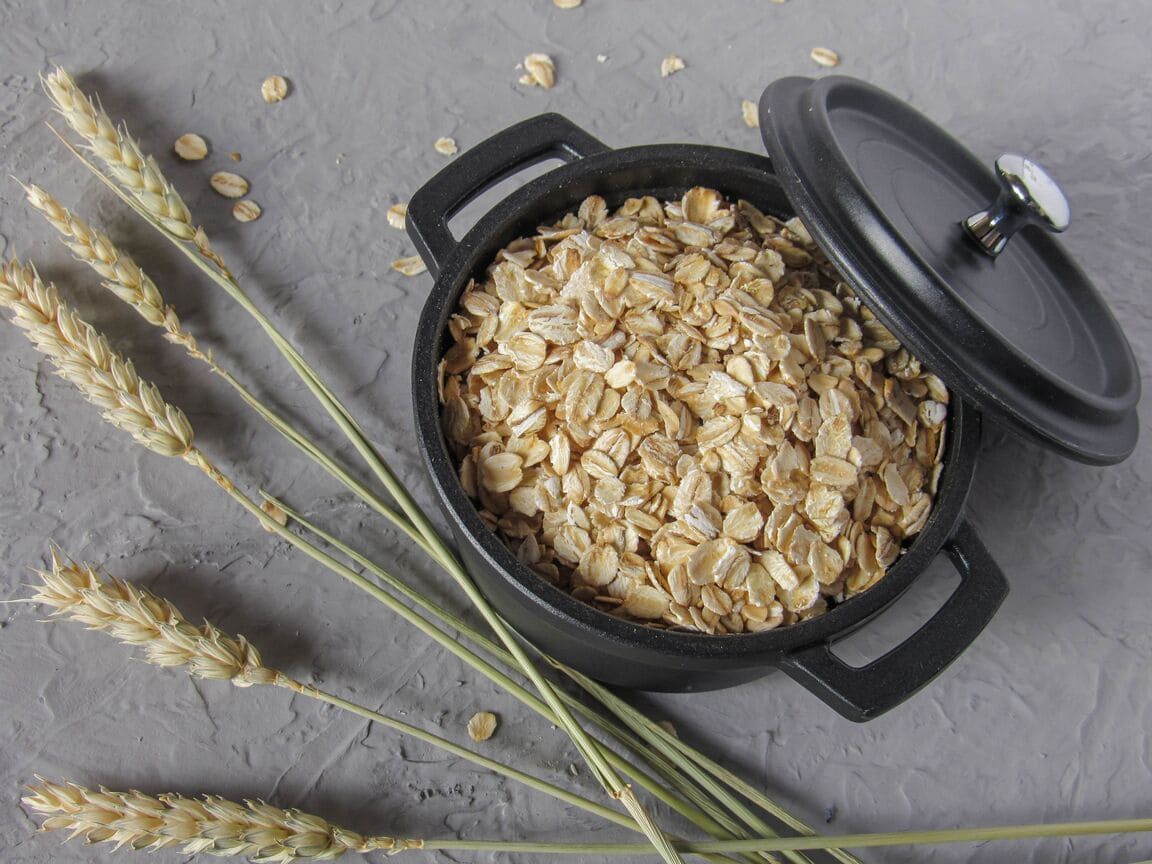
Oats contain avenanthramides; a unique group of antioxidants rarely found in other foods. Along with these plant compounds, oats provide beta-glucan fibre, plant-based protein, carbohydrates, and important minerals. Easy to prepare and suitable for both sweet and savoury meals, they can be a simple addition to a balanced diet.
Top 10 Health Benefits of Oats
Below is a list of the most notable health benefits of oats:
1. May Help Manage Cholesterol Levels
One of the better-known health benefits of oats comes from beta-glucan. This soluble fibre can help lower LDL cholesterol when oats are eaten regularly as part of a balanced diet.
2. May Support Heart Health
Among the advantages of oats is that they fit perfectly into a heart-friendly diet. Their beta-glucan fibre can support healthy cholesterol levels, while plain oats are naturally low in saturated fat.
3. May Support Healthy Blood Sugar Levels
The soluble fibre in oats can slow digestion and carbohydrate absorption. This may support a more gradual rise in blood glucose after a meal, particularly with less processed varieties.
4. Can Support Regular Bowel Movements
Oat fibre absorbs water and adds bulk to stools, which can support regular bowel movements. Increasing fibre gradually may help reduce gas or bloating.
5. May Support Gut Health
One of the uses of oats is adding fermentable fibre to everyday meals. Gut bacteria break down some of this fibre and produce compounds that may help support a healthy digestive environment.
6. Can Help You Feel Full for Longer
Oats absorb liquid and can make meals more filling. Their fibre content may help you stay satisfied between meals and manage unnecessary snacking.
7. Provides Energy
Oats provide carbohydrates, which the body uses for energy. Their fibre content also slows digestion, making them a useful option for a balanced meal.
8. Contributes to Muscle Maintenance
The uses of oats go beyond their fibre content. They also provide plant-based protein, which can help contribute to muscle maintenance and tissue repair.
9. Provides Important Minerals
Oats contain magnesium, phosphorus, iron, and zinc. These nutrients support functions such as bone health, oxygen transport, and normal muscle and nerve function.
10. Provides Natural Plant Compounds
Oats contain antioxidants known as avenanthramides. These plant compounds have antioxidant properties and have been studied for their potential role in supporting health.
Nutritional Value of Oats
The following table provides the approximate nutritional value of 100 g of plain, dry oats.
Nutrient | Approximate Amount per 100 g |
Energy | 389 kcal |
Carbohydrates | 66.3 g |
Protein | 16.9 g |
Dietary Fibre | 10.6 g |
Fat | 6.9 g |
Iron | 4.7 mg |
Magnesium | 177 mg |
Phosphorus | 523 mg |
Note: Values may vary depending on the type and processing method.
Key Facts About Oats
Oats are a whole-grain cereal.
Steel-cut and rolled oats generally undergo less processing than many instant varieties.
Oats are naturally gluten-free, but cross-contact with gluten-containing grains can occur during processing.
Flavoured varieties may contain added sugar or sodium.
Note:
Toppings and portion sizes can change the overall nutritional value of an oat-based meal.
People with coeliac disease should choose oats specifically labelled gluten-free.
Those managing blood sugar levels may also need to consider portion sizes and added ingredients.
Possible Side Effects of Oats
The side effects of oats are generally mild and may occur when fibre intake increases too quickly. Some people may experience:
Gas
Bloating
Stomach discomfort
Nausea (in individuals with an oat allergy)
Starting with smaller portions and drinking enough water can make the adjustment easier.
Importance of Health Insurance
Oats can be a nutritious addition to your everyday diet, but healthy eating alone cannot prepare you for every medical need. Health insurance can offer financial support when unexpected treatment or hospitalisation expenses arise.
SBI General Insurance offers health plans such as SBI General Health Alpha and Super Health Insurance for different healthcare needs. With access to 18,000+ network hospitals, you can seek cashless treatment at a nearby network facility. You also get 24×7 customer support and a smooth claims process, while the SBI General Insurance mobile App lets you conveniently raise and track claims.
Conclusion
Oats are an easy way to add fibre, plant-based protein, and important nutrients to everyday meals. The health benefits of oats can range from supporting digestion and heart health to helping you feel full for longer. Consider choosing plain varieties where possible and enjoy them as part of a varied, balanced diet.
Note: This article is for informational purposes only and is not medical advice. Consult a qualified healthcare professional for diagnosis or treatment decisions.
FAQs
1. Are oats beneficial for heart health?
Yes. Beta-glucan in oats can help maintain healthy cholesterol levels, which may support heart health as part of a balanced diet.
2. Can oats help lower cholesterol levels?
Yes. Oat beta-glucan can help reduce total and LDL cholesterol when consumed regularly as part of an appropriate diet.
3. Are oats good for digestive health?
Yes. Their fibre can support regular bowel movements and beneficial gut bacteria. Gradual fibre intake may help to reduce digestive discomfort.
4. Can eating oats support weight management?
Oats can help you feel full for longer, which may make portion control easier. However, weight management also depends on your overall diet and physical activity.
5. Do oats help maintain healthy blood sugar levels?
Less processed oats may support a steadier blood glucose response because of their fibre content. However, portion sizes and added ingredients also matter.
This blog is intended solely for educational and informational purposes. Content reflects data at time of publication and may not accurately reflect current premiums, terms, or regulations. Readers are encouraged to confirm the accuracy and relevance of the data before making any significant decisions. SBI General Insurance disclaims responsibility for any errors or consequences arising from the use of outdated information provided herein. For more details, please refer to the policy wordings and prospectus before concluding the sales. *Add-ons are subject to payment of additional premium.
Access and manage all your Insurance Needs in one place, right at your Fingertips.




4/5*
Access and manage all your Insurance Needs in one place, right at your Fingertips.



Vision
Our vision is to become the most trusted general insurer for a transforming India.
Mission
Our mission is to provide simple and innovative general insurance solutions, be responsive to our customers' needs and build a sustainable business for the future.
We're socially active!