


 Contact Us


 Other Insurance
Health Benefits of Paneer
Date: Sep 25, 2026 - Last Modified Sep 25, 2026


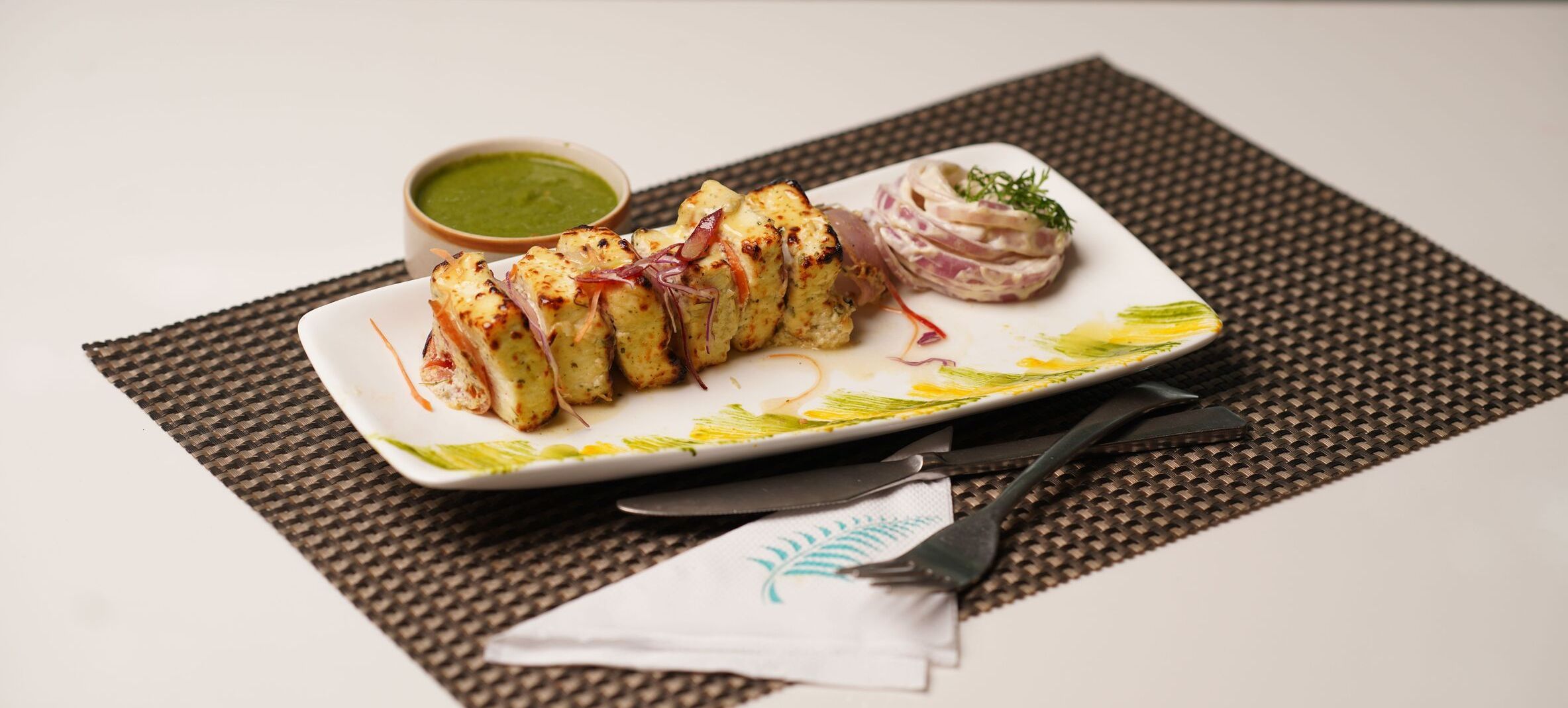
Paneer is a fresh cheese that requires no ageing or ripening and can be prepared within just a few hours. Made by curdling milk with an acidic ingredient and separating the curds from the whey, paneer has a mild flavour and firm texture. It works well in everything from curries and grilled dishes to wraps and salads.
A closer look at paneer nutrition reveals a rich blend of protein, calcium, phosphorus and other essential nutrients. This nutritional profile explains many of the paneer benefits, including its role in maintaining healthy bones, supporting muscle function and contributing to daily protein and mineral intake.
Top 10 Health Benefits of Paneer
Top 10 Health Benefits of Paneer
The health benefits of paneer come largely from its combination of protein, calcium, phosphorus, fats and other micronutrients. Each plays a distinct role in the body, making paneer more than simply a vegetarian source of protein.
Here are ten paneer benefits worth knowing:
1. May Support Muscle Growth and Recovery
Paneer is a useful source of protein, particularly for vegetarian diets. Protein supplies amino acids that the body uses to build and repair muscle tissue, including after physical activity. Getting enough paneer protein as part of an adequate overall protein intake can also help maintain muscle mass across different stages of life.
2. May Help Maintain Strong Bones
Calcium and phosphorus are two minerals closely associated with bone health, and paneer provides both. Calcium contributes to normal bone structure, while phosphorus is involved in bone mineralisation. Regularly consuming calcium-rich foods can help meet the nutritional requirements needed to maintain bone strength over time.
3. May Promote Satiety
A protein-rich meal tends to be more satisfying, which can help keep hunger at bay between meals. Paneer also contains fat, adding to its satiating quality. Pairing a moderate portion with vegetables or whole grains can create a filling, nutritionally balanced meal without relying on frequent snacks.
4. Can Fit into a Weight-Management Diet
Using paneer for weight loss is less about the food itself causing weight reduction and more about how it fits into the overall diet. Its protein content can promote fullness, while its relatively low carbohydrate content may suit certain eating patterns. Since paneer can also contain considerable fat and calories, portion size and preparation matter. Grilled or lightly cooked paneer, for example, may be preferable to versions prepared with large amounts of cream or oil when managing calorie intake.
5. Contributes to Daily Energy Intake
Paneer provides both protein and fat, giving the body nutrients it can use for energy and other essential functions. Dietary fat also assists with the absorption of fat-soluble vitamins such as A, D, E and K. The amount of fat can vary considerably depending on the milk and preparation method used, an important consideration when assessing paneer nutrition.
6. May Contribute to Normal Immune Function
Adequate protein intake is important for the production and function of immune cells, antibodies and other components of the immune system. As a protein-rich food, paneer can contribute to these daily requirements. Its role is supportive rather than protective against specific infections, and immune health depends on the wider quality and variety of the diet.
7. May Support Healthy Teeth
The calcium and phosphorus found in paneer are also important for maintaining teeth. These minerals form part of the hard structure of teeth and are particularly important during periods of growth and development. Paneer can therefore contribute to daily mineral intake alongside other dairy products and calcium-rich foods.
8. Provides Minerals Involved in Blood Pressure Regulation
Dairy foods can provide minerals involved in normal cardiovascular and muscular function, including calcium and varying amounts of potassium and magnesium. These nutrients participate in processes such as muscle contraction, nerve signalling and fluid balance, all of which are relevant to blood pressure regulation. However, paneer can contain significant sodium depending on how it is prepared, so it should not be described as a food that directly lowers blood pressure.
9. May Be Easier to Include Than Some Other Protein Sources
Paneer's soft texture and mild flavour make it easy to incorporate into a variety of everyday meals. It can be grilled, added to curries and salads, used as a filling for wraps or paired with vegetables and whole grains. This versatility can be useful for vegetarians looking for easy ways to increase their protein intake without making significant changes to their usual meals.
Since paneer protein also comes alongside nutrients such as calcium and phosphorus, it can contribute to both protein and mineral requirements at the same time.
10. Contributes to Normal Muscle Function
Muscles rely on more than protein to function effectively. Calcium helps regulate the process of muscle contraction, while potassium is involved in transmitting the nerve signals that prompt muscles to move. Paneer contains these minerals alongside protein, giving its nutritional profile relevance to both muscle maintenance and normal movement.
Nutritional Value of Paneer
Paneer is a nutrient-dense dairy food that provides protein, fat and several essential minerals and vitamins. The nutritional composition of 100 grams of paneer is as follows:
Nutrient | Amount per 100 g |
Energy | ~310 kcal |
Carbohydrate | 3g |
Fat | 23-25 g |
Protein | 20 g |
Cholesterol | 76 mg |
Iron | 0.9 mg |
Calcium | 500-600 mg |
Potassium | 63 mg |
Copper | 0.10 mg |
Phosphorus | ~250 mg |
Zinc | 2.74 mg |
Magnesium | 25 mg |
Selenium | 5 µg |
Manganese | 0.130 mg |
Vitamin A | 212 µg |
Vitamin B12 | 0.28 µg |
Vitamin B9 (Folate) | 23 µg |
Vitamin B7 (Biotin) | 21 µg |
Vitamin B6 | 0.040 mg |
Vitamin B5 | 0.490 mg |
Vitamin B3 | 0.130 mg |
Vitamin B2 | 0.100 mg |
Vitamin B1 | 0.020 mg |
Disclaimer: The nutritional value may differ based on factors like type/ quality of milk used and manufacturing process.
Key Facts About Paneer
Beyond its familiar place in Indian cuisine, paneer has several interesting characteristics related to how it is made, stored and used. Here are some key facts about paneer:
Paneer does not require ageing: Unlike many varieties of cheese, paneer is a fresh cheese that can be consumed soon after it is prepared.
It is made using acid rather than rennet: Paneer is traditionally produced by adding an acidic ingredient, such as lemon juice or citric acid, to heated milk. This separates the milk into curds and whey.
Paneer generally does not melt when heated: Its structure allows it to retain its shape during cooking, making it suitable for grilling, frying and adding to curries.
Its nutritional profile can vary: The calories, protein and fat in paneer depend partly on the type of milk used and the preparation method. Paneer made from full-fat milk, for instance, typically contains more fat than versions prepared with lower-fat milk.
How to Add Paneer to Your Diet?
Paneer is one of those ingredients that can take on a completely different character depending on how it is prepared. Its mild flavour readily picks up spices and seasonings, while its firm texture holds up well across different cooking methods. From curries and grills to wraps and salads, there are plenty of ways to enjoy paneer without serving it the same way every time.
Grill It: Marinate paneer with yoghurt, herbs and spices before grilling for a flavourful preparation with a lightly charred finish.
Add It to Curries: Pair paneer with tomato, spinach or other gravies for a hearty dish that takes on the flavours of different spices and seasonings.
Toss It into Salads: Add grilled or lightly sautéed paneer to fresh vegetables and greens for extra protein and texture.
Use It in Wraps: Combine paneer with vegetables, chutneys or sauces to create a convenient and filling meal.
Crumble It: Mix crumbled paneer with vegetables, herbs or spices and use it in sandwiches, parathas or other everyday dishes.
Note: The suitability of paneer and its preparation methods may vary depending on individual dietary needs, health conditions and calorie requirements. Portion sizes and ingredients used in cooking should be considered as part of a balanced diet.
Possible Side Effects of Paneer
Paneer can be a nutritious addition to the diet, but it may not agree with everyone, especially when consumed in large quantities or in certain health conditions. Some possible side effects to keep in mind include:
Digestive Discomfort: Eating too much paneer may lead to bloating, heaviness or digestive discomfort in some individuals.
Lactose Sensitivity: Paneer contains some lactose, so people with lactose intolerance may experience symptoms such as gas, bloating or abdominal discomfort. Individual tolerance can vary.
Higher Calorie Intake: Full-fat paneer can be relatively high in calories and fat. Large portions, particularly when combined with rich gravies or fried preparations, can significantly increase the calorie content of a meal.
Saturated Fat Intake: Depending on the type of milk used, paneer can contain saturated fat. Frequent consumption in large quantities may make it harder to keep saturated fat intake within recommended limits.
Milk Allergy: Since paneer is made from milk, it is unsuitable for people with a cow's milk protein allergy. Reactions can range from mild symptoms to more serious allergic responses.
Importance of Health Insurance
Paneer can be a nutritious addition to everyday meals, providing protein, calcium and other nutrients that form part of a balanced diet. However, eating well is only one aspect of looking after your health. Medical needs can arise unexpectedly, and health insurance plans can provide a financial cushion against eligible healthcare expenses, helping you stay better prepared for the cost of treatment. For households looking to protect more than one member, family health insurance can also help manage medical expenses under a suitable policy.
Plans like Super Health Insurance from SBI General Insurance offers sum insured options ranging from ₹3 lakh to ₹2 crore, allowing individuals and families to choose coverage according to their healthcare requirements and budget. Policyholders can access 24x7 customer support, visit any of 18000+ network hospitals, and use the SBI General Insurance app to manage their policy, access policy documents, intimate and track claims, and locate nearby network hospitals.
Disclaimer: Health insurance coverage, benefits, eligibility, waiting periods and exclusions are subject to the applicable policy terms and conditions. Please refer to the policy wording and product documents for complete details.
Conclusion
Paneer combines nutritional value with the versatility to fit easily into a variety of meals. As a source of protein, calcium and other nutrients, it can form part of a balanced diet while offering plenty of flexibility in the kitchen. Whether grilled, crumbled, sautéed or added to curries and salads, choosing suitable portions and preparation methods can help you enjoy the paneer benefits while keeping everyday meals varied and nutritious.
FAQs
1. What are the primary health benefits of paneer?
Paneer may support muscle maintenance, bone and dental health, satiety and daily nutrient intake. These paneer benefits largely come from its protein, calcium, phosphorus, fats and other nutrients.
2. How much protein does paneer contain?
Around 100 g of paneer can provide approximately 18 to 21 g of protein, although the amount varies depending on the type of milk and preparation method. This makes paneer protein a useful source of protein, particularly for vegetarian diets.
3. Is paneer good for weight loss?
Yes, it can be. Using paneer for weight loss may help increase protein intake and promote fullness, which can make it easier to manage hunger. However, portion size, fat content and cooking method should be considered when managing overall calorie intake.
4. Can paneer improve bone strength?
Paneer can support bone health. It provides calcium and phosphorus, two minerals needed for maintaining normal bone structure and strength. However, bone health also depends on factors such as overall nutrition and physical activity.
5. Does paneer aid in muscle recovery?
Yes, it can support muscle recovery. The protein in paneer provides amino acids that the body uses to repair and maintain muscle tissue, making it a useful protein source after physical activity as part of a balanced diet.
6. Can paneer be eaten daily?
Yes, paneer can be eaten daily if the portion fits an individual's nutritional needs, calorie requirements and dairy tolerance. Since full-fat paneer can contain considerable calories and saturated fat, the quantity and preparation method matter.
7. Is paneer suitable for individuals with lactose intolerance?
It depends on individual tolerance. Paneer contains lactose, and some people with lactose intolerance may be able to tolerate small amounts, while others may experience bloating, gas, abdominal discomfort or diarrhoea after consuming it.
This blog is intended solely for educational and informational purposes. Content reflects data at time of publication and may not accurately reflect current premiums, terms, or regulations. Readers are encouraged to confirm the accuracy and relevance of the data before making any significant decisions. SBI General Insurance disclaims responsibility for any errors or consequences arising from the use of outdated information provided herein. For more details, please refer to the policy wordings and prospectus before concluding the sales. *Add-ons are subject to payment of additional premium.
Access and manage all your Insurance Needs in one place, right at your Fingertips.




4/5*
Access and manage all your Insurance Needs in one place, right at your Fingertips.



Vision
Our vision is to become the most trusted general insurer for a transforming India.
Mission
Our mission is to provide simple and innovative general insurance solutions, be responsive to our customers' needs and build a sustainable business for the future.
We're socially active!