

 Contact Us


 Other Insurance
Health Benefits of Pearl Millet
Date: Sep 2, 2026 - Last Modified Sep 2, 2026


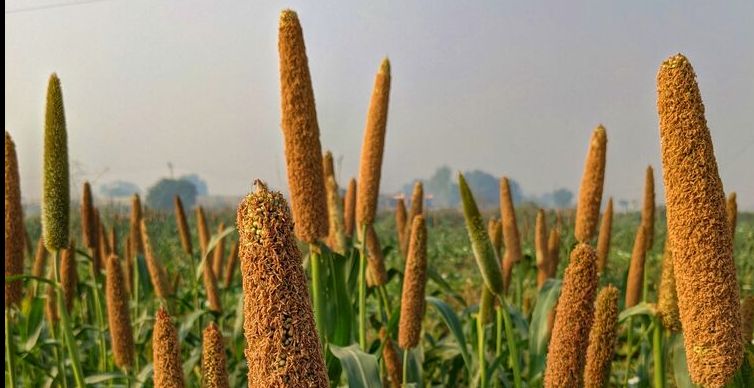
Pearl millet is believed to have been cultivated for thousands of years, making it one of the world's long-standing cereal crops. Known as bajra in India, this grain has remained an important part of traditional diets, particularly in regions with hot and dry climates.
But bajra has more to offer than its versatility. It provides protein, fibre, carbohydrates and minerals such as iron and magnesium. These nutrients are linked to several bajra benefits, from supporting digestion and energy metabolism to contributing to a balanced and nutritious diet.
Top 10 Health Benefits of Pearl Millet
The health benefits of bajra come from its combination of complex carbohydrates, fibre, protein, minerals and naturally occurring plant compounds. Each plays a different role in the body, from providing energy to supporting digestion and normal blood formation. Here are 10 notable pearl millet benefits and how they work:
1. May Support Digestive Health
Bajra provides dietary fibre, including insoluble fibre that adds bulk to stools and helps food waste move through the digestive tract. This can support regular bowel movements and make stools easier to pass. Fibre that reaches the large intestine may also interact with gut bacteria, adding another dimension to the digestive bajra benefits.
2. May Support Steadier Blood Sugar Levels
The fibre and complex carbohydrates in pearl millet can slow the digestion and absorption of carbohydrates compared with rapidly digested refined foods. This may lead to a more gradual rise in blood glucose after a meal. However, the effect can vary depending on how bajra is processed, prepared and combined with other foods.
3. May Support Iron Intake
Iron is one of the important minerals found in pearl millet. The body uses iron to produce haemoglobin, the protein in red blood cells is responsible for carrying oxygen around the body. Including bajra alongside vitamin C-rich foods can also help improve the absorption of plant-based iron.
4. May Contribute to Heart Health
Pearl millet provides magnesium, potassium and fibre, which support cardiovascular function in different ways. Potassium contributes to the maintenance of normal blood pressure, while magnesium is involved in normal muscle and blood vessel function. Fibre can also help support healthy cholesterol levels as part of a balanced diet.
5. May Provide Sustained Energy
Carbohydrates are the body's primary source of energy, and bajra provides them alongside fibre and protein. Fibre slows digestion, which can make the energy from a meal available more gradually. B vitamins also participate in processes that convert nutrients from food into usable energy, adding to the value of the bajra nutrition profile.
6. May Help with Fullness and Weight Management
The combination of fibre and protein in bajra can make meals more satisfying. Both nutrients help promote fullness, which may make it easier to manage hunger between meals. This is why bajra for weight loss may be incorporated into a balanced, portion-controlled diet rather than relied upon as a weight-loss food by itself.
7. May Support Bone Health
Pearl millet supplies minerals such as phosphorus and magnesium that contribute to normal bone health. Phosphorus forms part of the mineral structure of bones and teeth, while magnesium is involved in bone formation and calcium metabolism. Regularly obtaining these minerals through a varied diet helps maintain normal bone structure.
8. Provides Plant-Based Protein
Protein supplies amino acids that the body uses to build and repair tissues and perform numerous cellular functions. Bajra can contribute to daily protein intake, particularly in vegetarian diets. Pairing it with pulses such as moong dal, chana or rajma can provide a broader mix of amino acids within a meal.
9. May Provide Antioxidant Support
Another aspect of pearl millet benefits comes from its naturally occurring phenolic compounds and other antioxidants. These compounds can help neutralise free radicals, which may otherwise contribute to oxidative stress when present in excess. This helps support the body's natural mechanisms for protecting cells from oxidative damage.
10. May Support Normal Immune Function
Pearl millet provides nutrients such as iron, zinc and B vitamins that perform various roles in normal immune function. Zinc, for example, is involved in the development and function of immune cells, while iron supports processes needed for normal immune responses. Bajra can therefore contribute these nutrients as part of a varied and balanced diet.
Nutritional Profile of Bajra (Per 100 g)
A closer look at bajra nutrition shows why this traditional grain can be a valuable addition to a balanced diet. Along with carbohydrates and plant-based protein, pearl millet provides fibre and minerals such as iron, magnesium and phosphorus.
Nutrient | Approximate amount per 100 g |
Energy | 361 kcal |
Protein | 11.6 g |
Carbohydrates | 67 g |
Dietary fibre | 8 g |
Fat | 5 g |
Calcium | 42 mg |
Iron | 2.8 mg |
Phosphorus | 296 mg |
Note: Nutritional values can vary depending on the variety of pearl millet, processing method and data source.
Key Facts About Pearl Millet
Here are some key facts about pearl millet:
Its tiny grains are built for extreme heat: Pearl millet can tolerate high temperatures and low rainfall, making it particularly valuable in hot and semi-arid regions where growing other cereal crops can be challenging.
India is the world’s largest producer: Pearl millet, commonly known as bajra, is an important millet crop in India, with state of Rajasthan being among its major producer.
It has an ancient connection to India: Although pearl millet was domesticated in Africa, archaeological evidence suggests it reached the Indian subcontinent thousands of years ago and has been part of local food traditions ever since.
Its flour behaves differently from wheat: Bajra is naturally gluten-free, so its flour does not develop the stretchy gluten network found in wheat dough. This is one reason bajra rotis are traditionally shaped by hand rather than rolled using a rolling pin like wheat rotis.
How to Include Pearl Millet in Your Diet?
Although bajra is commonly associated with winter preparations, it can be consumed during other seasons as well. Here some simple ways to include it in your diet:
Prepare bajra roti: Use pearl millet flour to prepare rotis or other traditional flatbreads.
Make bajra khichdi: Cook pearl millet with a pulse such as moong dal and add vegetables or spices according to preference.
Prepare pearl millet porridge: Boil the grain with water or milk and add suitable flavourings.
Use it in soups: Mix pearl millet flour with water and cook it with vegetables to prepare a thick soup.
Prepare pancakes: Pearl millet flour can form the base of pancakes combined with other suitable ingredients.
Make bajra methi thepla: Combine bajra flour with fresh fenugreek leaves, wheat flour and spices before cooking it on a griddle.
Try fermented preparations: Pearl millet can form part of fermented batters used for dishes such as dosa or idli.
Possible Side Effects of Pearl Millet
Pearl millet is generally well tolerated. However, its high fibre content and certain naturally occurring compounds may cause certain side effects that should also be considered along with health benefits of bajra.
Digestive discomfort: Pearl millet is rich in fibre. Suddenly eating large portions may cause bloating, gas or abdominal discomfort in some people. Increasing fibre intake gradually gives the digestive system time to adjust.
Thyroid considerations: Pearl millet contains naturally occurring compounds that may affect thyroid function when consumed in very large amounts, particularly alongside inadequate iodine intake. People with thyroid conditions should seek individual dietary guidance rather than avoiding bajra altogether.
Reduced mineral absorption: Pearl millet contains phytates and other compounds that can form binds with minerals such as iron, zinc and calcium and reduce their absorption in the body. Traditional preparation methods such as soaking, sprouting and fermentation may help reduce some of these antinutritional compounds.
Constipation with inadequate hydration: Fibre absorbs water and adds bulk to stools. Increasing bajra or other fibre-rich foods without drinking enough fluids may therefore make stools harder to pass in some individuals. Adequate hydration is important when increasing fibre intake.
Considerations for coeliac disease: Pearl millet is naturally gluten-free and can be suitable for people with coeliac disease. However, bajra flour and packaged millet products may come into contact with gluten-containing grains during processing or storage. People with coeliac disease should therefore choose products specifically labelled or certified gluten-free.
Amino acid considerations: Although bajra provides useful plant-based protein, it is relatively low in the essential amino acid lysine. Pairing it with lysine-rich foods such as pulses, beans or lentils can provide a more balanced amino acid profile.
Importance of Health Insurance
Eating nutritious foods such as bajra and following a balanced lifestyle can support everyday health, but healthcare needs are not always predictable. Medical consultations, tests, treatments or hospitalisation can lead to unexpected expenses. A reliable individual or family health insurance plan can provide financial support for covered medical costs and help you access necessary care without having to rely entirely on your savings.
For added protection against higher medical expenses, SBIG Health Super Top-Up Policy can complement your existing health insurance cover. With sum insured options ranging from ₹5 lakh to ₹4 crore, it gives you the flexibility to strengthen your financial protection based on your needs. Add 24x7 customer support and a smooth claims process, and you have extra support to manage covered healthcare expenses when required.
Conclusion
Pearl millet shows how a traditional grain can still find a place in modern, balanced diets. With the value offered by bajra nutrition and its versatility in dishes such as rotis, khichdi, porridge, soups and fermented preparations, it can be an easy way to add variety to everyday meals. Ultimately, enjoying bajra as part of a diverse diet can help you benefit from its fibre, protein, minerals and other nutrients while keeping meals both nutritious and interesting.
FAQs
1. What are the nutritional benefits of pearl millet?
Pearl millet provides protein, fibre, carbohydrates and minerals such as iron and magnesium. These nutrients contribute to functions involving energy, digestion, muscles and other body processes.
2. How does pearl millet help in managing diabetes?
Its carbohydrates digest gradually, while fibre can slow carbohydrate absorption. Consequently, pearl millet may produce a steadier rise in blood glucose and support blood sugar management.
3. Can pearl millet improve heart health?
Yes. Pearl millet contains magnesium, potassium and fibre, which may support cardiovascular health through functions related to blood pressure, blood vessels and cholesterol management.
4. Is pearl millet good for digestive health?
Yes. Its insoluble fibre can add bulk to stools and promote regular bowel movements. This can support digestion and help reduce constipation.
5. Does pearl millet aid in weight management?
Its fibre and protein can promote fullness, which may help control hunger and calorie intake. Its slowly digested carbohydrates can also provide steadier energy between meals.
6. Is bajra good to eat in summer?
Yes. Bajra can be consumed during the summer, but in lesser quantities and with the right preparation.
7. Who should avoid eating bajra?
Individuals with thyroid conditions or sensitive digestive systems may need to be particularly mindful of high millet intake. Those with specific medical or nutritional requirements should also seek guidance from a qualified healthcare professional.
This blog is intended solely for educational and informational purposes. Content reflects data at time of publication and may not accurately reflect current premiums, terms, or regulations. Readers are encouraged to confirm the accuracy and relevance of the data before making any significant decisions. SBI General Insurance disclaims responsibility for any errors or consequences arising from the use of outdated information provided herein. For more details, please refer to the policy wordings and prospectus before concluding the sales. *Add-ons are subject to payment of additional premium.
Access and manage all your Insurance Needs in one place, right at your Fingertips.




4/5*
Access and manage all your Insurance Needs in one place, right at your Fingertips.



Vision
Our vision is to become the most trusted general insurer for a transforming India.
Mission
Our mission is to provide simple and innovative general insurance solutions, be responsive to our customers' needs and build a sustainable business for the future.
We're socially active!