


 Contact Us


 Other Insurance
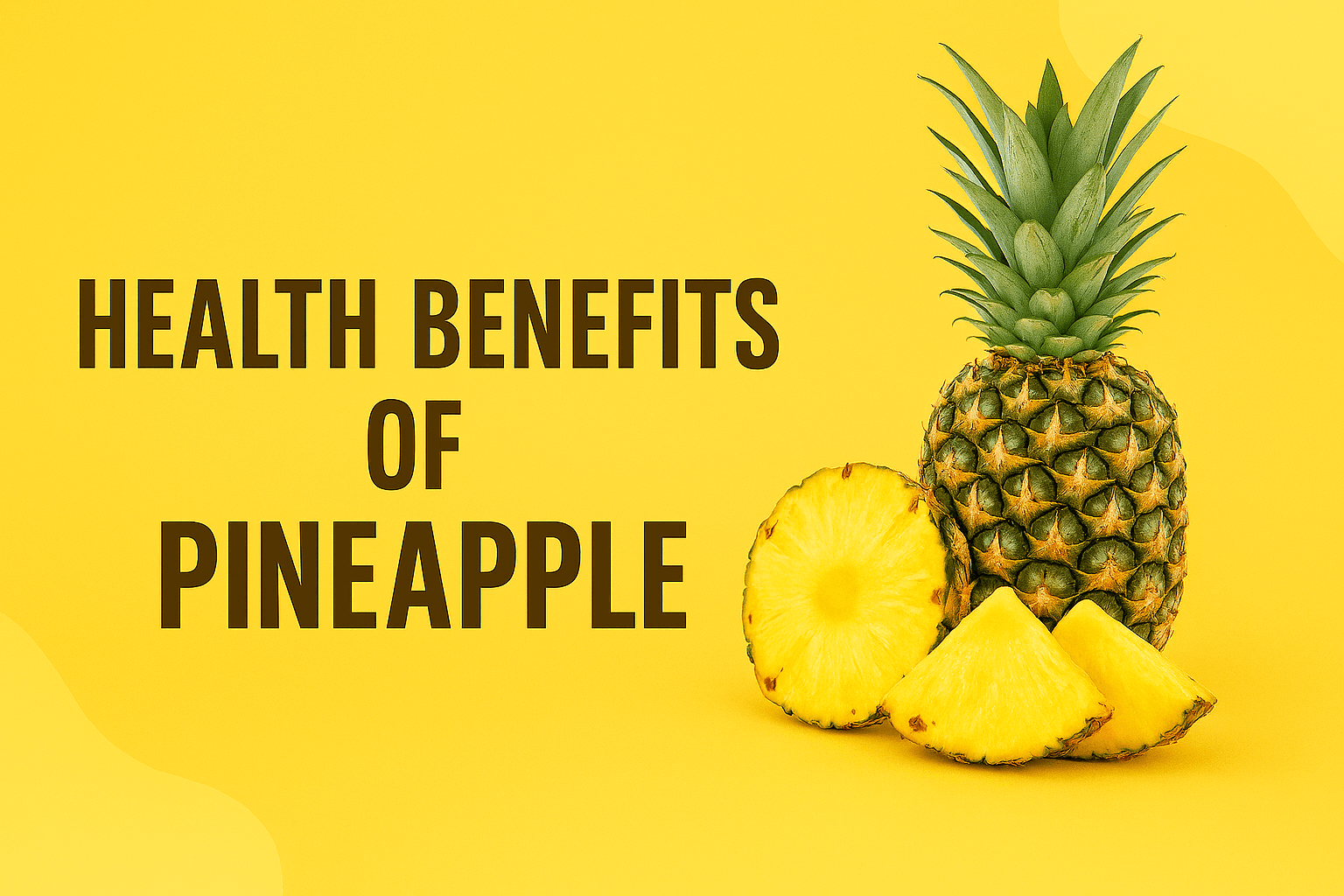
Health Benefits of Pineapple
Date: Jun 11, 2026 - Last Modified Jun 11, 2026


Pineapple is a tropical fruit loved for its sweet flavour and refreshing texture. People enjoy it in many ways, whether as fresh fruit, juice, smoothies, salads, or desserts. It is easy to prepare, widely available, and fits naturally into a variety of meals and snacks.
This article looks at the various pineapple benefits, its nutritional value, and some simple ways to include it in your daily diet.
Nutritional Value of Pineapple
Pineapple contains a host of nutrients that add to its nutritional value. It is naturally low in fat and provides vitamins, minerals, fibre, and plant compounds that can support a balanced diet.
The table below shows the approximate nutritional value of 1 cup (approximately 165 g) of pineapple.
Nutrient | Amount per 1 Cup (165 g) |
Calories | 82.5 kcal |
Carbohydrates | 21.6 g |
Sugars | 16.3 g |
Fibre | 2.3 g |
Protein | 0.9 g |
Fat | 0.2 g |
Vitamin C | 78.9 mg (88% DV) |
Manganese | 1.5 mg (76% DV) |
Vitamin B6 | 0.2 mg (9% DV) |
Folate | 30 mcg |
Potassium | 180 mg |
Bromelain (enzyme) | Present
|
Note: The nutritional values mentioned above are approximate. They can vary depending on the variety, ripeness, and serving size of the pineapple.
Health Benefits of Pineapple
The following are eight benefits of eating pineapple regularly in moderation:
Rich in Vitamin C
Pineapple is a good source of vitamin C, a nutrient that plays an important role in many body functions. Vitamin C supports the immune system. It is also involved in the growth and repair of tissues throughout the body.
Contains Antioxidants
Pineapple contains antioxidants, like flavonoids and phenolic compounds. These substances protect the body's cells from damage caused by free radicals, which are produced naturally during everyday processes.
Supports Digestion
One of the unique components of pineapple is bromelain, a group of enzymes that helps break down proteins. Because of this, pineapple is often enjoyed after meals and is commonly associated with digestive comfort.
Supports Immune Function
The combination of vitamin C, antioxidants, and other nutrients makes pineapple a popular fruit for those looking to maintain a balanced diet. Regular consumption of fruits rich in these nutrients is often linked to healthy immune function.
May Help Reduce Inflammation
Bromelain has been studied for its anti-inflammatory properties. While more research is needed, pineapple is often included in discussions around foods that may help support the body's natural response to inflammation.
Boosts Hydration
Pineapple has high water content, making it a refreshing fruit, especially during warm weather. Eating water-rich fruits can contribute to daily fluid intake and help maintain hydration.
Supports Recovery After Physical Activity
Some studies have explored the role of bromelain in supporting recovery after exercise. Pineapple is therefore often included in post-workout smoothies and snacks because of its nutrient content and refreshing taste.
Easy Way to Add Fruit to Your Diet
Pineapple can be eaten on its own or added to smoothies, salads, yoghurt, and desserts. Its natural sweetness makes it an easy way to include more fruit in everyday meals without much preparation.
Pineapple is generally safe, but excessive intake may cause mouth irritation due to its acidity and bromelain content. People with allergies or specific health conditions should consult a healthcare professional.
A holistic approach to health includes both good nutrition and financial preparedness. Many people who focus on preventive wellness should also consider financial protection through a health insurance while maintaining healthy lifestyle habits. Good nutrition and regular health awareness often go hand in hand as part of a broader wellness approach.
Can Pineapple Help in Weight Loss?
Pineapple is not a weight-loss food on its own. However, it can be a good addition to a balanced diet plan. It is relatively low in calories and contains water and fibre, which can help you feel satisfied after eating.
Its natural sweetness can also make it a healthier alternative to high-calorie desserts and sugary snacks.
For this, however, it is best to choose fresh pineapple instead of processed pineapple products. This can help reduce overall calorie intake.
That said, no single food can cause weight loss. Maintaining a healthy weight depends on overall eating habits, physical activity, sleep, and other lifestyle factors. Pineapple can be enjoyed as part of a balanced diet that supports these goals.
For the best results, pair pineapple with other nutrient-rich foods such as fruits, vegetables, whole grains, and protein sources as part of a well-rounded eating plan.
Conclusion
Pineapple is a healthy and flexible fruit that fits into many diets. Its vitamins, water, sweetness, and easy use make it popular. You can eat it fresh, drink it as juice, or add it to recipes to make the most of pineapple benefits. Eating a variety of fruits as part of a balanced diet can help you stay healthy and make better food choices.
While maintaining a balanced diet is important, investing in health insurance is also wise. A suitable health insurance plan from SBI General Insurance can help individuals manage the unexpected expenses that arise from medical emergencies.
Note: This article is for informational purposes only and is not medical advice. Consult a qualified healthcare professional for diagnosis or treatment decisions.
Frequently Asked Questions
1. What are the health benefits of pineapple?
Pineapple contains vitamin C, antioxidants, water, and dietary fibre, making it a popular fruit in balanced diets. It is commonly consumed fresh, as juice, or in fruit-based recipes. Many people include pineapple in everyday meals because it provides natural sweetness and contributes to overall fruit intake.
The fruit is also valued for its versatility and nutritional profile. Pineapple can be added to smoothies, salads, breakfast bowls, and snacks, helping individuals enjoy a variety of nutrients as part of healthy eating habits and wellness-focused lifestyles.
2. Is pineapple good for digestion?
Pineapple contains bromelain, a naturally occurring enzyme that is often discussed in relation to digestion. Because of this, many people enjoy pineapple after meals or include it in regular dietary routines.
The fruit also contains water and fibre, which are commonly included in balanced eating patterns that support digestive comfort. Fresh pineapple, fruit salads, and homemade pineapple drinks are popular ways of including the fruit in daily meals.
3. Can pineapple help with weight loss?
Pineapple is often included in meal plans focused on balanced nutrition because it can be used as a fresh fruit snack or a natural alternative to highly processed sweet foods.
However, weight management depends on several factors. These include dietary habits, physical activity, sleep, and overall lifestyle choices. Pineapple can be one of many fruits included as part of a varied and balanced eating pattern.
4. Is it safe to eat pineapple every day?
Pineapple can be included in daily diets in moderate portions as part of a balanced meal plan.
This blog is intended solely for educational and informational purposes. Content reflects data at time of publication and may not accurately reflect current premiums, terms, or regulations. Readers are encouraged to confirm the accuracy and relevance of the data before making any significant decisions. SBI General Insurance disclaims responsibility for any errors or consequences arising from the use of outdated information provided herein. For more details, please refer to the policy wordings and prospectus before concluding the sales. *Add-ons are subject to payment of additional premium.
Access and manage all your Insurance Needs in one place, right at your Fingertips.




4/5*
Access and manage all your Insurance Needs in one place, right at your Fingertips.



Vision
Our vision is to become the most trusted general insurer for a transforming India.
Mission
Our mission is to provide simple and innovative general insurance solutions, be responsive to our customers' needs and build a sustainable business for the future.
We're socially active!