


 Contact Us



 Other Insurance
Health Benefits of Ramphal
Date: Oct 5, 2026 - Last Modified Oct 5, 2026


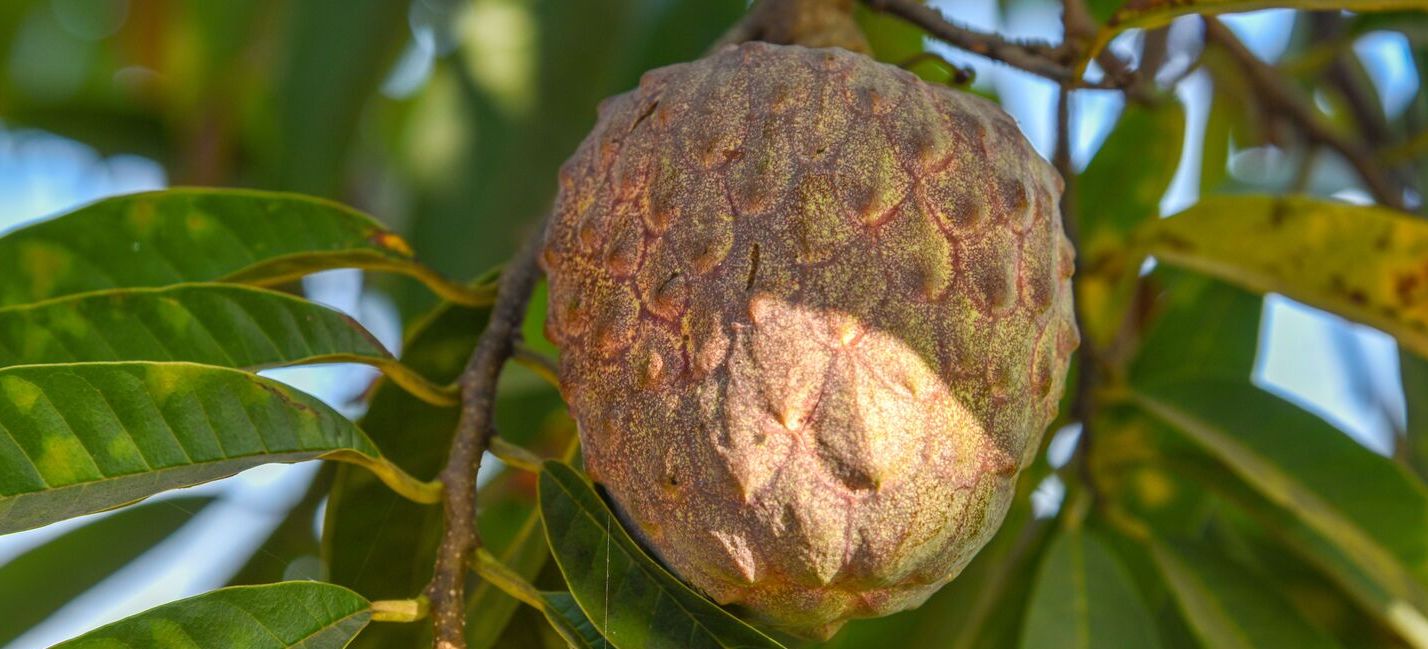
Ramphal gets its popular name “bullock’s heart” from the heart-like shape of its fruit. Also known scientifically as Annona reticulata, it belongs to the same botanical family as the more familiar sitaphal or custard apple.
Beneath its distinctive exterior is a soft, edible pulp containing carbohydrates, fibre, vitamin C and minerals such as potassium, magnesium, calcium and phosphorus. This nutritional profile adds to the potential ramphal fruit benefits when it is included as part of a balanced diet.
Interestingly, the fruit is not the only part of the ramphal plant used traditionally. Its leaves, bark and roots have also found a place in folk practices. However, these uses are different from simply eating the ripe fruit and should not be considered without appropriate professional guidance.
Top 10 Health Benefits of Ramphal
Ramphal may not be an everyday fruit for everyone, but its nutritional profile gives it plenty to offer. From supporting digestion to providing essential vitamins and minerals, here are 10 health benefits of eating ramphal worth knowing.
1. May Support Normal Immune Function
Ramphal contains vitamin C, which supports normal immune function. This vitamin supports immune cells that help the body respond to foreign substances. Vitamin C also works as an antioxidant, limiting the effects of free radicals formed during ordinary metabolism and environmental exposure. These actions mean the fruit can support both immune function and cellular protection through one nutrient, while vitamins A and B broaden the pulp's nutritional value.
2. Can Provide Antioxidant Support
Vitamin C and other naturally occurring plant compounds give ramphal antioxidant properties. Free radicals are unstable molecules that can interact with cells and contribute to oxidative stress when they accumulate. Antioxidants can neutralise some of these molecules before they cause further reactions. This makes antioxidant support one of the ramphal fruit benefits that facilitates the routine protection of cells and tissues throughout the body.
3. May Contribute to Cardiovascular Health
Ramphal provides vitamin C and potassium. Both these nutrients are associated with normal cardiovascular function.
Potassium helps maintain fluid balance and supports the electrical activity needed for muscles, including the heart, to contract.
Vitamin C adds antioxidant support and contributes to normal blood-vessel function.
Fibre provides another route of support because it influences how dietary fats are handled during digestion. Together, these roles explain why heart and circulation support may be considered among the ramphal benefits.
4. Can Supply Energy for Daily Activities
Carbohydrates are a major source of energy. During digestion, the body breaks usable carbohydrates down into glucose, which cells can use to power movement, concentration and other daily functions. Ramphal contains natural carbohydrates in its creamy pulp. It also contains B vitamins that participate in metabolic reactions involved in releasing energy from food.
Ramphal's energy contribution therefore comes from both the fuel present in the fruit and nutrients that support normal energy metabolism.
5. May Support Haemoglobin Formation
Iron is needed to form haemoglobin, the protein in red blood cells that transports oxygen from the lungs to tissues. Ramphal contains iron, so its pulp can offer a small amount towards dietary intake of this mineral. Adequate haemoglobin enables oxygen to reach cells that require it for energy production and other functions.
6. Can Facilitate Normal Muscle Function
Muscles depend on minerals and an adequate oxygen supply to contract and relax. Ramphal provides potassium and magnesium, which participate in nerve signalling and normal muscle activity. Its iron content supports haemoglobin formation and therefore the transport of oxygen to working tissues.
The natural carbohydrates present in the fruit provide a readily usable energy source for movement. These separate contributions make muscular support one of the practical benefits of eating ramphal, since the pulp supplies fuel alongside nutrients involved in normal contraction and oxygen delivery.
7. May Aid Digestive Regularity
Ramphal’s soft, creamy pulp also provides dietary fibre, which plays an important role in keeping the digestive system regular. It helps food move comfortably through the gut and may support smoother, more consistent bowel movements. Eating the fruit whole is a good way to retain its natural fibre, while straining it into a juice or drink may remove some of it. Since ripe ramphal is naturally soft, you can simply scoop out the pulp and enjoy it without much preparation.
8. May Help You Feel Satisfied
Ramphal contains fibre, which can help you feel full for longer after eating. Having the fresh pulp also means you keep more of the fruit’s natural fibre compared with a strained juice. If you prefer it as a drink, a smoothie that retains the pulp can be a more filling option. This makes satiety one of the notable ramphal fruit benefits, particularly when the whole pulp is eaten rather than strained out.
9. Can Support Skin and Hair Nutrition
Ramphal offers nutrients that play a part in maintaining healthy skin and hair. Its vitamin C content supports the body’s natural production of collagen, a protein that helps maintain skin structure, while also helping protect cells from oxidative stress. The fruit also provides:
Vitamin A, which maintains normal skin health.
Iron, which helps carry oxygen around the body.
Ramphal isn’t a quick fix for better skin or hair, but its nutrients can play a useful role in keeping both healthy as part of a balanced diet.
10. May Support Bone Support
Ramphal contains calcium and phosphorus, two minerals that play an important role in maintaining healthy bones and teeth. It also provides magnesium, which supports normal bone health and contributes to muscle function and several processes in the body. Including a variety of mineral-rich foods such as ramphal can help you meet your everyday nutritional needs.
Nutritional Value of Ramphal
Ramphal may be known for its sweet, creamy flesh, but it also brings a useful mix of carbohydrates, fibre, vitamin C and minerals to the diet. Here’s a quick look at the nutrients found in 100 grams of edible ramphal:
Nutrient | Amount per 100 g |
Energy | 101 kcal |
Carbohydrates | 25 g |
Protein | 1.7 g |
Total Fat | 0.6 g |
Dietary Fibre | 2.4 g |
Sugars | 17 g |
Vitamin C | 17.5 mg |
Calcium | 30 mg |
Iron | 0.7 mg |
Potassium | 382 mg |
Phosphorus | 18 mg |
Sodium | 4 mg |
Beyond these nutrients, ramphal also contains naturally occurring plant compounds, including saponins, tannins and terpenoids. These phytochemicals are studied for their biological properties, but their presence in the fruit should not be taken to mean that eating ramphal can treat or prevent a particular health condition.
Note: Nutritional values are approximate and may vary depending on the fruit’s ripeness, local growing conditions, climate and storage.
Where is Ramphal Usually Found?
Ramphal is native to the West Indies and grows in tropical and subtropical regions. It is cultivated in the Bahamas, Bermuda, southern Florida and parts of Central and South America.
In Asia, the tree is found in countries including India, Bangladesh and Pakistan.
In India, it is reported in West Bengal, Assam, Gujarat, Maharashtra, Tamil Nadu, Kerala and other southern regions.
Key Facts About Ramphal
Here are some key facts about ramphal:
It is related to sitaphal: Ramphal (Annona reticulata) and sitaphal (Annona squamosa) belong to the same Annonaceae family, which explains some of their similarities.
One fruit can have several colours: Depending on the variety and stage of ripeness, ramphal can have skin ranging from yellowish-brown to reddish or pinkish tones.
It grows in tropical climates: Ramphal thrives in warm regions and is cultivated across several tropical parts of the world, including India.
How to Consume Ramphal?
Ramphal can be enjoyed in various ways, as long as a ripe fruit is chosen and its soft pulp is separated from the seeds. The following are some simple ways to have this delicious fruit:
Fresh pulp: Scoop the ripe flesh from the skin, remove every seed and eat it directly.
Milkshakes: Blend deseeded pulp with milk for a thick drink.
Breakfast bowls: Stir smooth pulp into porridge or yoghurt for flavour and softness.
Smoothies: Blend the pulp with other fruit or a suitable liquid while retaining its fibre.
Fruit spreads: Cook the pulp into a jam or spread that uses its sweetness and soft texture.
Frozen desserts: Add deseeded pulp to ice cream or another frozen preparation.
Note: Ramphal can be enjoyed as a nutritional snack. But how often you eat it entirely depends on your individual health needs. If you have allergies, take regular medicines or are managing a health condition, check with your doctor before making it a regular part of your diet. Also, stick to the edible fruit. Avoid consuming the seeds, leaves, bark, roots or concentrated preparations unless specifically advised by a doctor or a qualified nutritionist/dietician.
Possible Side Effects of Ramphal
It is generally safe to consume ramphal in moderation. However, excessive consumption may lead to certain side effects.
Stomach discomfort: Eating too much ramphal at once may leave some people feeling bloated or uncomfortable. Enjoying it in moderation is a better approach.
Allergies: Although uncommon, some people may be sensitive to ramphal or related fruits. Stop eating it if you notice signs of an allergic reaction.
Seeds: The seeds are not meant to be eaten. Avoid chewing, crushing or swallowing them, and remove them before eating the pulp.
Unripe fruit: Ramphal is best eaten when fully ripe. Unripe fruit can be hard and less pleasant to eat and may be more difficult to digest.
Individual health needs: If you have an existing health condition, take regular medication, or are pregnant or breastfeeding, check with a healthcare professional if you're unsure whether ramphal is suitable for you.
Note: Consult a qualified medical practitioner if you experience persistent side effects or have concerns about eating ramphal.
Importance of Health Insurance
Eating well and staying active can help you look after your health, but medical problems can still come up when you least expect them. This is where health insurance can make a difference by helping you manage eligible medical expenses. When you're planning for the whole household, family health insurance can also make it easier to keep family members covered under one plan, depending on the policy you choose.
SBI General Health Alpha by SBI General Insurance, for example, offers a Family Floater option and also covers eligible inpatient AYUSH treatment, including Ayurveda, Yoga, Naturopathy, Unani, Siddha and Homeopathy, subject to the policy terms. Features like these allow you to choose health coverage that takes into account both your family's medical needs and the types of treatment you may prefer.
Disclaimer: Coverage, benefits and features may vary depending on the policy chosen and are subject to applicable terms, conditions, exclusions, waiting periods and limits. Please refer to the policy wording and related documents for complete details before purchasing.
Conclusion
Ramphal offers a distinctive way to explore regional produce while obtaining fibre, vitamin C, carbohydrates and minerals. Once ripe, its aroma, creamy texture and mild tang suit fresh servings, breakfast bowls and desserts. However, choosing a ripe ramphal, removing all the seeds and enjoying the fruit in moderation can make for a safer and more pleasant eating experience.
FAQs
1. Who should not eat ramphal fruit?
Those with an allergy to ramphal or related fruits should avoid it. Those who are pregnant or breastfeeding, take medicines or manage a condition should ask whether regular consumption is suitable.
2. Is ramphal warm or cold for the body?
Traditional Indian dietary understanding generally describes ripe ramphal as cooling. This traditional classification refers neither to the fruit's physical temperature nor to a clinical effect.
3. Is ramphal good for your skin?
Ramphal may help improve skin health because vitamin C can increase collagen formation and support antioxidant activity. This supports skin structure and helps protect cells from oxidative stress.
4. Is ramphal high in calories?
Ramphal is a moderate-energy fruit. Its energy comes mainly from carbohydrates and natural sugars, while the pulp also provides fibre, vitamin C and minerals.
5. What is ramphal called in English?
Ramphal is called bullock's heart in English, referring to its frequent shape. Its botanical name is Annona reticulata.
6. How is ramphal different from sitaphal?
Ramphal is Annona reticulata; sitaphal is Annona squamosa. Ramphal has smoother reddish skin and mildly sweet, tangy flesh; sitaphal has green skin and sweeter, juicier pulp.
7. How should ramphal be eaten?
Open the ripe fruit, scoop out the soft pulp and remove every seed. Enjoy the pulp fresh or use it in milkshakes, smoothies, breakfast bowls and desserts.
This blog is intended solely for educational and informational purposes. Content reflects data at time of publication and may not accurately reflect current premiums, terms, or regulations. Readers are encouraged to confirm the accuracy and relevance of the data before making any significant decisions. SBI General Insurance disclaims responsibility for any errors or consequences arising from the use of outdated information provided herein. For more details, please refer to the policy wordings and prospectus before concluding the sales. *Add-ons are subject to payment of additional premium.
Access and manage all your Insurance Needs in one place, right at your Fingertips.




4/5*
Access and manage all your Insurance Needs in one place, right at your Fingertips.



Vision
Our vision is to become the most trusted general insurer for a transforming India.
Mission
Our mission is to provide simple and innovative general insurance solutions, be responsive to our customers' needs and build a sustainable business for the future.
We're socially active!