


 Contact Us


 Other Insurance
Health Benefits of Red Cabbage
Date: Sep 2, 2026 - Last Modified Sep 2, 2026


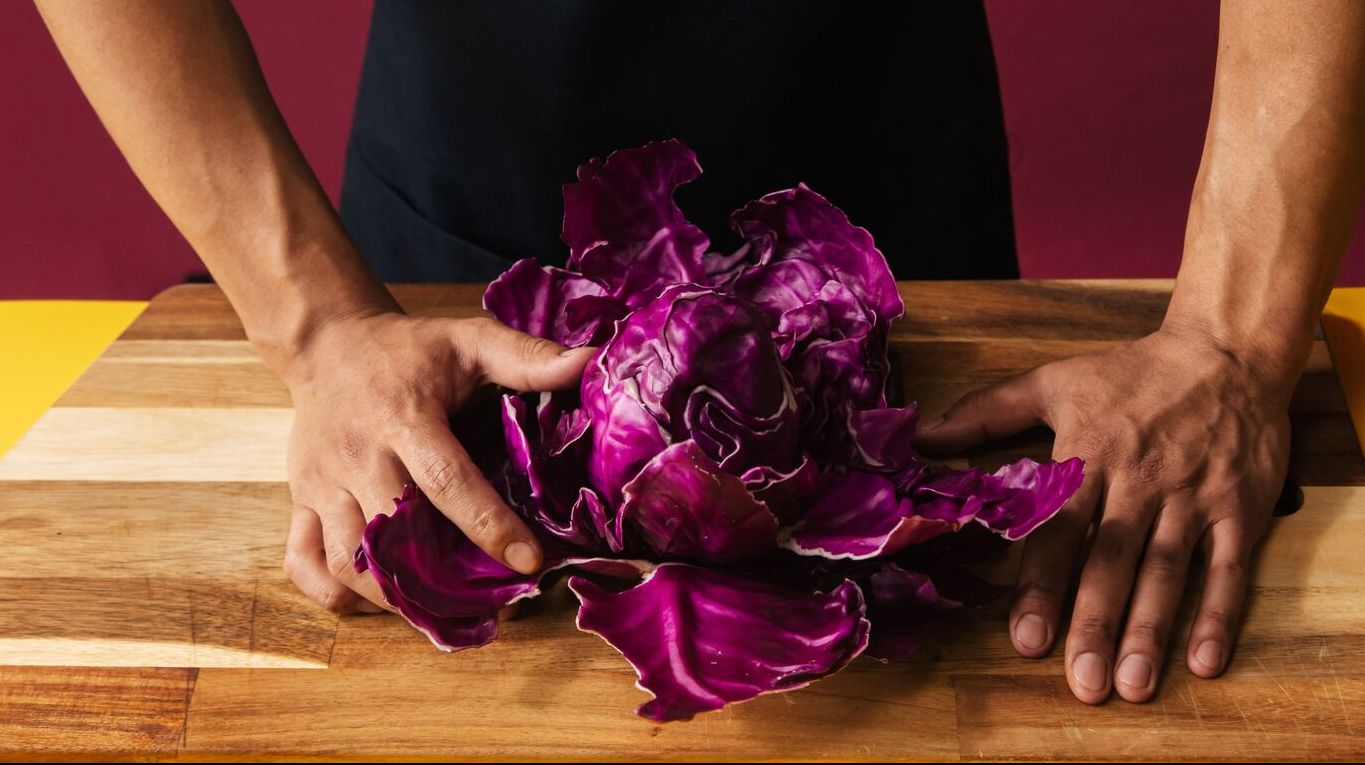
Red cabbage can actually change colour depending on acidity, shifting towards red or pink in acidic conditions and blue-green in more alkaline ones. This natural colour-changing ability comes from anthocyanins, the plant pigments responsible for its distinctive reddish-purple leaves.
Popularly known as purple cabbage, red cabbage is a crisp cruciferous vegetable that can be enjoyed raw, roasted, braised, pickled or fermented. Beyond adding colour and crunch to meals, it provides vitamin C, vitamin K, vitamin A, vitamin B6, fibre and several minerals. Its anthocyanins also provide antioxidant properties, contributing to the many purple cabbage benefits explored in this article.
Top 10 Health Benefits of Red Cabbage
The health benefits of red cabbage stem from the combined effects of its fibre, vitamins, minerals and bioactive compounds. Listed below are 10 purple cabbage benefits:
1. May Support Digestive Regularity
Red cabbage provides insoluble fibre, which passes through the digestive system largely undigested. As it moves through the gut, it adds bulk to stools and helps them move through the intestines more efficiently. This can support regular bowel movements and help prevent constipation, particularly when fibre intake is accompanied by adequate water consumption.
2. May Support a Healthy Gut
Not all the fibre in red cabbage is completely broken down in the small intestine. Some reaches the colon, where gut bacteria can ferment it and produce compounds called short-chain fatty acids. These fatty acids provide energy to cells lining the colon and help maintain a healthy intestinal environment. This is why eating fibre-rich vegetables such as red cabbage can contribute to overall gut health.
3. May Provide Antioxidant Support
The deep purple-red colour of red cabbage comes largely from anthocyanins, a group of antioxidant plant pigments. Red cabbage also provides vitamin C and other antioxidant compounds. These substances help neutralise free radicals, which are unstable molecules that can contribute to oxidative stress and cellular damage when present in excess. Including antioxidant-rich vegetables in the diet can therefore support the body's natural protective mechanisms.
4. May Support Immune Function
Red cabbage is a source of vitamin C, a nutrient involved in several aspects of immune defence. It supports the normal functioning of immune cells while also acting as an antioxidant that helps protect cells from oxidative stress. Since the body cannot produce vitamin C on its own, regularly including vitamin C-containing foods such as red cabbage can help meet dietary requirements.
5. May Contribute to Heart Health
One of the notable purple cabbage benefits is its potential to support cardiovascular health, thanks to its potassium, fibre and anthocyanin content. Potassium helps counterbalance the effects of sodium and contributes to the maintenance of normal blood pressure. Fibre, meanwhile, can help manage cholesterol by reducing the absorption of some cholesterol in the digestive tract. Anthocyanins provide additional antioxidant activity, making red cabbage a useful addition to a heart-conscious diet.
6. May Support Bone Health and Normal Blood Clotting
Red cabbage contains vitamin K, which is required for proteins involved in normal blood clotting. Vitamin K also contributes to the maintenance of normal bones by supporting proteins involved in bone mineralisation. In addition, its vitamin C content supports collagen formation, an important part of the structural framework of bones and cartilage.
7. May Support Normal Vision
Red cabbage contains carotenoids, including beta-carotene, which the body can convert into vitamin A when required. Vitamin A is essential for the normal functioning of the retina and plays an important role in vision under low-light conditions. Its carotenoid content therefore makes red cabbage one of many vegetables that can contribute nutrients needed for maintaining normal eye function.
8. May Contribute to Healthy Skin
One of the notable red cabbage benefits is that it contains vitamins C and E, along with antioxidants, which can help protect the skin from UV damage. Vitamin C can also boost collagen formation, improving skin elasticity and promoting smother-looking skin. The anti-inflammatory properties of these nutrients can soothe irritated skin and reduce acne breakouts.
9. May Provide Anti-inflammatory Plant Compounds
Red cabbage belongs to the cruciferous vegetable family and naturally contains anthocyanins and glucosinolates. These compounds, as well as substances formed when glucosinolates are broken down, have been studied for their antioxidant and anti-inflammatory activity. While eating red cabbage is not a treatment for inflammation, including it as part of a varied diet can provide plant compounds associated with these protective effects.
10. May Help Promote Fullness
Red cabbage contains plenty of water while also providing dietary fibre. Fibre takes time to move through the digestive system and can help meals feel more filling, while the vegetable's water content adds volume without substantially increasing calorie intake. As a result, adding red cabbage to salads, stir-fries and other meals can help improve meal volume and satiety as part of a balanced diet.
Nutritional Value of Red Cabbage
Understanding red cabbage nutrition can help explain why this colourful vegetable fits well into a balanced diet. A serving of raw red cabbage is relatively low in calories while providing fibre and a range of vitamins and minerals.
Nutrient | Amount per 1 cup (89 g) of raw, chopped red cabbage |
Calories | 28 kcal |
Protein | 1 g |
Carbohydrates | 7 g |
Fibre | 2 g |
Vitamin C | 56% of Daily Value (DV) |
Vitamin K | 28% of DV |
Vitamin B6 | 11% of DV |
Vitamin A | 6% of DV |
Potassium | 5% of DV |
Thiamine (Vitamin B1) | 5% of DV |
Riboflavin (Vitamin B2) | 5% of DV |
Red cabbage also contains smaller amounts of minerals such as iron, calcium, magnesium, phosphorus, copper and zinc. Its combination of fibre, micronutrients and naturally occurring plant compounds contributes to its overall nutritional value.
Key Facts About Red Cabbage
Here are some key facts about red cabbage.
It works as a natural pH indicator: The anthocyanins in red cabbage change colour depending on acidity. They can appear reddish-pink in acidic conditions and blue-green in more alkaline conditions, which is why red cabbage juice is often used in simple science experiments.
Its purple colour is more than just for show: The rich red-purple shade comes from anthocyanins, the same family of plant pigments responsible for the colours of foods such as blueberries and blackberries.
Its colour can change while cooking: Adding acidic ingredients such as vinegar or lemon juice can help red cabbage retain a brighter reddish-purple colour. More alkaline cooking conditions can shift it towards blue or green.
It has been cultivated for centuries: Cabbage has a long history as a food crop, with varieties of the vegetable being cultivated and eaten for thousands of years across different parts of the world.
How to Select, Store and Prepare Red Cabbage?
Choosing and handling red cabbage correctly can help maintain its freshness, texture and nutritional value. From looking for crisp, tightly packed leaves at the store to avoiding prolonged cooking, a few simple steps can help you get the most out of this colourful vegetable.
Selecting red cabbage: Choose a cabbage that feels firm and heavy for its size, with crisp, tightly packed leaves. Avoid heads with extensive browning, slimy patches or an unpleasant smell. Minor marks on the outer leaves can simply be removed before use.
Storing it correctly: Keep a whole, uncut red cabbage dry and refrigerated. Once cut, wrap it properly or place it in an airtight container in the refrigerator and use it while it is still fresh.
Preparing before use: Remove any damaged or loose outer leaves, rinse the cabbage thoroughly under running water and cut away the tough core before slicing or shredding. Avoid soaking shredded cabbage for long periods, as some water-soluble nutrients may leach into the water.
Choosing the right cooking method: Brief steaming, microwaving or sautéing can soften red cabbage while retaining some of its crunch. Prolonged boiling may lead to greater losses of heat-sensitive and water-soluble vitamins, with some nutrients and pigments also leaching into the cooking water.
Maintaining its vibrant colour: A small amount of lemon juice or vinegar can help red cabbage retain its characteristic red-purple colour during cooking. Bicarbonate of soda, on the other hand, can turn it bluish and may result in an overly soft texture.
How to Include Red Cabbage in Your Diet?
Red cabbage can be added to regular meals through salads, slaws, wraps, stir-fries, soups, roasted dishes, braised preparations and fermented foods. Start with a smaller portion and gradually increase the amount based on personal tolerance, especially if you are not used to a high-fibre diet.
Here are different ways to incorporate red cabbage into daily meals:
Make a crunchy salad:Shred it finely and combine it with carrots, cucumber, fruit, seeds or herbs.
Prepare a slaw: Use yoghurt, citrus juice, mustard or another suitable dressing as an alternative to mayonnaise.
Add it to wraps and bowls:Cut it into thin strips to add colour and texture alongside grains, pulses, eggs, fish or meat.
Sauté it quickly: Cook shredded cabbage with garlic, spices and a little oil for a warm side dish.
Roast wedges: Roast it to soften the centre and caramelise the edges, creating a sweeter flavour.
Braise it:Slowly cook cabbage with apple, vinegar and spices for a soft, flavourful preparation that complements savoury dishes.
Use it in soups: Add chopped cabbage near the middle or end of cooking, depending on the texture preferred.
Include it in stir-fries: Slice it evenly so that it cooks at a similar rate to the other vegetables.
Use leftovers creatively: Add leftover cooked cabbage to grain bowls, omelettes, patties or fillings.
Possible Side Effects of Red Cabbage
Red cabbage is generally well tolerated when consumed as part of a balanced diet. However, its fibre and certain naturally occurring compounds may cause discomfort or require some consideration for certain individuals.
Gas and bloating: Red cabbage contains fibre and fermentable carbohydrates that gut bacteria can break down, which may lead to gas, bloating or abdominal discomfort in some people. Increasing portions gradually may help.
Digestive discomfort: Eating a large amount at once, particularly when the usual diet is low in fibre, may cause temporary digestive discomfort. Start with a smaller portion and gradually increase the amount based on personal tolerance.
Consideration with blood-thinning medicines: Red cabbage contains vitamin K, which plays a role in normal blood clotting. People taking certain anticoagulant medicines, such as warfarin, may need to keep their vitamin K intake consistent and follow their healthcare professional's advice.
Thyroid-related considerations: Like other cruciferous vegetables, red cabbage contains naturally occurring goitrogenic compounds. Normal dietary amounts are generally not a concern, but individuals with thyroid conditions should follow medical advice regarding their diet, particularly if consuming large quantities of raw cruciferous vegetables.
Importance of Health Insurance
A healthy diet and lifestyle can support well-being, but medical needs can still arise unexpectedly. In such cases, health insurance can offer financial support for covered medical expenses, helping individuals and families manage healthcare costs without placing the entire financial burden on their savings.
When medical expenses rise beyond your existing health cover, having an additional financial cushion from SBI General Insurance can make a difference. With SBI General Insurance’s 24x7 customer support, 18000+ network hospitals, and a smooth claims process, you can access assistance when you need it and stay better prepared for higher healthcare expenses.
Conclusion
Choosing fresh cabbage, storing it properly and using suitable cooking methods can help preserve its quality and nutritional value. As with any fibre-rich food, portions can be increased gradually based on individual tolerance. Ultimately, red cabbage is not a standalone solution for good health, but it can be a colourful and nutritious addition to a varied, balanced diet.
FAQs
1. What are the antioxidant properties of red cabbage?
The red cabbage nutrition profile includes contains antioxidants such as anthocyanins, vitamin C, carotenoids and other flavonoids. These compounds help protect cells from oxidative stress caused by free radicals.
2. How does red cabbage support digestive health?
Red cabbage supports digestion mainly through its fibre content. Insoluble fibre adds bulk to stools and supports regular bowel movements, while fermentable fibre can support beneficial gut bacteria.
3. Can red cabbage improve heart health?
Red cabbage can contribute to a heart-healthy diet. Its potassium supports normal blood pressure, while fibre can help maintain healthy cholesterol levels. Anthocyanins also provide antioxidant activity.
4. Does red cabbage have anti-inflammatory effects?
Red cabbage contains anthocyanins and glucosinolate-derived compounds that have been studied for their anti-inflammatory properties. However, eating red cabbage should not be considered a treatment for inflammation.
5. Is red cabbage beneficial for bone health?
Yes. Red cabbage provides vitamin K, which contributes to normal bone maintenance. Its vitamin C content also supports collagen formation, an important part of bone structure.
6. Is red cabbage better than green cabbage?
Not necessarily. Both are nutritious but have somewhat different nutritional profiles. Red cabbage is particularly notable for its anthocyanins, which give it its distinctive purple-red colour.
7. Can red cabbage be eaten raw?
Yes. Red cabbage can be eaten raw after washing it thoroughly. Its crisp texture makes it suitable for salads, slaws and other uncooked dishes.
This blog is intended solely for educational and informational purposes. Content reflects data at time of publication and may not accurately reflect current premiums, terms, or regulations. Readers are encouraged to confirm the accuracy and relevance of the data before making any significant decisions. SBI General Insurance disclaims responsibility for any errors or consequences arising from the use of outdated information provided herein. For more details, please refer to the policy wordings and prospectus before concluding the sales. *Add-ons are subject to payment of additional premium.
Access and manage all your Insurance Needs in one place, right at your Fingertips.




4/5*
Access and manage all your Insurance Needs in one place, right at your Fingertips.



Vision
Our vision is to become the most trusted general insurer for a transforming India.
Mission
Our mission is to provide simple and innovative general insurance solutions, be responsive to our customers' needs and build a sustainable business for the future.
We're socially active!