


 Contact Us



 Other Insurance
Health Benefits of Rice Bran Oil
Date: Nov 6, 2026 - Last Modified Nov 6, 2026


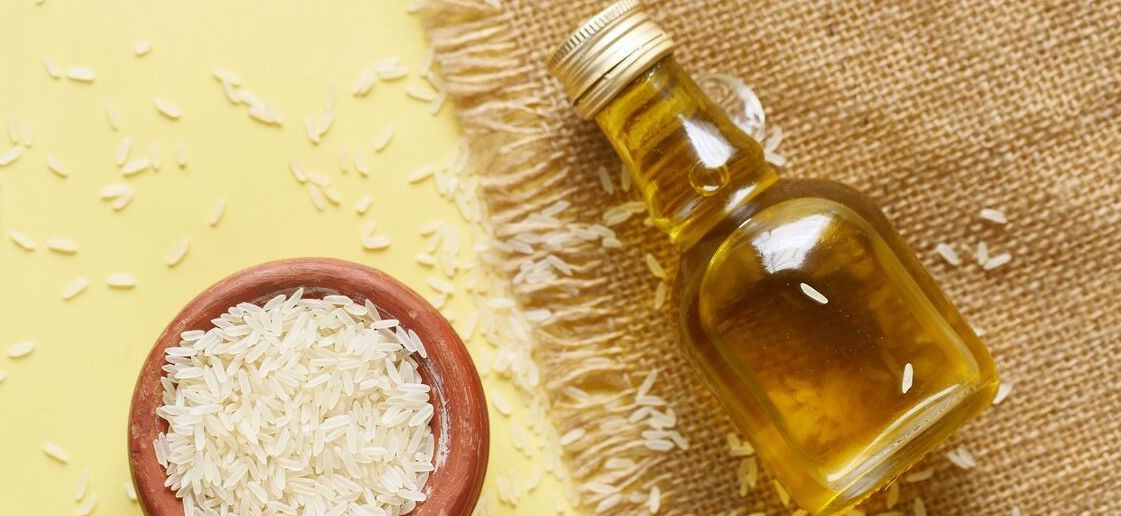
Rice bran oil comes from the bran and germ that surround the rice grain. However, there is more to it than its source. It contains a mix of monounsaturated and polyunsaturated fats, along with naturally occurring compounds such as gamma-oryzanol, phytosterols, tocopherols and tocotrienols. These components are behind much of the interest in rice bran oil benefits, particularly its role in maintaining healthy cholesterol levels and protecting cells from oxidative stress.
That said, rice bran oil is still an oil, so how much you use matters. When considering rice bran oil benefits and side effects, it is best to view it as one part of a balanced diet rather than a health food on its own.
Top 10 Health Benefits of Rice Bran Oil
The rice bran oil benefits largely come from two things: the type of fat it contains, and the natural plant compounds found in rice bran. Its effect on cholesterol has been studied more extensively than many of its other proposed benefits. Here is what the research tells us so far.
1. Helps Lower LDL Cholesterol
High LDL cholesterol is often called “bad” cholesterol because too much of it can gradually build up in the walls of your arteries. Rice bran oil has been studied for its ability to bring these levels down.
Research involving randomised controlled trials has found reductions in both total and LDL cholesterol among people consuming rice bran oil. Its mix of unsaturated fats, plant sterols and gamma-oryzanol appears to be important here. The choice of oil matters too. You are likely to get more value from rice bran oil when it replaces butter, shortening or other fats high in saturated or trans fat rather than simply adding it to your existing diet.
2. Has a Heart-Friendlier Fat Profile
Rice bran oil contains a mix of monounsaturated and polyunsaturated fats, with a smaller proportion of saturated fat. Why does that matter? Eating too much saturated fat can raise LDL cholesterol, whereas replacing some of it with unsaturated fats can help improve your cholesterol profile.
So, think of rice bran oil as a swap rather than an addition. Using it in place of a saturated-fat-rich cooking fat is what makes the difference.
3. Gives You Gamma-Oryzanol
Gamma-oryzanol is one of the compounds that sets rice bran oil apart from many commonly used cooking oils. It is a naturally occurring mixture of plant compounds found in the outer layers of rice.
It has attracted particular attention because of its relationship with cholesterol. Gamma-oryzanol can affect the way cholesterol is absorbed and processed in the body, which could partly explain why rice bran oil has performed well in some cholesterol studies. It also has antioxidant properties.
4. Adds Antioxidants to Your Diet
Everyday processes in the body produce unstable molecules known as free radicals. When their levels become excessive, they can cause oxidative stress and damage cells. Antioxidants help neutralise these molecules.
Rice bran oil naturally contains several of them, including gamma-oryzanol, tocopherols and tocotrienols. One controlled study involving people with high cholesterol found improvements in antioxidant capacity after rice bran oil was included in the diet. This does not turn the oil into an antioxidant supplement, but it does explain why its nutritional profile gets attention beyond its fatty acids.
5. Provides Vitamin E in Different Forms
Rice bran oil contains both tocopherols and tocotrienols, compounds belonging to the vitamin E family. Vitamin E helps protect cells against oxidative damage and also plays a role in normal immune function.
Tocotrienols are particularly interesting because they are less common in foods than tocopherols and are being studied for several potential health effects. However, rice bran oil should still be consumed like any other cooking oil. More oil does not automatically mean more benefit.
6. Can Be a Practical Choice for Heart-Conscious Cooking
You do not need a special “heart-healthy” recipe to use rice bran oil. Its advantage is that it can replace cooking fats that contain more saturated fat in foods you already prepare.
For example, it can be used for everyday sabzis, dals and stir-fries while helping you shift the overall fat profile of your meals towards unsaturated fats. This is far more meaningful for heart health than focusing on a single ingredient while the rest of the diet remains high in saturated fat, salt and heavily processed foods.
7. Handles Higher Cooking Temperatures Well
Rice bran oil is not only useful for its nutrient profile. Refined rice bran oil also has a relatively high smoke point, which makes it practical for sautéing, stir-frying and other higher-temperature cooking methods.
A higher smoke point does not mean the oil cannot be damaged by heat. Once an oil starts visibly smoking, it is beginning to break down. Repeatedly heating and reusing the same oil can also affect its quality, so fresh oil and sensible cooking temperatures remain important.
8. Does Not Overpower the Food
Rice bran oil has a fairly neutral flavour. That might not sound like a health benefit, but it makes switching cooking oils much easier in practice.
You can use it for dal, vegetables and several everyday Indian dishes without substantially changing their familiar taste. A healthier dietary change is much easier to maintain when it does not require you to completely change the way you cook or eat.
9. Is Being Studied for Blood Sugar Control
There is some research into rice bran oil and its effects on blood glucose, insulin response and other markers of metabolic health. Results from early studies have been promising in certain groups, but the evidence is not strong enough to treat rice bran oil as a way to control blood sugar.
If you have diabetes, the amount and type of carbohydrates you eat, your overall calorie intake, physical activity and prescribed medicines matter much more than choosing one particular cooking oil.
10. Has a Place in Skin Care Too
Rice bran oil is also found in some moisturisers, creams and other skincare products. Its fatty acids can help soften the skin, while compounds such as tocopherols, tocotrienols and gamma-oryzanol provide antioxidant activity.
Certain studies have explored rice bran-derived ingredients for skin hydration, roughness and elasticity, but research is still limited. So, rice bran oil benefits for skin are better considered in the context of formulated skincare products rather than using the cooking oil as a home treatment.
Nutritional Value of Rice Bran Oil
Rice bran oil is primarily made up of fats, with unsaturated fats accounting for a major share of its fatty acid composition. Here is a closer look at what it contains.
Fat Composition of Rice Bran Oil
Type of Fat | Approximate Proportion |
Monounsaturated fat (MUFA) | 47% |
Polyunsaturated fat (PUFA) | 33% |
Saturated fat (SFA) | 20% |
Together, monounsaturated and polyunsaturated fats make up around 80% of the fat in rice bran oil.
Nutritional Value per Tablespoon
Nutrient | Approximate Amount |
Calories | 120 kcal |
Total fat | 14 g |
Rice bran oil also naturally contains compounds such as gamma-oryzanol, tocopherols, tocotrienols and phytosterols. These compounds have been studied for their antioxidant and other potential health-related properties.
Key Facts About Rice Bran Oil
Here are some key facts about rice bran oil:
It comes from a part of rice that often gets removed: Rice bran oil is extracted from the bran and germ, the outer layers that are separated when brown rice is milled to produce white rice.
It contains different forms of vitamin E: Rice bran oil provides both tocopherols and tocotrienols. These belong to the vitamin E family and help protect the body's cells from oxidative damage.
Freshness matters right from the start: Once rice bran is separated from the grain, naturally occurring enzymes can quickly start breaking down its fats. This is why the bran needs to be stabilised soon after milling before the oil is processed.
Side Effects of Rice Bran Oil
While there are various health benefits, understanding rice bran oil benefits and side effects together can help you decide if it is the right choice for you. Here are a few things that are worth keeping in mind:
It is calorie-dense: Like other cooking oils, rice bran oil is high in calories. Using too much regularly can increase your total calorie intake.
It can cause digestive discomfort in some people: Consuming large amounts of oil can lead to symptoms such as bloating, stomach discomfort or loose stools, particularly if you are not used to a higher-fat diet.
Allergic reactions are possible: Although uncommon, people who are sensitive or allergic to rice or rice-derived products should be careful and seek medical attention if they notice an unusual reaction.
Overheating can affect its quality: Rice bran oil works well at higher cooking temperatures. However, it should not be heated until it smokes or repeatedly reheated and reused.
Importance of Health Insurance
Making thoughtful food choices, such as choosing rice bran oil for cooking, is a great way to look after your health every day. However, good health also means being prepared for situations you cannot predict. Exploring suitable health insurance plans can help you plan for the financial impact of unexpected medical expenses.
This is where plans such as SBI General Health Alpha by SBI General Insurance can come to your aid. It offers customisable coverage options, along with Critical Illness Cover for added financial protection against serious illnesses. Policyholders can also access SBI General Insurance’s network of 18,000+ hospitals across India and conveniently track or renew their policy on the go through the SBI General Insurance App.
Disclaimer: Coverage, benefits and features are subject to the policy terms, conditions, exclusions, waiting periods and applicable limits. Please refer to the policy wording for complete details.
Conclusion
Rice bran oil can be a great option for everyday cooking, thanks to its unsaturated fats and naturally occurring compounds such as gamma-oryzanol and tocotrienols. However, to enjoy the rice bran oil benefits, how you use it matters just as much as the oil you choose. Using moderate amounts in home-cooked meals is very different from regularly eating deep-fried foods. The key is to keep portions in check, eat a balanced diet and choose cooking oils based on your nutritional needs and the type of food you are preparing.
FAQs
1.What are the health benefits of rice bran oil?
Rice bran oil contains unsaturated fats, along with natural compounds such as gamma-oryzanol and vitamin E. When used instead of fats that are high in saturated fat, it can be a better choice for managing cholesterol levels. Like any cooking oil, it is best used in moderation as part of your regular diet.
2. Is rice bran oil good for cholesterol?
Yes. Studies suggest that rice bran oil can help lower total and LDL cholesterol, particularly when it replaces fats higher in saturated fat. However, it works best as part of a proper diet rather than as a remedy for high cholesterol.
3. Can rice bran oil be used for deep frying?
Refined rice bran oil has a relatively high smoke point and can tolerate higher cooking temperatures. However, deep frying still increases the fat and calorie content of foods. It is best to limit deep-fried foods and avoid repeated reheating or reusing cooking oils.
4. What is oryzanol and why does it matter?
Gamma-oryzanol is a mixture of naturally occurring compounds in rice bran oil, including ferulated plant sterols. It has antioxidant activity and has been investigated for its role in cholesterol metabolism. Research suggests it may enhance rice bran oil's lipid-lowering properties, although other components are also involved.
5. Does rice bran oil help with skin health?
Rice bran oil contains fatty acids and antioxidants such as vitamin E compounds that can help moisturise and protect the skin. However, research on the rice bran oil benefits for skin is still limited in nature. So, it should not be used as a treatment for skin conditions.
This blog is intended solely for educational and informational purposes. Content reflects data at time of publication and may not accurately reflect current premiums, terms, or regulations. Readers are encouraged to confirm the accuracy and relevance of the data before making any significant decisions. SBI General Insurance disclaims responsibility for any errors or consequences arising from the use of outdated information provided herein. For more details, please refer to the policy wordings and prospectus before concluding the sales. *Add-ons are subject to payment of additional premium.
Access and manage all your Insurance Needs in one place, right at your Fingertips.




4/5*
Access and manage all your Insurance Needs in one place, right at your Fingertips.



Vision
Our vision is to become the most trusted general insurer for a transforming India.
Mission
Our mission is to provide simple and innovative general insurance solutions, be responsive to our customers' needs and build a sustainable business for the future.
We're socially active!