


 Contact Us


 Other Insurance
Health Benefits of Ridge Gourd
Date: Aug 11, 2026 - Last Modified Aug 11, 2026


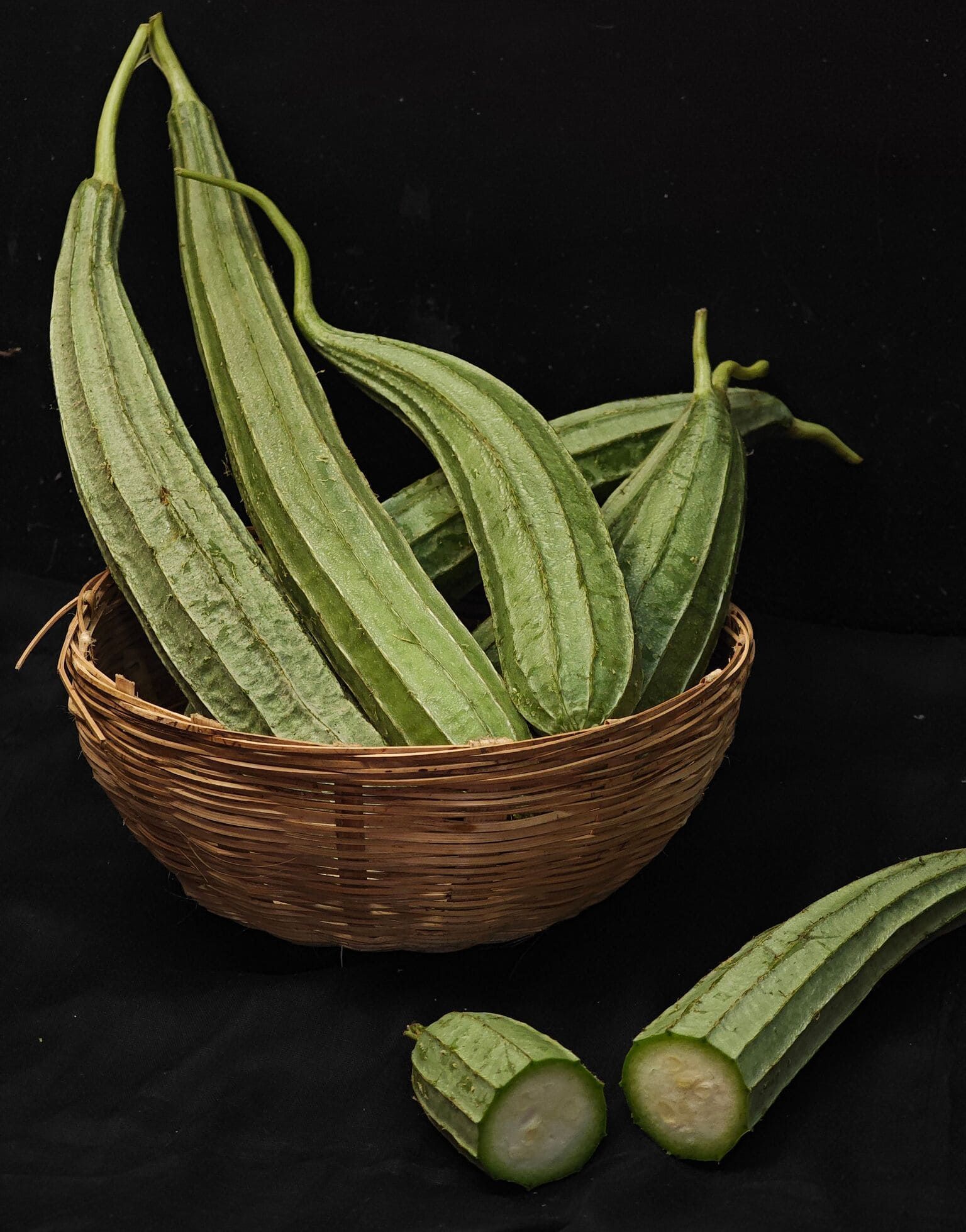
Ridge gourd, or Luffa acutangula, belongs to the gourd family and is commonly called turai or torai in India. The health benefits of ridge gourd are linked mainly to its water, fibre and micronutrients. Common uses of ridge gourd include curries, dals and chutneys.
Top 9 Benefits of Eating Ridge Gourd
The health benefits of ridge gourd are linked to its nutrient profile and how these nutrients support various functions in the body.
1. Supports Digestion
Ridge gourd contains fibre, which adds bulk to stools, along with plenty of water. Together, they can support regular bowel movements and healthy digestion.
2. Can Be a Good Addition to Weight-Management Meals
One of the advantages of ridge gourd is that it is low in calories. Its water and fibre content can add volume to meals and help you feel full without making them too heavy.
3. Adds to Your Fluid Intake
Ridge gourd has a high water content, making it a useful addition to meals, especially during warmer months. However, ridge gourd usage should complement rather than replace your regular water intake.
4. Fits into a Heart-Friendly Diet
Naturally low in fat, ridge gourd also provides potassium, a mineral that supports normal muscle function and helps maintain healthy blood pressure.
5. Works Well in Balanced Meals
One of the practical uses of ridge gourd is its versatility. Its mild flavour works well in curries, dals, stir-fries, and other everyday dishes, making it an easy vegetable to include in a balanced diet.
6. Supports Normal Immune Function
Ridge gourd provides vitamin C, which supports normal immune function and helps protect cells from oxidative stress.
7. Contributes to Skin Health
The vitamin C in ridge gourd also plays a role in collagen formation, which is important for maintaining normal skin and connective tissues.
8. Provides Essential Minerals
Ridge gourd contains minerals such as potassium, magnesium, and iron. These nutrients play different roles in muscle function, nerve signalling, oxygen transport, and bone health.
9. Provides Antioxidant Compounds
Ridge gourd contains plant compounds with antioxidant properties. These compounds may help protect cells against oxidative stress as a part of a varied diet.
Nutritional Value of Ridge Gourd
Despite being low in calories, ridge gourd provides several useful nutrients. Approximate values per 100 g of cooked ridge gourd are:
Nutrient | Approximate Amount |
Calories | 20 kcal |
Fibre | 1.7 g |
Vitamin C | 9 mg |
Vitamin A | 218 IU |
Iron | 0.4 mg |
Note: Values can vary with variety and growing conditions.
Key Facts about Ridge Gourd
Ridge gourd gets its name from the distinct ridges running along its length.
It belongs to the same plant family as cucumbers, pumpkins, and melons.
Ridge gourd grows on a climbing vine and is typically harvested while still tender for cooking.
Possible Side Effects of Ridge Gourd
The side effects of ridge gourd are generally mild. A sudden increase in fibre may cause:
Gas
Bloating
Stomach discomfort
Persistent digestive symptoms or allergy signs need medical attention.
Importance of Health Insurance
Adding vegetables like ridge gourd to your meals is a simple way to support a balanced diet. But healthy food choices cannot always protect you from unexpected illnesses or medical emergencies. Health insurance can help you stay financially prepared for such situations and manage healthcare costs without putting too much pressure on your savings.
SBI General Insurance offers health plans such as SBI General Health Alpha and Super Health Insurance for different healthcare needs. You can also access cashless treatment across 18,000+ network hospitals, while 24×7 customer support can assist you when required. What’s more, the SBI General Insurance mobile app also lets you conveniently raise and track claims.
Conclusion
Ridge gourd can be a useful part of a varied diet. Its fibre, water and micronutrients support everyday nutrition, while its mild flavour suits regular cooking. The health benefits of ridge gourd are most meaningful alongside an overall balanced eating pattern.
Note: This article is for informational purposes only and is not medical advice. Consult a qualified healthcare professional for diagnosis or treatment decisions.
FAQs
1. Is ridge gourd good for digestive health?
Yes. Its fibre and water content can support regular bowel movements and comfortable digestion, particularly when overall fluid and fibre intake are adequate.
2. Can ridge gourd help with weight management?
It may help because it is low in calories and rich in water. Its fibre can also make meals more filling and satisfying.
3. Is ridge gourd beneficial for heart health?
Ridge gourd can fit into a heart-friendly diet because it is low in fat and provides potassium, which supports normal blood pressure regulation.
4. Does ridge gourd support healthy blood sugar levels?
Its fibre and relatively low carbohydrate content can suit balanced meals. People with diabetes, however, should still consider portions and their dietary pattern.
5. What vitamins and minerals are present in ridge gourd?
Ridge gourd provides vitamin C and small amounts of potassium, calcium, magnesium and iron, which contribute to several normal functions in the body.
6. Is ridge gourd beneficial for skin health?
Its vitamin C content supports collagen formation and normal skin health. A varied diet with several fruits and vegetables remains important for skin nutrition.
This blog is intended solely for educational and informational purposes. Content reflects data at time of publication and may not accurately reflect current premiums, terms, or regulations. Readers are encouraged to confirm the accuracy and relevance of the data before making any significant decisions. SBI General Insurance disclaims responsibility for any errors or consequences arising from the use of outdated information provided herein. For more details, please refer to the policy wordings and prospectus before concluding the sales. *Add-ons are subject to payment of additional premium.
Access and manage all your Insurance Needs in one place, right at your Fingertips.




4/5*
Access and manage all your Insurance Needs in one place, right at your Fingertips.



Vision
Our vision is to become the most trusted general insurer for a transforming India.
Mission
Our mission is to provide simple and innovative general insurance solutions, be responsive to our customers' needs and build a sustainable business for the future.
We're socially active!