


 Contact Us


 Other Insurance
Health Benefits of Rock Salt
Date: Aug 11, 2026 - Last Modified Aug 11, 2026


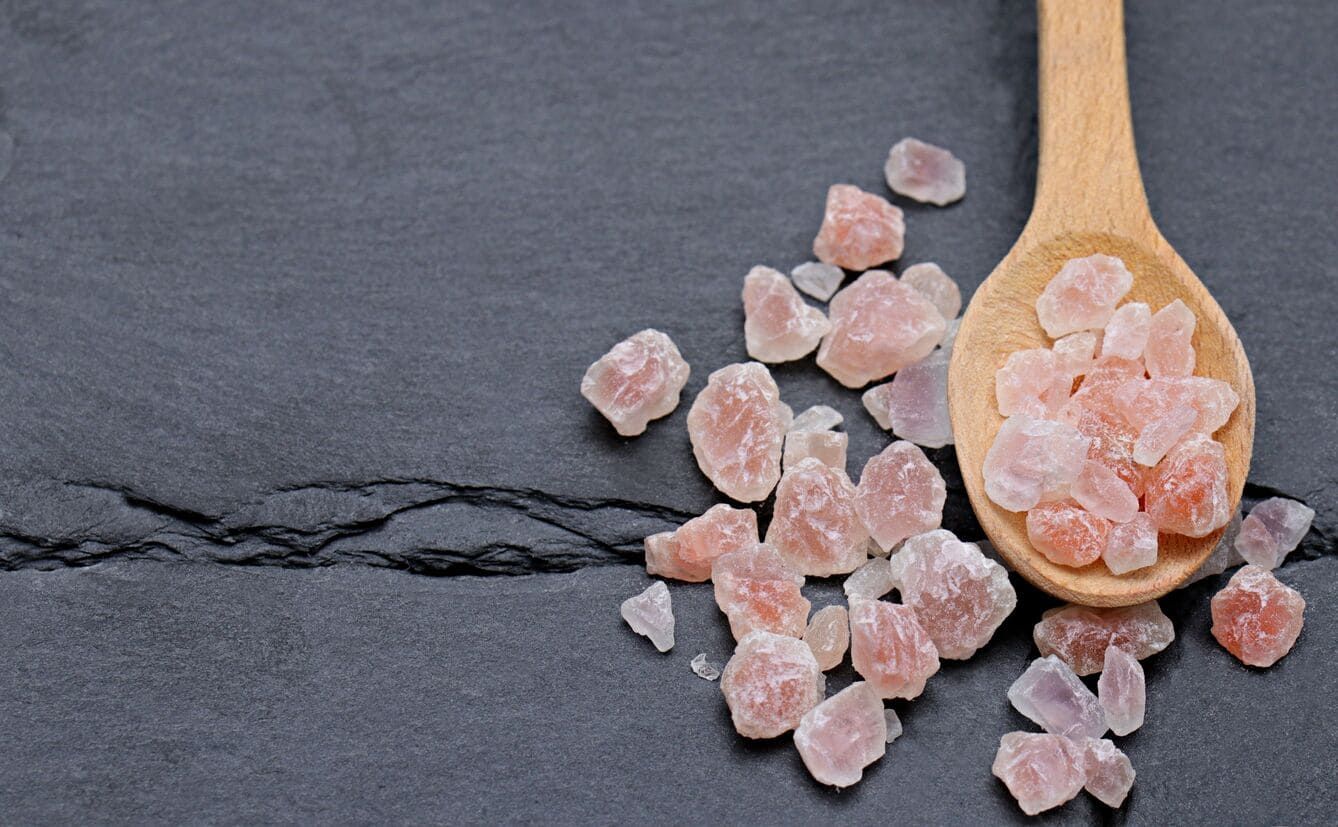
Have you ever wondered where the rock salt in your kitchen actually comes from? Some deposits formed millions of years ago as ancient bodies of saltwater evaporated, leaving behind layers of salt beneath the Earth’s surface. This naturally occurring form of sodium chloride can range in colour from white and grey to pink or brown, depending on its mineral composition. Often used in cooking and traditional practices, the health benefits of rock salt are often associated with hydration, digestion and its mineral content.
Top Health Benefits of Rock Salt
The health benefits of rock salt are primarily associated with its sodium and chloride content, while trace minerals are generally present in much smaller amounts.
1. May Support Digestion
Rock salt may support digestive comfort by helping maintain fluid balance and normal digestive function when consumed in moderation as part of a balanced diet.
2. Helps Maintain Fluid Balance
Sodium is an essential electrolyte that helps maintain the body’s fluid balance. After substantial fluid and electrolyte loss through prolonged sweating, sodium-containing foods or appropriate rehydration solutions can replenish lost electrolytes.
3. Supports Normal Body Functions
Sodium plays an important role in nerve signalling, muscle function and maintaining fluid balance. However, consuming extra salt does not improve these functions in people who already get enough sodium from their diet.
4. Contributes to Electrolyte Intake
As a source of sodium, rock salt contributes to the body’s electrolyte intake. Sodium is involved in several essential processes, including nerve impulses and muscle contraction.
5. May Offer Respiratory Comfort
Saline solutions are commonly used to help moisturise nasal passages and loosen mucus. Rock salt can be used for this purpose.
6. Contains Trace Minerals
One of the commonly discussed advantages of rock salt is that it can contain minerals such as calcium, magnesium, potassium and iron. However, these are usually present in small or variable quantities, so rock salt should not be relied upon as a major source of these nutrients.
7. Can Help Soothe a Sore Throat
Gargling with warm salt water is a simple and commonly recommended home measure for soothing a sore or irritated throat. This is one of the more practical uses of rock salt, although regular salt can serve the same purpose.
8. Can Be Used for Scalp Exfoliation
Rock salt is sometimes used as an exfoliating ingredient to remove buildup from the scalp. However, coarse crystals can irritate or damage sensitive skin, so they should be used cautiously.
Nutritional Value of Rock Salt
Rock salt consists mainly of sodium chloride, while the amounts of other minerals can differ considerably depending on its source and processing. Here is a comparison based on the values provided:
Mineral | Pink Rock Salt | Black Rock Salt |
Sodium | 27.8 g | 12.5 g |
Chloride | 42.85 g | 19.3 g |
Iron | 1.10 mg | 5.38 mg |
Sulphur | 126 mg | 263 mg |
Magnesium | 66.2 mg | 0.88 mg |
Calcium | 93.9 mg | 7.9 mg |
Note: Mineral composition can vary significantly by source and product. The label or a laboratory analysis is therefore more reliable when checking the nutritional composition of a particular rock salt product.
Key Facts About Rock Salt
Here are some key facts about rock salt:
Rock salt forms naturally from ancient salt deposits created by the evaporation of saline water.
Pink, grey or brown shades generally come from minerals and other naturally occurring impurities.
Rock salt can contain trace minerals, but the quantities are generally too small to make it a significant dietary source.
Not all varieties of rock salt are iodised, unlike many fortified table salts.
Possible Side Effects of Rock Salt
The health benefits of rock salt do not mean that more is better. Excessive intake can have these potential side effects:
Too much sodium can contribute to increased blood pressure, particularly in salt-sensitive individuals.
Excess sodium may cause the body to retain water, resulting in puffiness or bloating.
Consuming very large quantities of salt can cause nausea, vomiting and other gastrointestinal symptoms.
Importance of Health Insurance
Making mindful dietary choices, such as keeping salt intake within recommended limits, can support long-term health. However, even a healthy lifestyle cannot prevent every illness or unexpected medical expense. Having adequate health insurance from SBI General Insurance can help provide financial support when medical care is required.
With over 50 coverage options, SBI General Health Alpha allows you to customise your health insurance based on your coverage needs. Additionally, the plan provides access to 18,000+ network hospitals and 24x7 customer support, helping you stay financially prepared for unforeseen healthcare expenses.
Conclusion
Rock salt can add flavour to meals and provide sodium, an electrolyte the body needs in appropriate amounts. Some of the commonly discussed health benefits of rock salt, such as supporting fluid balance and its use in warm saltwater gargles, have practical applications. However, as with any salt, moderation matters.
Note: This article is for informational purposes only and is not medical advice. Consult a qualified healthcare professional for diagnosis or treatment decisions.
FAQs
1. Is rock salt healthier than regular table salt?
Not necessarily. Both primarily contain sodium chloride. Iodised table salt can also provide iodine, an essential nutrient that may not be present in unfortified rock salt.
2. Does rock salt contain essential minerals?
Yes, rock salt may contain trace amounts of minerals such as calcium, magnesium, potassium and iron. However, the quantities vary and it should not be relied upon as a primary source of these nutrients.
3. Can excessive rock salt increase blood pressure?
Yes. While the importance of rock salt cannot be underestimated when it comes to electrolyte balance, Excessive sodium intake can contribute to high blood pressure, regardless of whether the sodium comes from rock salt, table salt or other dietary sources.
This blog is intended solely for educational and informational purposes. Content reflects data at time of publication and may not accurately reflect current premiums, terms, or regulations. Readers are encouraged to confirm the accuracy and relevance of the data before making any significant decisions. SBI General Insurance disclaims responsibility for any errors or consequences arising from the use of outdated information provided herein. For more details, please refer to the policy wordings and prospectus before concluding the sales. *Add-ons are subject to payment of additional premium.
Access and manage all your Insurance Needs in one place, right at your Fingertips.




4/5*
Access and manage all your Insurance Needs in one place, right at your Fingertips.



Vision
Our vision is to become the most trusted general insurer for a transforming India.
Mission
Our mission is to provide simple and innovative general insurance solutions, be responsive to our customers' needs and build a sustainable business for the future.
We're socially active!