


 Contact Us


 Other Insurance
Health Benefits of Sabja Seeds (Basil Seeds)
Date: Sep 28, 2026 - Last Modified Sep 28, 2026


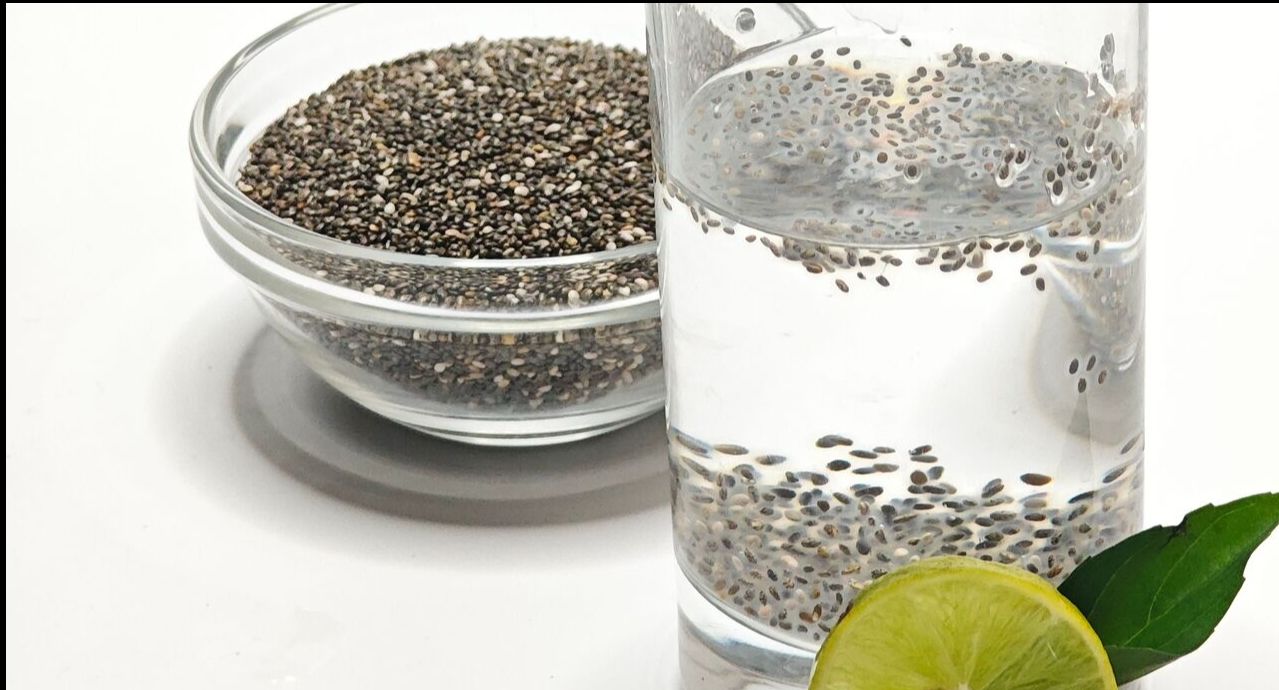
You may have spotted those tiny black seeds floating in a glass of falooda or nimbu pani, but sabja seeds have much more to offer than their distinctive texture. Also known as basil seeds or tukmaria, they come from the sweet basil plant (Ocimum basilicum) and develop a soft, gel-like coating within minutes of being soaked in water.
Behind their tiny size is a mix of fibre, plant-based omega-3 fats, protein and other plant compounds. These nutrients contribute to several potential sabja seeds benefits, from supporting digestion and fullness to heart health and blood sugar management. Easy to soak and even easier to add to drinks and meals, sabja seeds can be a simple way to add some extra nutrition to your everyday diet.
Top 10 Health Benefits of Sabja Seeds
Sabja seeds may be tiny, but soaking them changes both their texture and the way they can be used in the diet. Their fibre-rich outer layer swells in water, while the seed itself provides plant-based omega-3 fats, protein, minerals and antioxidant compounds. Together, these nutrients contribute to several potential basil seeds benefits. Here is how they may support different functions in the body.
1. May Support Digestive Regularity
One of the most familiar sabja seeds benefits comes from their fibre content. When soaked, the seeds develop a soft, gel-like coating that absorbs and holds water. This combination of fibre and fluid can help soften stools and support their smooth passage through the digestive system, promoting regular bowel movements.
If your usual diet is low in fibre, start with a small amount of soaked sabja seeds and increase gradually. A sudden increase in fibre may cause bloating or digestive discomfort in some people.
2. May Promote Fullness and Weight Management
The gel that forms around soaked sabja seeds adds volume to foods and drinks, while their soluble fibre slows digestion and can help you feel satisfied for longer. This may make it easier to manage portions and reduce unnecessary snacking.
However, using sabja seeds for weight loss is less about the seeds themselves causing weight loss and more about how they are used. Adding soaked sabja to yoghurt, buttermilk or fruit, or using them instead of a calorie-dense topping, can help make them part of a balanced weight-management diet.
3. May Encourage a Steadier Blood-Sugar Response
The soluble fibre in sabja seeds can slow digestion and the absorption of carbohydrates. As a result, glucose may enter the bloodstream more gradually after a meal, potentially supporting a steadier blood sugar response.
Sabja seeds are not a treatment for diabetes or insulin resistance. People taking glucose-lowering medication should also discuss significant dietary changes with a healthcare professional, particularly if they plan to consume sabja seeds regularly.
4. May Help Maintain Healthy Cholesterol Levels
Sabja seeds contain soluble fibre, including pectin. In the digestive tract, soluble fibre can bind with bile acids, which are made using cholesterol, and promote their removal from the body. The liver then uses more cholesterol to produce new bile acids, a process that can contribute to maintaining healthy cholesterol levels.
This is one reason fibre-rich foods are an important part of a heart-conscious diet. Sabja seeds can complement other fibre sources such as vegetables, pulses, fruits and whole grains.
5. May Support Heart Health
Sabja seeds contain alpha-linolenic acid (ALA), an essential plant-based omega-3 fatty acid that the body cannot produce on its own. ALA forms part of a heart-conscious dietary pattern, while the fibre in the seeds can contribute to healthy cholesterol management.
Rather than directly “improving circulation” or preventing heart disease on their own, the tukmaria seeds benefits for health are better viewed as one part of a balanced diet rich in fibre, healthy fats and minimally processed foods.
6. May Help Lower the Risk of Chronic Diseases
Sabja seeds contain phenolic compounds and flavonoids with antioxidant activity. Antioxidants help neutralise free radicals, which can otherwise contribute to oxidative stress and cellular damage when present in excess.
Long-term oxidative stress is associated with the development of several chronic conditions. However, no single food can prevent these diseases. The antioxidant-related basil seeds benefits are most meaningful when sabja seeds are consumed alongside a wide variety of fruits, vegetables, pulses, nuts, seeds and other plant foods.
7. May Contribute to Bone and Muscle Health
Calcium and magnesium are among the minerals found in sabja seeds. Calcium is needed for normal bone structure and muscle contraction, while magnesium contributes to normal muscle and nerve function. Their plant protein also provides amino acids used for tissue maintenance and repair.
A small serving will not meet your daily requirements for these nutrients, but sabja seeds can add nutritional variety when combined with other sources of protein, calcium and vitamin D.
8. May Support Normal Blood Formation
Sabja seeds provide iron, a mineral the body needs to make haemoglobin, the protein responsible for transporting oxygen in red blood cells. The iron in plant foods is non-haem iron, which is not absorbed as readily as haem iron from animal foods.
Pairing sabja seeds with a source of vitamin C can improve non-haem iron absorption. For example, soaked seeds can be added to lemon water or enjoyed alongside vitamin C-rich fruits such as guava or oranges.
9. May Help Improve Hydration
Sabja seeds are a familiar addition to summer drinks for a reason. Once soaked, they absorb water and form their characteristic gel, making them easy to add to lemon water, buttermilk and other refreshing beverages.
It is important to remember that the hydration itself primarily comes from the liquid rather than the seeds. However, adding sabja seeds can make plain drinks more interesting while also providing some fibre and nutrients. Choosing unsweetened or minimally sweetened drinks can help keep the addition nutritious.
10. May Help Reduce Stress and Anxiety
Sabja seeds provide nutrients such as magnesium, zinc and plant-based omega-3 fats, all of which have roles in normal nervous-system function and general well-being. Magnesium, for example, is involved in nerve signalling and several processes that help the body function normally.
However, evidence that sabja seeds themselves directly reduce stress or anxiety is limited. They can be included as part of a nutritious diet that supports general well-being, but they should not be considered a treatment for anxiety or other mental health conditions.
Nutritional Value of Sabja Seeds
The figures below represent the nutritional composition of 100 g of dried Indian basil seeds. This is a reference quantity rather than a recommended serving, as typical portions are much smaller.
Nutrient | Amount per 100 g |
Energy | Approximately 442 kcal |
Moisture | 9.6 g |
Protein | 14.8 g |
Carbohydrate | 63.8 g |
Dietary fibre | 22.6 g |
Total fat | 13.8 g |
Iron | 2.27 mg |
Magnesium | 31.55 mg |
Zinc | 1.58 mg |
Sabja seeds also provide calcium. The amount reported can vary considerably depending on the seed variety, growing conditions and method of analysis.
Note: Nutrient values may also vary depending on the variety and growing conditions.
Sabja Seeds vs Chia Seeds: What is the Difference?
Sabja and chia seeds may look similar once soaked, but they are not the same. They come from different plants, have slightly different nutritional profiles and even behave differently in water. Knowing these differences can make it easier to decide which one works better for a particular meal or drink.
Feature | Sabja seeds | Chia seeds |
Also known as | Basil seeds or tukmaria | NA |
Plant source | Sweet basil (Ocimum basilicum) | Salvia hispanica |
Appearance | Usually small and uniformly black | Can be black, grey, brown or white |
When soaked | Swell quickly and develop a translucent gel-like coating | Absorb liquid gradually and form a thicker gel |
How they are usually eaten | Commonly soaked before being added to drinks or foods | Can be eaten soaked or dry, depending on the preparation |
Key nutrients | Fibre, plant-based omega-3 fats, protein and minerals such as calcium, magnesium and iron | Fibre, plant-based omega-3 fats, protein and minerals such as calcium and magnesium |
Common uses | Falooda, lemon water, buttermilk, smoothies and desserts | Puddings, smoothies, yoghurt, oatmeal and baked foods |
Texture | Soft and slippery after soaking, with a slight crunch in the centre | Softer and more gel-like after soaking |
Best suited for | Refreshing drinks and traditional preparations | Breakfast bowls, puddings, baking and smoothies |
Both can add fibre and useful nutrients to the diet, so the choice does not necessarily have to be one or the other. It can simply depend on the texture, recipe and preparation method you prefer.
How to Soak and Consume Sabja Seeds?
Sabja seeds are generally soaked before consumption, and it only takes a few minutes to get them ready.
Add the seeds to about 250 ml of water and stir well so that they do not clump together.
Leave them to soak for around 15 minutes. You will notice the seeds swell and develop their characteristic translucent, gel-like coating.
Once fully soaked, they can be added to lemon water, buttermilk, yoghurt, oats, smoothies or fruit bowls.
When it comes to consumption, there is no officially recommended daily intake for sabja seeds. For most adults, 1 to 2 teaspoons a day can be a practical amount. If you are trying them for the first time, starting with 1 teaspoon gives your digestive system time to adjust to the additional fibre.
If you are consuming sabja seeds for weight loss, consider adding the soaked seeds to unsweetened drinks or balanced meals rather than sugary beverages or desserts. This allows you to benefit from their fibre and filling texture without adding unnecessary sugar.
Key Facts About Sabja Seeds
Here are some key facts about sabja seeds:
They come from sweet basil: Sabja seeds are obtained from Ocimum basilicum and are also known as basil seeds or tukmaria.
They swell quickly in water: Once soaked, the seeds develop a translucent, gel-like coating, usually within about 15 minutes.
They are different from chia seeds: Despite their similar appearance after soaking, sabja and chia seeds come from different plants and have different characteristics.
They are traditionally used in beverages: Sabja seeds are a familiar ingredient in drinks and desserts such as falooda and are particularly popular during warmer months.
They contain several useful nutrients: These tiny seeds provide fibre, plant-based omega-3 fats, protein and minerals such as calcium, magnesium and iron.
Side Effects of Sabja Seeds
Most adults can safely consume 1 to 2 teaspoons (about 5 to 10 grams) of Sabja seeds per day. Small food portions are generally well tolerated, but preparation still matters.
A sudden fibre increase may cause bloating, cramps, gas or diarrhoea.
Dry seeds may pose a choking risk, particularly for children or individuals with swallowing difficulties.
A known basil or seed allergy requires avoidance.
Individuals using blood-sugar or blood-clotting medicines should seek clinical guidance before regular intake.
Pregnant or breastfeeding individuals should obtain advice before using larger quantities.
Importance of Health Insurance
You can plan your meals, stay active and make healthier choices every day, but some medical expenses simply cannot be planned for. That is where health insurance becomes an important part of looking after your well-being. It provides financial support for covered medical expenses, so an unexpected hospital visit or treatment does not have to disrupt your finances.
For those looking to extend this protection to their loved ones, family health insurance can help bring their healthcare needs under suitable coverage. SBI General Health Alpha by SBI General Insurance offers the flexibility to tailor your health cover with 50+ coverage options. The plan also comes with a welcome discount and a cumulative bonus of up to 10X* for each claim-free year. With access to 18,000+ network hospitals, a smooth claims process and 24x7 customer support, it combines flexible coverage with support that is accessible when required.
Disclaimer: *Coverage, features and benefits are subject to the terms, conditions, exclusions and applicable limits of the policy. Please refer to the policy wording for complete details.
Conclusion
Sabja seeds may be small, but they can bring an interesting mix of nutrition and texture to everyday meals. With fibre, plant-based omega-3 fats, protein, minerals and antioxidants, the potential sabja seeds benefits range from supporting digestion and fullness to contributing to heart health and a balanced blood sugar response. Whether stirred into a refreshing drink, added to yoghurt or sprinkled over a fruit bowl, soaked sabja seeds are easy to experiment with. Start with a small portion, enjoy them as part of a varied diet and find the combinations that work best for you.
FAQs
1. What are the primary health benefits of sabja seeds?
The main sabja seeds benefits include supporting digestive regularity, promoting fullness, helping maintain healthy cholesterol levels and contributing to heart, bone and muscle health. Their fibre may also support a steadier post-meal blood sugar response, while their minerals and antioxidants contribute to normal body functions and general well-being.
2. Do sabja seeds have any benefits for blood-sugar control?
The fibre in sabja seeds may slow the digestion and absorption of carbohydrates, helping support a steadier rise in blood sugar after meals. However, sabja seeds are not a treatment for diabetes, and individuals taking blood sugar-lowering medication should consult a healthcare professional before making significant dietary changes.
3. Are sabja seeds good for heart health?
Sabja seeds provide soluble fibre and alpha-linolenic acid (ALA), a plant-based omega-3 fatty acid. The fibre may help maintain healthy cholesterol levels, while ALA can contribute to a heart-conscious diet when consumed as part of a balanced eating pattern.
4. What is the difference between sabja seeds and chia seeds?
Sabja seeds come from the sweet basil plant, while chia seeds come from Salvia hispanica. Sabja seeds swell and form a gel-like coating more quickly when soaked and are generally consumed after soaking. Chia seeds take a little longer to absorb liquid and can be enjoyed either soaked or added dry to moist foods such as yoghurt and oatmeal.
This blog is intended solely for educational and informational purposes. Content reflects data at time of publication and may not accurately reflect current premiums, terms, or regulations. Readers are encouraged to confirm the accuracy and relevance of the data before making any significant decisions. SBI General Insurance disclaims responsibility for any errors or consequences arising from the use of outdated information provided herein. For more details, please refer to the policy wordings and prospectus before concluding the sales. *Add-ons are subject to payment of additional premium.
Access and manage all your Insurance Needs in one place, right at your Fingertips.




4/5*
Access and manage all your Insurance Needs in one place, right at your Fingertips.



Vision
Our vision is to become the most trusted general insurer for a transforming India.
Mission
Our mission is to provide simple and innovative general insurance solutions, be responsive to our customers' needs and build a sustainable business for the future.
We're socially active!