


 Contact Us



 Other Insurance
Health Benefits of Sapota (Chikoo)
Date: Oct 5, 2026 - Last Modified Oct 5, 2026


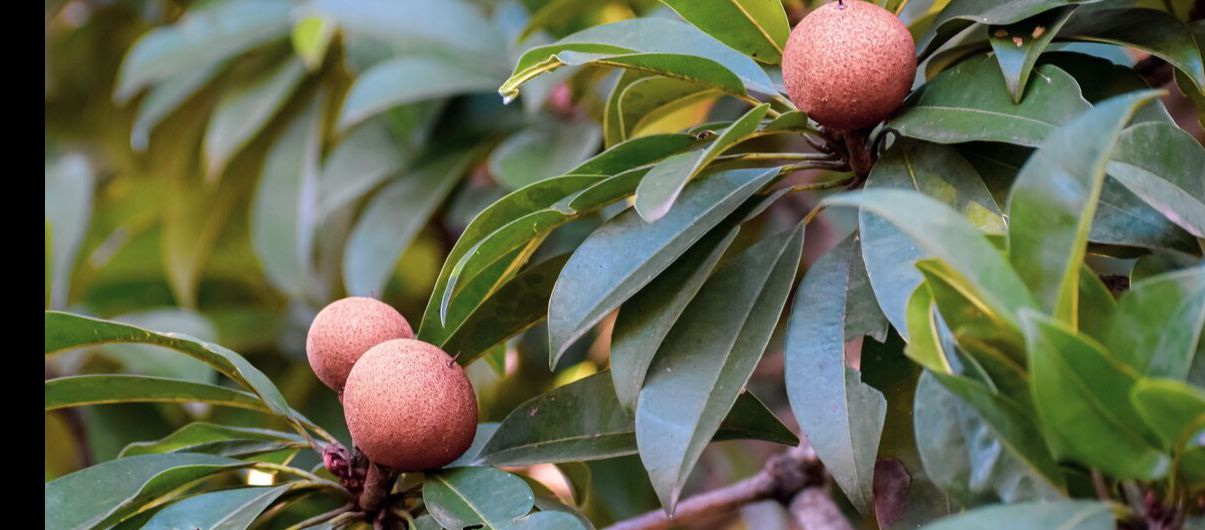
A sapota tree can continue bearing fruit for several decades. This makes it a remarkably long-lived fruit tree. Its fruit, commonly known as chikoo in India and sapodilla elsewhere, is loved for its soft, grainy texture and naturally sweet flavour. Scientifically known as Manilkara zapota, the fruit also offers dietary fibre, vitamin C, potassium, copper, and natural carbohydrates.
While the ripe fruit is the most commonly eaten part, the sapota plant has a story beyond the fruit bowl. Its leaves, bark, seeds and latex have also been used in various traditional practices, although these uses should be considered separately from the nutritional benefits of eating chikoo. Here is a closer look at the health benefits of chikoo, its nutritional value, traditional uses and precautions worth knowing.
Traditional and Ayurvedic uses of Sapota
Sapota originally comes from Central America and was introduced to India much later. Over time, different parts of the plant found their way into local and traditional practices. However, these uses are not necessarily the same as classical Ayurvedic remedies, and the evidence behind them varies. It is also important to remember that the ripe fruit, leaves, bark, seeds and latex are very different from one another and should not be used interchangeably.
Ripe fruit: This is the familiar edible part of sapota. When fully ripe, its soft pulp provides fibre, carbohydrates and other nutrients and has traditionally been enjoyed as a nourishing food.
Leaves: Sapota leaves have been used in some traditional preparations, including teas and decoctions. Claims around their digestive or anti-inflammatory effects are not well established, so they should not be used medicinally without professional guidance.
Bark: The bark is rich in tannins, which give it astringent properties and explain some of its traditional uses. Homemade bark preparations are best avoided because their strength and safety can be difficult to judge.
Seeds and seed oil: Sapota seeds are not normally eaten with the fruit. Some traditional practices have used preparations made from the seeds or seed oil, including topical applications, but homemade preparations are not advisable.
Latex: The sapota tree produces a milky latex that was historically an important source of chicle, the natural material once widely used to make chewing gum. This latex should not be treated as an edible or household medicinal ingredient.
Top 10 Health Benefits of Sapota
The following chikoo fruit benefits relate mainly to fully ripe pulp. Traditional plant-part uses require separate professional guidance.
1. May Support Healthy Digestion
A ripe chikoo can be a simple way to get more fibre into your diet. Fibre helps keep food moving through the digestive system and supports regular bowel movements. Since the fruit is naturally soft when ripe, you can simply scoop out the flesh and eat it without much preparation.
Ripeness matters, though. Unripe chikoo is much more astringent and contains latex, which can make it unpleasant to eat and may irritate the mouth or digestive system. For digestive benefits, stick to fully ripened fruit.
2. Provides a Natural Source of Energy
The sweetness of chikoo comes from naturally occurring carbohydrates, including sugars such as glucose and fructose. The body can use these carbohydrates for energy. This makes chikoo a naturally sweet option when you want a quick snack.
Eating the pulp also gives you fibre and micronutrients that you wouldn't get from foods containing mainly added sugar. Whole fruit is generally a better choice than strained chikoo juice, since processing can remove some of its fibre. So, while chikoo juice benefits may sound appealing, they shouldn't automatically be considered greater than the benefits of eating the fruit itself.
3. May Help You Feel Full for Longer
Chikoo's fibre can also make the fruit more satisfying than its sweetness might suggest. Fibre slows digestion and can help you stay full for longer after eating, which may make it easier to manage hunger between meals.
The way you eat chikoo matters here too. Eating the pulp gives you the fruit in its less processed form, whereas strained juice is much quicker to drink and may contain less fibre. If fullness is the goal, choosing the whole fruit makes more sense.
4. May Support Normal Immune Function
Chikoo contains vitamin C, which the immune system needs to function normally. Vitamin C also works as an antioxidant, helping protect cells against oxidative stress. The fruit provides copper as well, another nutrient involved in normal immune processes.
This doesn't imply that eating chikoo will “boost” immunity or prevent infections. Think of it as another way to bring useful nutrients into your diet alongside a variety of fruits, vegetables and other nutritious foods.
5. Can Be Part of a Heart-Healthy Diet
Among the benefits of eating chikoo is its combination of fibre and potassium.
Potassium helps the body maintain normal fluid balance and plays a role in muscle function, including the normal functioning of the heart.
Fibre, meanwhile, is an important part of an overall heart-healthy eating pattern.
That said, eating chikoo should not be viewed as a treatment for high blood pressure or heart disease. It is simply one fruit that can fit into a proper, balanced diet alongside other foods that are good for heart health.
6. Provides Naturally Occurring Antioxidants
Chikoo provides vitamin C along with naturally occurring plant compounds such as polyphenols. These substances have antioxidant activity, which means they help protect cells from oxidative stress caused by unstable molecules known as free radicals.
It is important to note that eating an antioxidant-rich fruit doesn't guarantee protection against a particular condition. The more useful takeaway is variety; chikoo can sit alongside berries, citrus fruits, vegetables and other plant foods to broaden the range of nutrients and plant compounds in your diet.
7. May Support Healthy Skin
Some of the chikoo fruit benefits also come down to the nutrients inside the fruit rather than anything you apply to your skin. Vitamin C, for example, is needed to make collagen, a protein that helps maintain normal skin structure. Chikoo also provides copper, which has a role in maintaining connective tissues and normal pigmentation.
Note: These are nutritional benefits of eating ripe chikoo. They shouldn't be confused with claims about putting chikoo seeds, latex or homemade preparations directly on the skin, as those uses have different safety considerations.
8. Provides Nutrients Needed for Bones and Muscles
Chikoo contains minerals such as potassium, magnesium, calcium and phosphorus, which the body uses for functions ranging from muscle contraction and nerve signalling to maintaining bones.
Note: The amounts found in chikoo don't make it a major source of every one of these minerals, so it shouldn't replace foods that are particularly rich in calcium, protein or other bone-supporting nutrients. Instead, these minerals form part of chikoo's wider nutritional profile.
9. May Support Normal Eye Health
Chikoo contains small amounts of nutrients involved in maintaining normal vision, including vitamin A-related compounds and vitamin C. Vitamin A is particularly important for normal vision, including the function of the retina.
This is one of the health benefits of chikoo that needs some perspective. Eating the fruit will not improve eyesight or correct a vision problem. Its nutrients simply form part of the broader mix of vitamins and minerals the eyes need, which is another reason dietary variety matters.
10. Can Add Variety to the Diet During Pregnancy
Ripe chikoo provides carbohydrates, fibre and micronutrients such as vitamin C, copper and folate. This makes it one of many fruits that can add variety to the diet during pregnancy. Its fibre may be useful for maintaining regular bowel movements, while vitamin C can help the body absorb iron from plant-based foods.
During pregnancy, chikoo should be enjoyed simply as a fruit rather than as a remedy for tiredness, digestive issues or other concerns. Dietary needs can also change during pregnancy, especially for those managing conditions such as gestational diabetes. If you’re unsure about how much chikoo to include in your diet, speak with your doctor or dietitian. It’s also best to stick to the ripe fruit and avoid using the leaves, bark, seeds or latex as home remedies.
Nutritional Value of Chikoo
Here’s a quick look at its nutritional profile per 100 grams:
Nutrient | Amount per 100 g |
Calories | 83 kcal |
Carbohydrates | 20 g |
Fibre | 5 g |
Protein | 0.4 g |
Fat | 1.1 g |
Vitamin C | 14.7 mg |
Vitamin A | 60 IU |
Potassium | 193 mg |
Calcium | 21 mg |
Iron | 0.8 mg |
Magnesium | 12 mg |
Chikoo also contains naturally occurring plant compounds, including tannins and polyphenols, which have antioxidant activity and may help protect cells from oxidative stress.
Key Facts about Sapota
Here are some key facts about sapota worth knowing:
Sapota goes by several names: In India, you will often hear it called chikoo or chiku, while internationally it is commonly known as sapodilla.
It gets sweeter as it ripens: An unripe sapota can taste quite astringent because of its tannin content. As the fruit ripens, it becomes softer and develops its characteristic sweet flavour.
The sapota tree has a surprising history: The sapodilla tree (Manilkara zapota) produces a natural latex called chicle. This was traditionally used as a base for chewing gum.
Side Effects of Sapota
Chikoo is generally safe to eat when ripe, but that doesn’t mean every part of the sapota plant should be used in the same way. A few precautions can help you enjoy the fruit safely:
Choose ripe chikoo: Unripe fruit contains more latex and tannins, which give it a strong astringent taste and may irritate the mouth or cause digestive discomfort.
Watch for allergic reactions: Although uncommon, an allergy to sapota is possible. Stop eating it if you develop itching or swelling. Wheezing, difficulty breathing or other signs of a severe allergic reaction require urgent medical attention.
Keep portions in mind if you have diabetes: Chikoo is naturally rich in carbohydrates and sugars. If you have diabetes, including gestational diabetes, follow the portion and meal-planning advice given by your doctor or dietitian.
Introduce fibre gradually: Chikoo provides a good amount of fibre, but suddenly eating much more fibre than usual can leave some people feeling bloated or gassy.
Remove the seeds before eating: Chikoo seeds are hard and aren't meant to be eaten. Take them out before serving the fruit, particularly to young children.
Be cautious with other parts of the plant: Eating ripe chikoo is very different from using its leaves, bark, seeds, latex, oils or concentrated extracts as remedies. Avoid preparing or using these medicinally without guidance from an appropriately qualified healthcare or Ayurvedic practitioner.
Take extra care with medicinal preparations: If you're pregnant or breastfeeding, giving them to a child or older adult, taking regular medicines, or managing an existing health condition, seek professional advice before using sapota-based traditional preparations.
Note: If you have a known allergy to chikoo, it is best to avoid the fruit altogether. If you experience any of the symptoms mentioned above and they persist or worsen, seek medical advice promptly.
Importance of Health Insurance
Good health is shaped by many everyday choices, from what you eat to how active you are. But there are some things you simply cannot plan for, such as an unexpected hospital stay or a medical procedure. Having one of the right health insurance plans in place means you have financial support for eligible medical expenses when you need it, rather than having to manage the entire cost from your savings.
For households looking to protect more than one member, family health insurance can offer a convenient way to plan for the family's healthcare needs. Super Health Insurance by SBI General Insurance offers individual and family floater options, along with coverage for eligible hospitalisation expenses and AYUSH treatment subject to the policy terms and conditions. So, while choices such as eating well can support your everyday health, suitable insurance cover helps you stay financially prepared when medical care becomes necessary.
Disclaimer: Coverage, benefits and features may vary depending on the policy chosen and are subject to applicable terms, conditions, exclusions, waiting periods and limits. Please refer to the policy wording and related documents for complete details before purchasing.
Conclusion
Sapota, or chikoo as it is commonly known in India, is more than just a naturally sweet fruit. When eaten ripe, it provides fibre, vitamin C, potassium, copper and beneficial plant compounds that can support everyday nutrition, from healthy digestion to normal immune and heart function. The key, however, is to separate the benefits of the fruit from the traditional uses of other parts of the plant.
Leaves, bark, seeds, latex and extracts should not be treated in the same way as ripe chikoo or used casually as home remedies. Ultimately, enjoying ripe chikoo in moderation as part of a varied, balanced diet is the simplest and safest way to make the most of what this tropical fruit has to offer.
FAQs
1. Can sapota help in managing diabetes?
Although there are various benefits of eating chikoo, the fruit alone cannot help with diabetes management. Its natural carbohydrate must fit a personalised plan advised by a clinician or dietitian. Leaf or bark extracts should not replace prescribed care.
2. Does sapota have antioxidant properties?
Yes. Vitamin C and polyphenols in ripe sapota have antioxidant activity and may protect cells from oxidative stress. However, this does not make the fruit a replacement for medical treatment.
3. Is sapota safe during pregnancy?
During pregnancy, dietary requirements can differ from person to person. Ripe, properly washed chikoo can be enjoyed consumed in moderation. However, those managing gestational diabetes, food allergies or digestive sensitivities may need to be more mindful of how much they eat.
It is best to avoid using chikoo leaves, bark, seeds, latex or other plant-based preparations as remedies during pregnancy, unless specifically advised by a qualified healthcare professional.
4. How do you select and store ripe chikoo?
Choose intact brown fruit that yields slightly to pressure and has a sweet aroma. Let firm chikoo ripen at room temperature, then refrigerate it. Remove the skin and seeds, and discard spoiled fruit.
This blog is intended solely for educational and informational purposes. Content reflects data at time of publication and may not accurately reflect current premiums, terms, or regulations. Readers are encouraged to confirm the accuracy and relevance of the data before making any significant decisions. SBI General Insurance disclaims responsibility for any errors or consequences arising from the use of outdated information provided herein. For more details, please refer to the policy wordings and prospectus before concluding the sales. *Add-ons are subject to payment of additional premium.
Access and manage all your Insurance Needs in one place, right at your Fingertips.




4/5*
Access and manage all your Insurance Needs in one place, right at your Fingertips.



Vision
Our vision is to become the most trusted general insurer for a transforming India.
Mission
Our mission is to provide simple and innovative general insurance solutions, be responsive to our customers' needs and build a sustainable business for the future.
We're socially active!