


 Contact Us


 Other Insurance
Health Benefits of Sattu
Date: Sep 28, 2026 - Last Modified Sep 28, 2026


A traditional Indian staple, sattu packs considerable nutrition into a simple roasted flour. In a 2023 food-science study, chickpea sattu samples were found to contain around 26% protein, highlighting why this humble ingredient has long been valued as a nutrient-dense food.
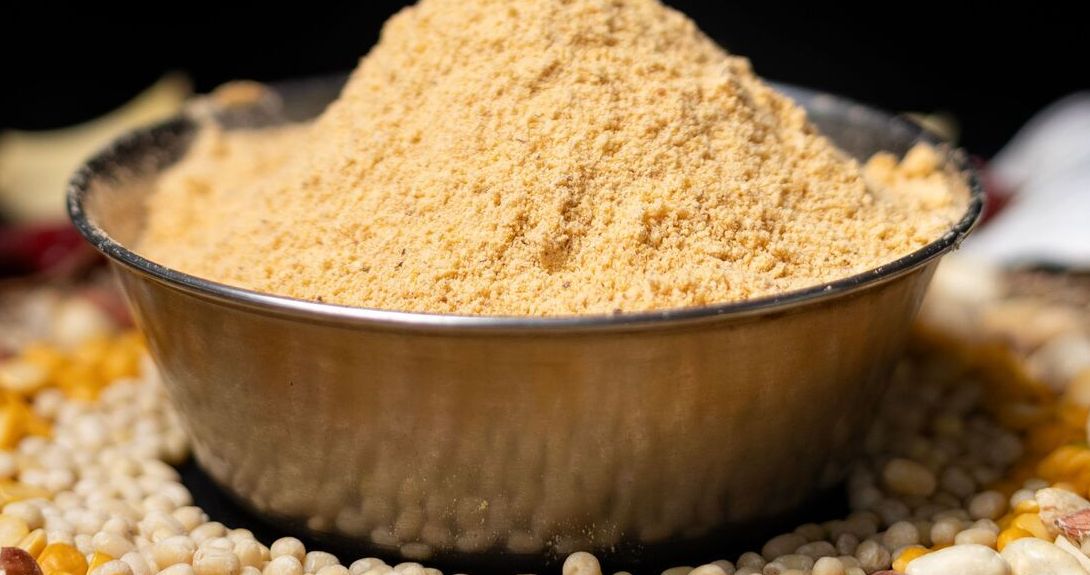
Sattu is usually made by roasting Bengal gram and grinding it into flour, although regional versions may also contain other pulses or cereals. Many sattu benefits come from its combination of plant protein, carbohydrates, fibre and minerals. One of the practical sattu powder benefits is its versatility: it can be mixed into drinks, kneaded into dough or used as a filling in dishes such as parathas and litti, making it easy to include in everyday meals.
Top 10 Health Benefits of Sattu
The sattu benefits are easier to understand when its protein, fibre and minerals relate to their everyday functions in the body. It can add useful nutrition to meals, but it should be treated as a food rather than a remedy for a medical condition.
1. Provides Plant-Based Protein
Sattu, made from roasted Bengal gram, is a rich source of protein. Current nutrition guidance estimates roughly 20 to 25 g of protein per 100 g of sattu, although the amount can vary by preparation. Protein supplies amino acids needed to maintain muscles, repair tissues and support enzymes and other normal body functions.
2. Supports Digestive Regularity
Bengal gram provides dietary fibre, which can add bulk to stools and support regular bowel movements. Some of its fibre can also be fermented by gut bacteria, helping support a healthy gut environment. Increasing fibre intake gradually is usually more comfortable, as suddenly consuming large amounts of sattu may cause gas or bloating in people who are not used to fibre-rich foods.
3. Can Help Meals Feel More Filling
Protein and fibre both take time to digest and can contribute to a lasting feeling of fullness after eating. This means sattu may make a breakfast or snack more satisfying. For individuals trying to manage body weight, greater satiety can make portion control easier, although sattu itself does not directly cause weight loss.
4. May Support Steadier Blood Sugar Responses
Chickpeas have a relatively low glycaemic index, while their fibre and protein slow digestion and carbohydrate absorption. Sattu prepared mainly from roasted Bengal gram may therefore fit into meals designed to avoid rapid glucose rises. Portion size and additions still matter, particularly if a drink contains sugar, jaggery or another sweetener.
5. Can Contribute to Heart-Friendly Eating
Roasted Bengal gram contains fibre and is naturally cholesterol-free. Legumes are also sources of potassium, magnesium and unsaturated fats. Diets that include legumes in place of some refined carbohydrates or foods high in saturated fat can support healthier cholesterol and cardiovascular risk factors. Sattu should therefore be viewed as one component of a wider heart-conscious diet.
6. Supplies Iron
Sattu provides plant-based iron. The body uses iron to make haemoglobin, the protein in red blood cells that carries oxygen around the body. Plant iron is not absorbed as efficiently as iron from some animal foods, so combining sattu with a vitamin C source, such as lemon, can be a useful dietary pairing.
7. Provides Magnesium and Other Minerals
Bengal gram contributes magnesium, potassium, phosphorus and several other micronutrients. Magnesium supports muscle and nerve function and participates in many biochemical processes. Potassium contributes to normal fluid balance and blood-pressure regulation. Sattu will not provide every mineral the body needs, but it can make a useful contribution alongside vegetables, fruits and other varied foods.
8. Provides Energy Through Carbohydrates
Sattu contains carbohydrates alongside protein and fibre. Carbohydrates are broken down into glucose, which the body uses as an important source of energy for the brain, muscles and other tissues. Because gram-based foods also contain fibre and protein, they tend to digest more gradually than many foods made primarily from refined flour or added sugar.
9. Makes a Practical Summer Drink
Among the familiar sattu drink benefits is that the powder can be mixed with water to create a simple beverage that contributes to fluid intake while also providing some protein and fibre. Lemon, mint or roasted cumin can add flavour without requiring much sugar. The hydration benefit comes largely from the water in the drink rather than from a special cooling property of sattu itself.
10. Adds Nutrition Without Complicated Preparation
One of the useful sattu powder benefits is that it requires little preparation before eating. It can be mixed into a drink, incorporated into paratha filling or added to other recipes. This convenience can make it easier to include a pulse-based food in busy routines, especially when preparing cooked legumes every day is less practical.
Nutritional Facts About Sattu
The exact nutritional value of sattu can vary depending on the gram used and the roasting method. Here is a table containing the approximate nutritional value of sattu per 100 grams:
Nutrient | Approximate amount per 100 g |
Protein | ~26 g |
Carbohydrates | ~61–63 g |
Crude fibre | ~3–4 g |
Fat | ~4–5 g |
Ash (mineral content) | ~3 g |
This nutrient profile helps explain several sattu benefits, particularly its role as a source of plant-based protein and carbohydrates. The sattu drink benefits, however, also depends on what is added to it. Ingredients such as sugar, jaggery, salt or curd can change its calorie, sugar and sodium content.
Interesting Facts About Sattu
Sattu may look like a simple roasted flour, but it has been part of Indian diets for generations and can be used in everything from cooling drinks to stuffed parathas.
Popular in summer: Sattu is traditionally mixed with water, lemon and spices to make a refreshing drink.
Versatile in cooking: It is commonly used in litti, parathas, laddoos and savoury preparations.
Different from besan: Sattu is made from roasted gram, while besan is generally prepared from unroasted Bengal gram.
Can support balanced meals: Its protein and fibre content can make meals and snacks more substantial when paired with other nutritious foods.
Side Effects of Sattu
Sattu is commonly eaten as food, but portion size and individual tolerance still matter.
Gas and bloating: Fibre and fermentable carbohydrates in gram can cause temporary gas or abdominal discomfort, particularly after a sudden increase in intake.
Allergic reactions: People with chickpea or other legume allergies should avoid gram-based sattu and seek medical advice regarding suitable alternatives.
Excess calories: Sattu is nutritious but still contributes energy, so several large servings may work against individual calorie requirements.
Added sugar: Sweet sattu drinks made with substantial sugar or jaggery can contain considerably more calories and free sugar than plain preparations.
High salt intake: Savoury drinks prepared with large amounts of black salt or ordinary salt may unnecessarily increase sodium intake.
Individual blood sugar needs: People managing diabetes should consider the entire serving, including sweeteners and portion size, instead of assuming every sattu preparation will affect glucose in the same way.
Digestive conditions: People with gastrointestinal disorders or a medically prescribed diet may need individual advice before substantially increasing pulses and fibre.
Importance of Health Insurance
Sattu has long been valued as a simple, nourishing food, particularly because it combines protein, fibre and ease of preparation. But while everyday food choices can support long-term well-being, they cannot account for every health event that may arise unexpectedly.
This is where health insurance becomes relevant. Having suitable health insurance can help reduce the financial burden of eligible treatment costs and allow individuals to focus more on recovery.
For example, Super Health Insurance by SBI General Insurance offers coverage for:
In-patient hospitalisation cover for eligible treatment expenses.
Health Multiplier Benefit, which can increase coverage for 37 listed serious illnesses.
Claims Shield, which covers specified non-medical consumables such as gloves, masks, cotton and bandages.
Disclaimer: Coverage, features and benefits are subject to the terms, conditions, exclusions and applicable limits of the policy. Please refer to the policy wording for complete details.
Conclusion
Sattu is a simple, traditional food with a strong nutritional profile. Made from roasted gram or other grains and pulses, it can contribute plant protein, fibre, carbohydrates and important minerals while fitting easily into everyday meals.
The overall sattu benefits, however, depend on how it is prepared and consumed. A moderate serving mixed with water or paired with vegetables and other nutritious foods can be part of a balanced diet, while adding excessive sugar or relying on sattu in place of dietary variety can reduce its overall nutritional value.
FAQs
1. What are the main health benefits of sattu?
Sattu made from roasted Bengal gram provides plant protein, fibre, carbohydrates and minerals such as iron and magnesium. These nutrients can support muscle maintenance, digestion, satiety and general nutrition. Its usefulness depends on portion size and the overall diet rather than any single disease-preventing effect.
2. How much protein does sattu contain?
Chana-based sattu may provide around 20 to 25 g of protein per 100 g, according to current nutrition guidance. The exact amount varies depending on the gram variety, processing method and whether other grains or pulses are included, so packaged products should be checked individually.
3. Is sattu good for weight loss?
Sattu may support weight-management efforts because its protein and fibre can make meals more satisfying and help control hunger. It does not directly cause weight loss. Total calorie intake, physical activity, sleep, portions and additions such as sugar or ghee ultimately influence changes in body weight.
4. Can sattu be consumed daily in summer?
Sattu can be eaten regularly if it suits an individual's diet and digestion. Mixed with safe drinking water, it can contribute to fluid intake during warm weather. Portions should remain appropriate, while people with allergies, digestive problems or prescribed diets may require personalised advice before daily consumption.
5. Does sattu help control blood sugar?
Gram-based sattu contains protein and fibre that can slow carbohydrate digestion and may support steadier post-meal glucose responses. However, sweetening the drink heavily can change this effect. People with diabetes should consider portions, the complete meal and individual glucose responses while following their prescribed management plan.
6. What is the difference between sattu and chana flour?
Sattu is generally made by roasting Bengal gram before grinding it, giving it a toasted flavour and allowing it to be mixed directly into suitable preparations. Besan or ordinary chana flour is generally produced from unroasted Bengal gram and is commonly cooked before consumption.
This blog is intended solely for educational and informational purposes. Content reflects data at time of publication and may not accurately reflect current premiums, terms, or regulations. Readers are encouraged to confirm the accuracy and relevance of the data before making any significant decisions. SBI General Insurance disclaims responsibility for any errors or consequences arising from the use of outdated information provided herein. For more details, please refer to the policy wordings and prospectus before concluding the sales. *Add-ons are subject to payment of additional premium.
Access and manage all your Insurance Needs in one place, right at your Fingertips.




4/5*
Access and manage all your Insurance Needs in one place, right at your Fingertips.



Vision
Our vision is to become the most trusted general insurer for a transforming India.
Mission
Our mission is to provide simple and innovative general insurance solutions, be responsive to our customers' needs and build a sustainable business for the future.
We're socially active!