


 Contact Us


 Other Insurance
Health Benefits of Sesame Oil
Date: Oct 5, 2026 - Last Modified Oct 5, 2026


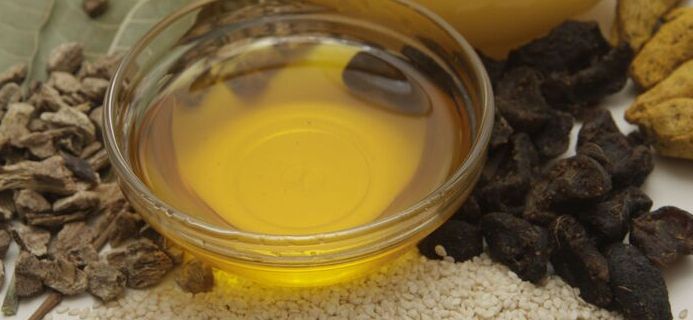
Sesame oil is one of the oldest edible oils used by humans. Made from sesame seeds, it has been part of cooking traditions for thousands of years. In India, sesame oil is commonly known as til ka tel, while in parts of South India it is also called gingelly oil. Its characteristic nutty flavour makes it a familiar ingredient in Indian, Asian and Middle Eastern cuisines.
Not all sesame oil looks or tastes the same. Oil made from untoasted sesame seeds is usually light in colour with a mild flavour. On the other hand, toasted seeds give the oil a darker colour and a richer, nuttier taste.
But sesame oil has more to offer than just flavour. Many of the potential sesame oil benefits come from its unsaturated fats and naturally occurring compounds: sesamin, sesamolin and sesamol. These compounds have been studied for their effects on heart health, inflammation and the body's antioxidant defences. Its uses aren't limited to cooking; sesame oil is also used for skin and hair care.
Top 10 Health Benefits of Sesame Oil
What makes sesame oil interesting is its mix of unsaturated fats and naturally occurring compounds, including lignans and tocopherols. These components are involved in fat metabolism, antioxidant defence and the body’s inflammatory response. Here are the top ten sesame oil benefits and what the research says about them.
1. Provides Antioxidant Support
When free radicals build up, they can cause oxidative stress and damage cells over time. Sesame oil is naturally rich in compounds such as sesamin, sesamolin, sesamol and tocopherols. These compounds act as antioxidants, helping the body deal with free radicals.
Sesame oil also supports the body’s own antioxidant defence systems. This is one reason its natural compounds are often linked with protective effects against everyday oxidative stress.
2. Supports Heart Health
One of the better-known sesame oil benefits is its connection with heart health. Sesame oil contains plenty of unsaturated fats, particularly oleic and linoleic acids. Using unsaturated fats in place of saturated fats can help maintain healthier cholesterol levels.
Sesame lignans are also linked with processes involved in blood pressure and blood-vessel function. Of course, simply adding sesame oil to meals will not make an otherwise unhealthy diet heart-friendly. It works best when included in a balanced diet with plenty of vegetables, whole grains and other nutritious foods.
3. Helps the Body Manage Inflammation
Inflammation is a normal part of the body’s response to injury, infection and other forms of stress. The problem arises when inflammatory activity continues for longer than necessary.
Compounds such as sesamin and sesamol present in sesame oil interact with some of the pathways involved in this response. The antioxidant action of these compounds can also be useful since oxidative stress and inflammation often go hand in hand.
Note: Sesame oil isn’t a treatment for inflammation, but these properties may help the body manage inflammation in a healthy way.
4. Keeps Skin Soft and Moisturised
Sesame oil can be especially useful when skin feels dry or rough. Its fatty acids form a light layer over the skin, helping reduce moisture loss and leaving the skin feeling softer.
The oil also contains antioxidants that help protect against oxidative stress caused by everyday environmental exposure. While that makes sesame oil a useful addition to a skincare routine, it should not be used as a substitute for sunscreen or treatment for a skin condition.
5. Can Be Used for Oil Pulling
If you have heard of oil pulling, sesame oil is one of the oils traditionally used for it. The practice involves swishing oil around the mouth for several minutes before spitting it out.
Oil pulling can help reduce some of the bacteria and plaque present in the mouth, which could also help with bad breath and gum health. However, think of it as an extra step in oral care rather than an alternative to brushing, flossing and regular dental check-ups.
6. May Help with Blood Sugar Management
As discussed earlier, sesame oil contains lignans such as sesamin and sesamol, along with vitamin E compounds called tocopherols. These compounds have antioxidant properties and are being studied for their role in insulin function and glucose metabolism. By helping limit oxidative stress, they may also support the way cells respond to insulin, which is important for keeping blood sugar levels steady.
Although there are encouraging findings around sesame and blood sugar control, adding sesame oil to the diet is not a replacement for diabetes medication, dietary changes or regular blood sugar monitoring.
7. Offers Compounds Linked with Brain Health
Sesamin and other lignans found in sesame oil have also been studied for their potential role in brain health. Their antioxidant properties may help protect against oxidative stress, which is important because nerve cells are particularly sensitive to oxidative damage.
These compounds also interact with pathways connected with inflammation and nerve-cell protection. However, the effects of sesame oil on brain health are still being explored, so it should not be considered a treatment for neurological conditions.
8. Helps Condition Dry Hair and Scalp
Sesame oil can be useful for dry hair and scalp. Its fatty acids, including oleic and linoleic acids, coat the hair strands and help reduce moisture loss. This leaves the hair feeling softer and smoother. Massaging a small amount into the scalp can also help with dryness and keep it moisturised.
Sesame oil also contains antioxidants such as sesamin and sesamol, which can help protect the hair and scalp from oxidative stress. These sesame oil benefits for hair are mainly related to conditioning and moisture. While it can make hair look and feel healthier, there isn’t enough evidence to say that sesame oil can treat hair loss or promote new hair growth. If hair fall continues or gets worse, it is best to consult a dermatologist to understand the underlying cause and get the right treatment.
9. Contains Compounds Linked to Liver and Kidney Health
Sesame oil contains lignans such as sesamin, which have antioxidant properties. These compounds help the body deal with oxidative stress, a process that can also affect cells in the liver and kidneys. They may also influence the body’s inflammatory response, which is why sesame lignans are being explored for their possible protective effects on these organs.
However, this does not mean sesame oil can detoxify, cleanse or treat the liver or kidneys. It can be included in a balanced diet, but it should not replace medical care for liver or kidney problems.
10. Could Support the Skin’s Natural Repair Process
The sesame oil benefits for skin may extend beyond keeping it moisturised. Its fatty acids help maintain the skin barrier, while sesamin and sesamol have antioxidant properties and interact with processes involved in inflammation.
Together, these properties have created interest in sesame oil’s role during skin repair, including the formation of new skin over damaged areas. That said, sesame oil should not be used to treat an open or serious wound. Deep, infected or slow-healing wounds need appropriate medical care.
Nutritional Value of Sesame Oil
A 1-tablespoon (about 14 g) serving of sesame oil provides approximately:
Nutrient | Amount per 1 tbsp |
Calories | 120 kcal |
Protein | 0 g |
Total fat | 14 g |
Carbohydrates | 0 g |
Fibre | 0 g |
Sugar | 0 g |
Most of the fat in sesame oil comes from unsaturated fats, including oleic acid and omega-6 fatty acids, with smaller amounts of omega-3 fatty acids. It also naturally contains sesame lignans such as sesamin and sesamolin.
Key Facts About Sesame Oil
Here are some key facts about sesame oil:
One of the world’s oldest-known cooking oils: Sesame has been cultivated for thousands of years, and its oil has a long history of culinary use, particularly across Asia and the Middle East.
Toasted sesame oil is a different experience altogether: While regular sesame oil has a relatively mild taste, oil made from toasted sesame seeds develops a much deeper, nutty aroma. That is why even a small drizzle can noticeably change the flavour of a dish.
It naturally contains some unusual plant compounds: Sesame oil contains sesamin and sesamolin, lignans that are characteristic of sesame seeds and have been studied for their antioxidant properties.
It has uses well beyond the kitchen: Sesame oil has traditionally been used for skin and hair care and in Ayurvedic practices, making it more than simply a cooking ingredient.
How to Consume Sesame Oil?
A drizzle of sesame oil can completely change the character of a dish. The trick is choosing the right type. For example, toasted sesame oil has a bold, nutty flavour and works well as a finishing touch. On the other hand, lighter sesame oils are better suited to everyday cooking.
Here are a few easy ways to put it to use:
Give marinades a nutty twist: Add sesame oil to marinades for chicken, tofu, paneer, aubergine or other vegetables. It pairs especially well with soy sauce, ginger, garlic and a little chilli.
Prepare a quick salad dressing: Whisk a small amount of toasted sesame oil with rice vinegar, soy sauce and your choice of seasonings for an easy dressing with plenty of flavour.
Toss it into stir-fries: Light or refined sesame oil can be used for stir-frying, while strongly flavoured toasted sesame oil is usually better added towards the end for extra aroma.
Finish noodles and soups: A small drizzle over noodles, ramen or soup just before serving adds a warm, roasted sesame flavour without overpowering the dish.
Upgrade dips and sauces: Mix sesame oil into hummus, dipping sauces or even pesto when you want to add a slightly deeper, nuttier note.
Add a finishing touch to fried rice: Stir in a small splash of toasted or black sesame oil towards the end of cooking. Its rich, roasted flavour works especially well with fried rice and other savoury dishes. Black sesame oil benefits come from its unsaturated fats and naturally occurring sesame compounds, while its distinctive flavour makes it an easy way to add depth to a dish.
Side Effects of Sesame Oil
Sesame oil can be consumed as part of the diet or applied to the skin. While it is generally well tolerated, it may not suit everyone. A few things to keep in mind include:
- Allergic Reactions: Sesame is a known allergen and can trigger reactions in people who are sensitive to it. If you have a sesame allergy, avoid sesame oil and products containing sesame.
- Digestive Discomfort: Having too much sesame oil may not sit well with everyone and could lead to digestive issues such as diarrhoea or, in some cases, constipation.
- Lower Blood Pressure: Sesame oil may have a blood pressure-lowering effect. This is worth keeping in mind if you already have low blood pressure or take medicines to manage it.
- Skin Irritation: Using sesame oil on the skin may cause redness, itching or irritation in some people. If you have sensitive skin, consider testing a small amount first.
Medicine Interactions: Sesame oil and its components may affect how certain medicines work in the body. If you take regular medication and plan to use sesame oil frequently or for therapeutic purposes, speak to a healthcare professional first.
Importance of Health Insurance
Sesame oil can be a great addition to a proper, balanced diet. However, taking care of your well-being involves more than everyday food choices. Regular check-ups, timely medical care and financial planning for healthcare are also important parts of looking after your health. Exploring suitable health insurance plans can make it easier to plan for healthcare expenses at different stages of life. As healthcare needs can change with age, senior citizen health insurance can also provide cover designed around the needs of older adults.
If you are exploring options, Super Health Insurance by SBI General Insurance offers coverage for individuals and families, with sum insured options ranging from ₹3 lakh to ₹2 crore. SBI General Insurance also has a network of 18,000+ hospitals and offers 24x7 support through the SBI General Insurance App. This way, you can get assistance when you need it and have greater convenience while managing your health insurance needs.
Disclaimer: Coverage is subject to the policy terms, conditions, limits, exclusions and eligibility requirements. Please read the policy wording and sales brochure carefully to understand the complete scope of coverage before purchasing the policy.
Conclusion
Sesame oil provides unsaturated fats and naturally occurring compounds such as sesamin and sesamolin, making it a useful addition to a balanced diet when used in moderation. The type you choose matters too. Light sesame oil is easy to use for everyday cooking, while toasted or black sesame oil can bring a rich, nutty flavour to even a simple dish. A little goes a long way, making sesame oil an easy ingredient to work into everyday meals while enjoying its nutritional benefits.
FAQs
1. What are the antioxidant properties of sesame oil?
Sesame oil contains antioxidant compounds including sesamin, sesamolin, sesamol and tocopherols. These compounds may help neutralise free radicals and limit oxidative stress.
2. How does sesame oil support heart health?
The unsaturated fatty acids in sesame oil may help manage cholesterol levels, while sesamin may help control blood pressure and blood-vessel function. These actions can support cardiovascular health.
3. Can sesame oil improve skin health?
Yes. Its lignans and antioxidant compounds may support the skin barrier, moisture retention and protection against oxidative stress. These effects contribute to potential sesame oil benefits for skin.
4. Does sesame oil have anti-inflammatory effects?
Compounds such as sesamin and sesamol have been studied for their effects on processes involved in inflammation. Their antioxidant properties may also be relevant, as oxidative stress and inflammation are closely linked. However, sesame oil should not be considered a treatment for inflammatory conditions.
5. How does sesame oil benefit oral health?
Sesame oil is traditionally used for oil pulling, a practice that may help reduce certain oral bacteria and plaque. However, oil pulling should be an additional oral-hygiene practice rather than a replacement for brushing, flossing or regular dental care.
6. What is oil pulling with sesame oil?
Oil pulling involves swishing sesame oil around the mouth and between the teeth for several minutes before spitting it out. It is traditionally used as an additional oral-hygiene practice, and the oil should not be swallowed.
7. Is til oil good for hair growth?
Til oil, or sesame oil, can moisturise a dry scalp and condition the hair, helping it feel softer and smoother. However, there isn't enough evidence to say that sesame oil promotes new hair growth or treats hair loss. The better-established sesame oil benefits for hair are related to moisture and conditioning.
This blog is intended solely for educational and informational purposes. Content reflects data at time of publication and may not accurately reflect current premiums, terms, or regulations. Readers are encouraged to confirm the accuracy and relevance of the data before making any significant decisions. SBI General Insurance disclaims responsibility for any errors or consequences arising from the use of outdated information provided herein. For more details, please refer to the policy wordings and prospectus before concluding the sales. *Add-ons are subject to payment of additional premium.
Access and manage all your Insurance Needs in one place, right at your Fingertips.




4/5*
Access and manage all your Insurance Needs in one place, right at your Fingertips.



Vision
Our vision is to become the most trusted general insurer for a transforming India.
Mission
Our mission is to provide simple and innovative general insurance solutions, be responsive to our customers' needs and build a sustainable business for the future.
We're socially active!