


 Contact Us



 Other Insurance
Shatavari: Potential Benefits, Uses and Side Effects
Date: Nov 4, 2026 - Last Modified Nov 5, 2026


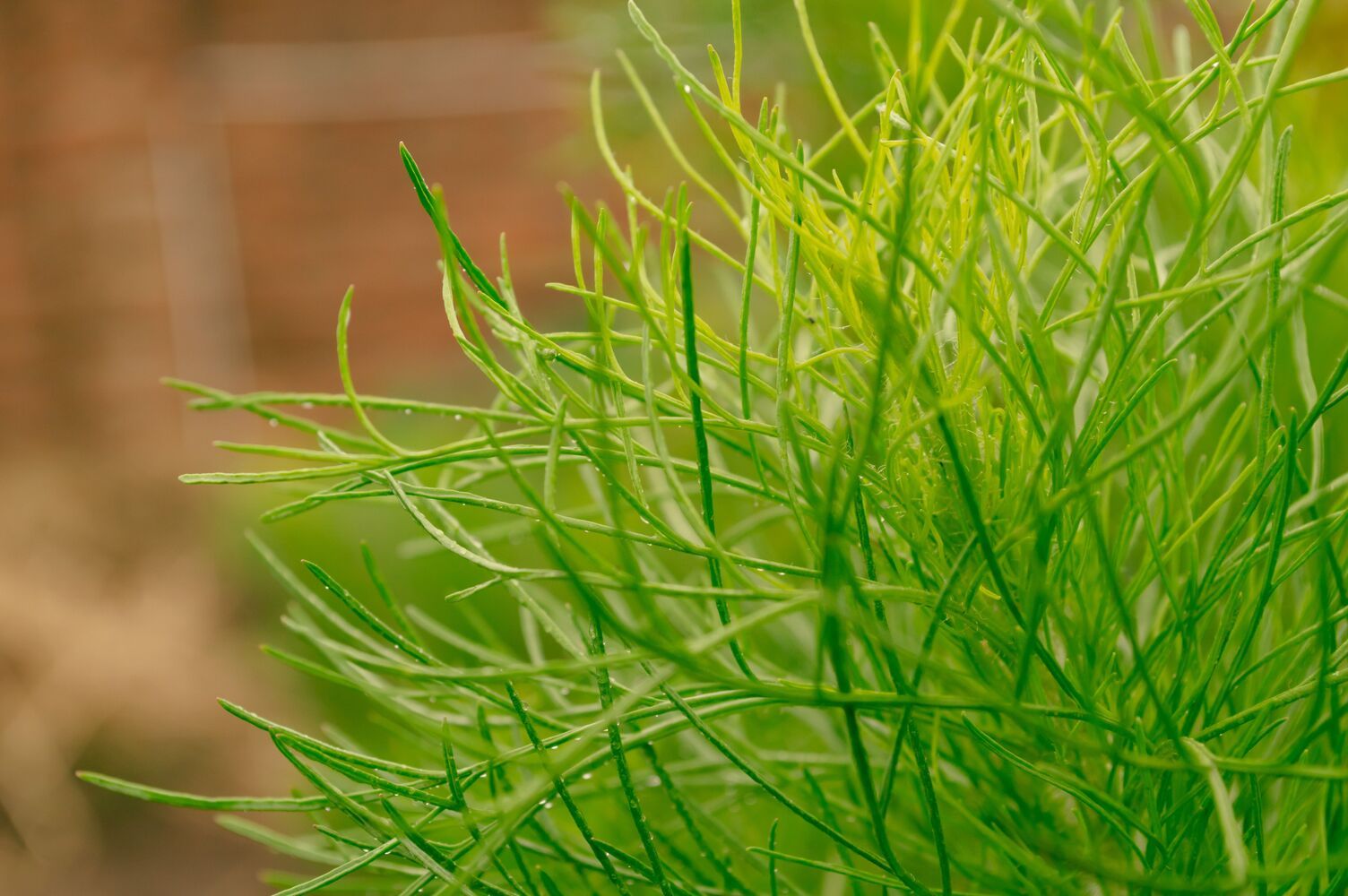
Shatavari belongs to the asparagus family, although it looks quite different from the familiar vegetable on your plate. Native to India and other parts of South Asia, it is a climbing plant that has been used in Ayurveda for centuries. It is classified as a rasayana, a group of preparations traditionally associated with vitality and general well-being.
Much of the discussion about shatavari benefits focus on its root. It contains steroidal saponins known as shatavarins, along with flavonoids and other naturally occurring plant compounds.
Today, shatavari is available as powder, capsules and standardised extracts. If you are exploring shatavari powder benefits, it is worth knowing that these forms are not necessarily interchangeable. Root powder and concentrated extracts can differ in their preparation, strength and the doses studied in research. Read on to know more.
Shatavari Powder vs Shatavari Extract: What’s the Difference?
Shatavari comes in different forms. However, that does not imply they can always be used in the same way.
Shatavari powder: It is generally made by drying and grinding the root. As a result, it remains relatively close to the original plant material. It may be mixed with water or milk or added to other preparations.
Shatavari extracts: These are more concentrated. They are processed to concentrate certain plant compounds and may also be standardised to contain a specified amount of particular constituents. This means a small quantity of an extract may not be equivalent to the same quantity of shatavari powder.
This distinction also matters when looking at research on shatavari powder benefits. If a study uses a concentrated extract, its findings may not apply in exactly the same way to traditional root powder. So, it helps to check which form of shatavari was studied and how much was used.
Potential Health Benefits of Shatavari
Before looking at the potential shatavari benefits, it is worth keeping the research in mind. Some uses have been explored in human studies, while others are still based mainly on laboratory research, animal studies or traditional Ayurvedic use. Here is what the available evidence suggests so far in terms of health benefits.
1. May Support Women’s Reproductive Health
Shatavari has a long history of use in Ayurveda for women’s reproductive well-being. Much of the scientific interest today centres on compounds in its root, particularly steroidal saponins called shatavarins. Researchers are exploring whether these compounds may interact with hormonal and reproductive processes in the body.
More recently, shatavari has also been studied in women with polycystic ovary syndrome (PCOS). A 2026 randomised controlled trial reported improvements in perceived stress, follicular count and endometrial thickness among participants taking shatavari. However, the study did not find significant improvements across several hormonal measures or BMI.
These findings provide an interesting direction for further research, but they do not establish shatavari as a treatment for PCOS, infertility or other reproductive conditions. If your symptoms persist, consult a healthcare professional.
2. May Help with Some Menopausal Symptoms
Hot flushes, disturbed sleep, vaginal dryness and changes in mood are among the symptoms some women experience during perimenopause and menopause. Shatavari has traditionally been associated with women’s health. Researchers have begun looking at whether its plant compounds could have a role during this transition.
Small randomised controlled trials using standardised shatavari extracts have reported improvements in some menopausal and perimenopausal symptoms compared with placebo. These findings suggest a possible benefit, but the studies have generally involved relatively small groups and specific formulations.
This distinction matters because the same results cannot automatically be expected from every shatavari powder, capsule or extract. Persistent or difficult menopausal symptoms are best discussed with a healthcare professional.
3. May Support Women’s Sexual Well-being
Sexual well-being can be influenced by several factors, including hormones, stress, physical health and emotional well-being. Researchers have explored whether shatavari may have a role here too, particularly because of its traditional association with women’s reproductive health.
In a 2026 randomised, double-blind study involving 135 women, researchers compared shatavari root extract, a combination of shatavari and ashwagandha, and a placebo over eight weeks. Women receiving shatavari alone showed improvements in overall female sexual-function scores and satisfaction compared with the placebo group.
The study adds to the emerging evidence on shatavari benefits for women. However, one trial cannot establish that everyone will experience the same effect. Larger and longer studies are needed to understand its role more clearly.
4. May Support Breast-Milk Production
Shatavari has traditionally been used as a galactagogue, a term used for substances believed to help support breast-milk production. Its possible effect on lactation is thought to be linked to the plant’s bioactive compounds and their influence on hormonal processes involved in milk production.
Some small human studies involving shatavari or shatavari-containing preparations have reported increases in breast-milk output or related measures. This provides some support for its traditional use, although the preparations and doses used across studies have varied.
Evidence is therefore still limited, and information about its safety during breastfeeding is not comprehensive. Anyone considering shatavari specifically for milk production should first discuss it with their doctor or qualified lactation professional.
5. May Support Digestive Health
Shatavari has also traditionally been used for digestive well-being. Researchers have explored whether compounds in the root could affect processes such as gastric emptying or help protect the stomach lining.
Older experimental research has investigated its effects on gastric function, while animal studies have reported protective effects against certain types of ulcer-related stomach damage. These findings may help explain why digestive health is frequently mentioned among traditional shatavari powder benefits.
However, sufficient human evidence remains limited. Therefore, shatavari should not be relied upon to treat ulcers or other gastrointestinal conditions, especially if you experience persistent abdominal pain, vomiting, acidity or changes in your bowel habits.
6. Provides Compounds with Antioxidant Activity
Normal processes in the body produce unstable molecules known as free radicals. When their production exceeds the body’s ability to manage them, it can contribute to oxidative stress. Antioxidants help neutralise these molecules and form part of the body’s natural defence system.
Shatavari contains several plant compounds, including saponins and flavonoids, that have demonstrated antioxidant activity in experimental studies. This is one reason researchers are interested in the plant beyond its traditional uses.
Most of this evidence, however, comes from laboratory and animal research. Antioxidant activity in an experiment does not necessarily mean that taking shatavari will prevent or treat diseases associated with oxidative stress.
7. May Influence Immune Function
Rather than simply “boosting” immunity, some plant compounds can interact with different parts of the immune response. This is known as immunomodulatory activity, and it is one of the areas being explored in shatavari research.
Experimental studies involving shatavari extracts have observed effects on certain immune cells, including macrophages. Macrophages form part of the body’s immune defence and help identify and respond to foreign material and damaged cells.
These findings are largely experimental, so it would be premature to describe shatavari as an immunity booster. Human research is still limited, and it should not replace measures such as adequate nutrition, vaccination or appropriate medical care.
8. May Help the Body Respond to Stress
Shatavari is sometimes described as an adaptogenic herb. Adaptogens are plant substances proposed to help the body cope with physical or psychological stress. Researchers have been investigating whether shatavari could influence some of the biological processes involved in the stress response.
Much of the research in this area remains experimental, although some human evidence is beginning to emerge. For example, the 2026 PCOS trial discussed earlier also reported a reduction in perceived-stress scores among women who received shatavari extract.
This is an interesting finding, but stress was only one outcome within a specific study population. More dedicated human studies are needed before shatavari can be recommended specifically for stress management.
9. May Have Anti-inflammatory Properties
Inflammation is part of the body’s normal response to injury or infection. Problems can arise when inflammatory processes become excessive or persist for long periods. This has led researchers to investigate plant compounds that may interact with inflammatory pathways.
Laboratory and animal studies involving Asparagus racemosus have reported effects on certain inflammatory pathways and markers, suggesting possible anti-inflammatory activity. Its naturally occurring saponins and other plant compounds are among the components being investigated for these effects.
For now, these findings are preliminary. There is not enough clinical evidence to consider shatavari a treatment for inflammatory or autoimmune diseases.
10. May Have a Role in Metabolic Health
Metabolic health covers processes such as how the body manages blood glucose and uses or stores energy. Shatavari has attracted some research interest in this area because experimental studies suggest that compounds in the plant may influence glucose metabolism.
Laboratory and animal research has reported possible glucose-regulating effects, providing a basis for further investigation. However, strong clinical evidence showing the same effect in humans is currently lacking.
Shatavari should therefore not be used as an alternative to diabetes treatment. Anyone taking glucose-lowering medicines should also speak with a healthcare professional before using it, as herbal supplements may affect treatment response or interact with medicines.
Nutritional Value of Shatavari
Research cited in a 2019 study reported the following nutritional composition for 100 g of shatavari root powder:
Nutrient/Component | Amount per 100 g |
Energy | 212 kcal |
Protein | 2.65 g |
Fat | 3.52 g |
Total dietary fibre | 16.06 g |
Insoluble dietary fibre | 13.40 g |
Soluble dietary fibre | 2.66 g |
Calcium | 26 mg |
Iron | 2.17 mg |
Ash | 6.13 g |
Moisture | 6.03 g |
Saponins | 5.44 g |
Note: These values are for 100 g of shatavari root powder, not a recommended serving size. The nutritional composition may also vary depending on the source and processing of the powder.
Key Facts About Shatavari
Here are some key facts about shatavari:
It has distinctive tuberous roots: A mature shatavari plant can develop numerous long, fleshy roots, which are the main part used in Ayurvedic preparations.
Shatavarins give it scientific interest: Its roots contain steroidal saponins called shatavarins, among the plant compounds being investigated for their biological activity.
It has a long history in Ayurveda: Shatavari is classified as a rasayana, a group of Ayurvedic preparations traditionally associated with rejuvenation and general well-being.
How to Use Shatavari Powder?
Shatavari powder is commonly mixed into a drink rather than taken on its own. You can stir it into warm milk or water, or add it to foods such as smoothies or porridge if you find the taste too strong. Since shatavari powders can differ in concentration and preparation, there is no single dose that is right for everyone. It is advised to follow the serving instructions on the product label.
Note: If you are pregnant, breastfeeding, taking medication or managing a health condition, speak to a healthcare professional before using shatavari regularly.
Side Effects and Precautions
Although shatavari is often discussed for its benefits, there is no single recommended dose that works for everyone. Being a natural product does not automatically make it suitable for everyone either. Shatavari may interact with certain medicines or may not be appropriate in some situations. Hence, it is recommended to be careful if any of the following apply to you:
Pregnancy or breastfeeding: There is not enough reliable information about the safety of shatavari during pregnancy or breastfeeding. It is suggested to speak to a doctor before taking it.
Allergy: If you are allergic to asparagus or related plants, you may also be more likely to have an allergic reaction to shatavari.
Lithium treatment: Shatavari may have a diuretic effect, meaning it could influence how the body gets rid of lithium. This may affect lithium levels in the body.
Diuretic medicines: Taking shatavari along with diuretics or ‘water pills’ could potentially increase the risk of potassium levels becoming too low.
Hormone-sensitive conditions: Shatavari contains compounds with possible phytoestrogenic activity. If you have a hormone-sensitive condition, speak to your doctor before using it.
Prescription medicines or chronic health conditions: If you take regular medication or are managing a long-term health condition, check with a doctor or pharmacist before adding shatavari to your routine.
Note: Shatavari supplements are not all the same. Their formulation, strength and concentration can vary considerably between products. Therefore, professional guidance is useful when deciding whether and how to take them.
Importance of Health Insurance
Shatavari has been used in Ayurveda for generations, but Ayurvedic care can extend beyond herbs and supplements. If you choose to seek treatment through Ayurveda or another recognised AYUSH system, exploring health insurance plans with AYUSH treatment cover can help with eligible medical expenses.
For instance, Super Health Insurance by SBI General Insurance covers eligible medical expenses for in-patient treatment under Ayurveda, Unani, Siddha and Homoeopathy at an AYUSH hospital, subject to the policy terms and applicable sum insured. SBI General Insurance also has a network of 18,000+ hospitals for convenient access to cashless treatment and provides 24×7 assistance when you need support with your health insurance.
Disclaimer: AYUSH cover should not be confused with cover for everyday shatavari supplements or other herbal products. Coverage depends on the treatment, healthcare facility and applicable policy terms and conditions.
Conclusion
Shatavari has been part of Ayurvedic practice for generations. Modern research is now taking a closer look at some of its traditional uses. Early human studies have explored its potential role in areas such as women’s wellness, menopause, PCOS, sexual health and lactation. However, several other commonly discussed shatavari benefits, including those related to digestion, immunity and inflammation, still need stronger human evidence.
So, while shatavari can have a place in a wellness routine, it is best approached with realistic expectations rather than as a remedy for every health concern. If you plan to take it regularly, choose a clearly labelled product. Also, check with a healthcare professional, particularly if you are pregnant, breastfeeding, taking medication or managing an existing health condition.
FAQs
How does shatavari support women's reproductive health?
Shatavari has a long history of use in Ayurveda for women’s reproductive wellness. More recently, studies have begun exploring its potential role in areas such as menopause, PCOS and sexual health. While some trials have reported improvements in certain symptoms and reproductive measures, research is still developing. Therefore, the potential shatavari benefits for women are best viewed as supportive rather than a substitute for medical care, particularly when dealing with menstrual, fertility or hormonal concerns.
2. Can shatavari improve digestion?
Shatavari has traditional use for digestive discomfort, and older studies have explored gastric emptying and protective effects on the stomach lining. However, strong modern clinical evidence for treating digestive disorders is limited. Persistent acidity, pain, vomiting, bleeding or changes in bowel habits should be checked by a healthcare professional.
3. Is shatavari beneficial for boosting immunity?
Experimental research suggests that shatavari may influence immune-cell activity, which is why it is often described as immunomodulatory. Human evidence, however, is limited. So, it should not be treated as a proven immunity booster.
Vaccination, adequate nutrition, sleep, physical activity and appropriate medical care are better ways to support health.
4. How does shatavari help in stress management?
Shatavari is traditionally considered an adaptogenic herb, meaning it is thought to help the body cope with stress. Research is beginning to explore this potential benefit as well. For instance, a recent study involving women with PCOS found that those taking shatavari extract reported lower perceived stress levels. However, research in this area is still limited. Shatavari should not be viewed as a treatment for anxiety, depression or ongoing stress, particularly when professional support may be needed.
5. Who should avoid taking shatavari?
Shatavari may not be suitable for everyone. It is advisable to speak with a doctor before using it if you are pregnant, allergic to asparagus or related plants, taking lithium or diuretic medicines, or have a hormone-sensitive condition. The same applies if you have an ongoing health condition or take prescription medicines regularly, as there may be a risk of interactions.
This blog is intended solely for educational and informational purposes. Content reflects data at time of publication and may not accurately reflect current premiums, terms, or regulations. Readers are encouraged to confirm the accuracy and relevance of the data before making any significant decisions. SBI General Insurance disclaims responsibility for any errors or consequences arising from the use of outdated information provided herein. For more details, please refer to the policy wordings and prospectus before concluding the sales. *Add-ons are subject to payment of additional premium.
Access and manage all your Insurance Needs in one place, right at your Fingertips.




4/5*
Access and manage all your Insurance Needs in one place, right at your Fingertips.



Vision
Our vision is to become the most trusted general insurer for a transforming India.
Mission
Our mission is to provide simple and innovative general insurance solutions, be responsive to our customers' needs and build a sustainable business for the future.
We're socially active!