


 Contact Us


 Other Insurance
Health Benefits of Tofu
Date: Sep 21, 2026 - Last Modified Sep 21, 2026


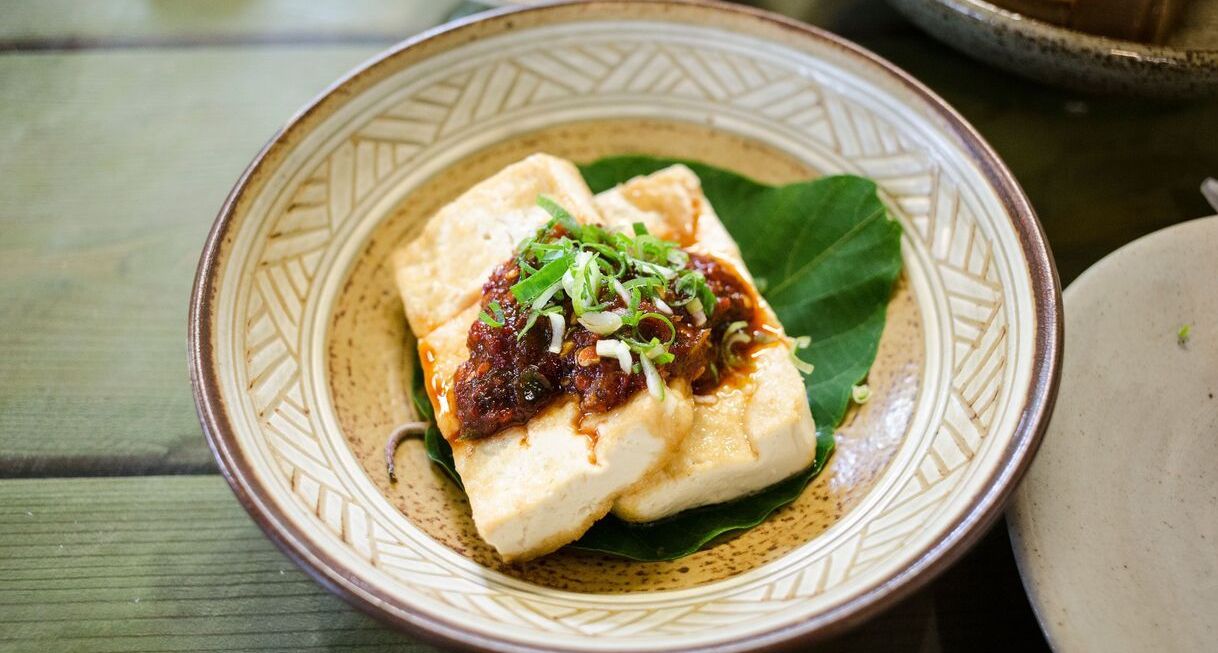
Did you know that tofu has been eaten for more than 2,000 years, with its origins traced back to ancient China? What began as a simple way of turning soy milk into a firm, versatile food is now used in cuisines around the world, from Asian stir-fries and soups to curries, wraps and salads.
Made by coagulating soy milk and pressing the resulting curds into blocks, tofu can range from silky and delicate to firm and extra-firm. Also known as soya paneer, it is naturally gluten-free, relatively low in calories and provides complete plant-based protein, making it particularly useful in vegetarian and vegan diets. Thanks to its protein, healthy fats and essential minerals, the tofu health benefits extend to supporting muscle and bone health, heart health and everyday nutritional needs.
However, its nutritional profile can vary depending on the type of tofu and how it is produced. Understanding tofu benefits and disadvantages can therefore help you decide how much to eat, which variety to choose and how best to include this versatile soy food in a balanced diet.
Top 10 Health Benefits of Tofu
Protein, unsaturated fat, vitamins, minerals and soy isoflavones contribute to tofu's nutritional value. The following tofu benefits explain how these components may support specific body functions.
1. Supports Muscle Maintenance and Repair
Tofu provides all nine essential amino acids, making it a complete source of plant protein. The body uses these amino acids to build and repair tissues and maintain muscle mass.
Firm and extra-firm tofu generally provide more protein per serving than softer varieties because more water is removed during processing. This makes tofu a particularly useful protein option for vegetarians and vegans, as well as anyone looking to add more variety to their protein sources.
2. Helps Maintain Strong Bones
Tofu can be a useful source of calcium, particularly when it is prepared using calcium salts as a coagulant. Calcium is needed to maintain normal bones and teeth, while tofu's protein contributes to the structural framework of bone.
It also provides magnesium, another mineral involved in maintaining healthy bones. Since calcium content varies considerably between tofu products, checking the nutrition label is important if you are specifically choosing tofu as a calcium source.
3. Supports Heart Health
Tofu can support a heart-conscious diet, particularly when it replaces foods higher in saturated fat. It contains mostly unsaturated fats, has no dietary cholesterol and provides soy protein.
Evidence suggests that soy protein can contribute to modest reductions in LDL or “bad” cholesterol when included as part of an appropriate diet. However, tofu does not prevent heart disease on its own. How it is prepared also matters, so grilling, baking or lightly stir-frying it is generally more heart-conscious than deep-frying it or serving it with high-sodium sauces.
4. May Help with Weight Management
Protein is one reason tofu can work well in weight-management meals. It helps promote fullness and can make a meal more satisfying, while plain tofu can provide protein without being particularly high in calories.
Preparation makes a considerable difference. Grilled, baked or air-fried tofu with vegetables and whole grains can make a balanced meal, whereas deep-frying or adding calorie-dense sauces can substantially increase its energy content. Tofu can therefore support weight management, but it does not cause weight loss by itself.
5. Can Fit into a Blood Sugar-Conscious Diet
Plain tofu is relatively low in carbohydrates while providing protein and fat. This makes it easy to pair with vegetables, whole grains and other foods when building a balanced meal.
For people managing blood sugar, tofu can be a useful replacement for some refined or heavily processed foods. However, it does not directly lower blood glucose. The carbohydrate content of the entire meal, including rice, noodles, sauces and accompaniments, remains important.
6. May Support Nutrition During Menopause
Tofu naturally contains soy isoflavones, plant compounds with a structure similar to oestrogen but much weaker activity in the body. Research suggests that regularly consuming soy foods may help some women manage menopausal symptoms such as hot flushes, although individual responses vary.
Tofu also provides protein and, when calcium-set, calcium, both of which become particularly relevant to maintaining muscle and bone health with age. These tofu health benefits can complement a balanced diet during and after menopause, but tofu should not be considered a replacement for prescribed treatment.
7. Provides Antioxidant Plant Compounds
Soy isoflavones also have antioxidant activity. Antioxidants help protect cells against oxidative stress caused by free radicals generated through normal metabolism and environmental exposure.
Tofu can therefore contribute to the body's antioxidant defences alongside fruits, vegetables, pulses, nuts and seeds. The benefit comes from the broader dietary pattern rather than from tofu acting as a standalone protective food.
8. Contributes to Healthy Blood Formation
Tofu provides iron, which the body needs to produce haemoglobin, the protein in red blood cells responsible for carrying oxygen. It can therefore contribute to iron intake, particularly in vegetarian and vegan diets.
The iron in tofu is non-haem iron, which is generally absorbed less efficiently than the haem iron found in animal foods. Pairing tofu with vitamin C-rich foods such as bell peppers, tomatoes or broccoli can help the body absorb more of this plant-based iron.
9. Provides a Lactose-Free Protein Option
Tofu is naturally lactose-free because it is made from soy rather than dairy milk. This makes it a useful protein option for people with lactose intolerance.
Firm tofu can work in dishes where paneer might otherwise be used, while silken tofu can add a creamy texture to soups, sauces and blended dishes. However, lactose-free does not mean suitable for everyone: people with a soy allergy should avoid tofu.
10. Can Support a Blood Pressure-Friendly Diet
Plain tofu is generally low in sodium and provides protein, unsaturated fats and minerals, making it suitable for a balanced eating pattern designed to support normal blood pressure.
The bigger consideration is often what comes with it. Soy sauce, packaged marinades and processed tofu preparations can contain substantially more sodium. Choosing plain tofu and flavouring it with herbs, spices, garlic, lemon or measured amounts of sauce can help keep sodium intake in check.
Nutritional Value of Tofu
The tofu benefits come from its nutrient-rich profile, including protein, healthy fats, vitamins and minerals. The table below shows the nutritional value per 100 g of raw, firm tofu prepared with calcium sulphate.
Nutrient | Amount per 100 g |
Energy | 144 kcal |
Protein | 17.3 g |
Carbohydrate | 2.78 g |
Dietary Fibre | 2.3 g |
Total Fat | 8.72 g |
Calcium | 683 mg |
Iron | 2.66 mg |
Magnesium | 58 mg |
Potassium | 237 mg |
Phosphorus | 190 mg |
Sodium | 14 mg |
Selenium | 17.4 mcg |
Note: Actual values may vary depending on the product and preparation method.
Types of Tofu and its Uses
The firmness of tofu affects its texture and determines which cooking methods it is best suited for. Choosing the right variety can make a noticeable difference to the final dish.
Type | Texture | Suitable uses |
Silken | Smooth, creamy and spoon-soft | Smoothies, dips, sauces, desserts and creamy dishes |
Medium | Tender but firm enough to slice | Soups, mild curries and steamed dishes |
Firm | Holds its shape well and can be crumbled | Bhurji, stir-fries, baking and shallow-frying |
Extra-firm | Dense and sturdy | Grilling, tikka, skewers and crispy tofu dishes |
When comparing soya or tofu paneer benefits, neither is automatically the healthier choice. Tofu provides plant-based protein and is naturally lactose-free, while paneer is a dairy-based source of protein and calcium. The better option depends on individual dietary needs, preferences and how each is prepared as part of the complete meal.
How to Include Tofu in Your Diet?
The benefits of eating tofu can be enjoyed through a variety of simple preparations. Around 80–100 g can be a practical serving for many adults, although the appropriate amount depends on individual dietary and protein needs.
Press firm tofu before cooking to remove excess moisture and help it absorb marinades and brown more effectively.
Crumble it into bhurji, parathas or vegetable fillings as a plant-based protein option.
Add baked or grilled tofu cubes to salads, curries, grain bowls or stir-fries.
Use it as a pizza topping alongside vegetables and other ingredients.
Blend silken tofu into soups, dips, sauces or smoothies for a smooth, creamy texture.
Rotate your protein sources by enjoying tofu alongside dals, beans, dairy, eggs or other protein-rich foods as appropriate to your diet.
Variety is useful here. Tofu can contribute valuable protein and nutrients, but it does not need to be the only protein source in the diet.
Key Facts About Tofu
Here are some key facts about tofu:
Tofu has been around for over 2,000 years: It is believed to have originated in ancient China before becoming an important ingredient across many Asian cuisines.
Tofu is a complete plant protein: Unlike many plant-based protein sources, soy provides all nine essential amino acids that the body cannot produce on its own.
Not all tofu contains the same amount of calcium: Calcium levels depend partly on the coagulant used during production. Tofu made with calcium sulphate can contain considerably more calcium than varieties made using other coagulants.
Firmness changes more than just texture: Firmer tofu generally contains less water and more protein per gram than softer varieties, which is why firm and extra-firm tofu work particularly well when a higher-protein, sturdy ingredient is needed.
Side Effects of Tofu
Eating tofu and other soy foods is generally considered safe. However, understanding tofu benefits and disadvantages keeps its use in perspective.
Individuals with soy allergy should avoid tofu; reactions may include hives, swelling or breathing difficulty.
Large portions may cause bloating, constipation, diarrhoea or nausea.
Natural antinutrients can reduce mineral absorption, although varied diets offset this concern.
Normal tofu portions are unlikely to impair thyroid function. Individuals on treatment can ask whether meal timing needs adjustment.
Some soy products may interact with monoamine oxidase inhibitor medicines, requiring medical guidance.
Note: Most concerns around tofu relate to soy allergies, individual tolerance or potential interactions with certain medicines. If you have an existing health condition, take regular medication or plan to consume tofu frequently, consider consulting a qualified healthcare professional for personalised advice.
Importance of Health Insurance
Making nutritious choices, such as including protein-rich foods like tofu in a balanced diet, is one way to look after your health. However, even a well-planned lifestyle cannot eliminate the possibility of unexpected illnesses, injuries or hospitalisation. Suitable health insurance plans can provide financial support for covered medical expenses, helping you stay prepared when healthcare needs arise.
For better financial preparedness, Super Health Insurance from SBI General Insurance offers sum insured options ranging from ₹3 lakh to ₹2 crore. The plan includes features and add ons* such as Unlimited Reinstatement of the sum insured, Annual Health Check-ups and coverage for non-payable items such as certain consumables through its Claims Shield Benefit. SBI General Insurance also provides access to 18,000+ network hospitals and 24x7 customer support, helping make healthcare and policy assistance more accessible when required.
*Add-ons are available at an additional premium and are subject to the policy terms and conditions.
Note: Please read the policy wordings carefully to know the exact coverage offered by the insurance plan.
Conclusion
Tofu is a complete protein that may support muscles, bones, heart-conscious eating, weight management and menopausal nutrition. However, the tofu benefits can be best enjoyed when tofu forms part of a varied, balanced diet alongside vegetables, whole grains and other protein sources. Choosing suitable portions and cooking methods, while keeping individual dietary needs and soy allergies in mind, can help make tofu a nutritious addition to everyday meals.
FAQs
1. What are the health benefits of tofu?
Tofu provides complete plant-based protein, healthy fats, iron and other essential nutrients. The tofu health benefits include supporting muscle maintenance, bone health, heart health and normal blood formation. Its soy isoflavones also provide antioxidant activity and may support nutritional needs during menopause.
2. Is tofu healthier than paneer?
Neither tofu nor paneer is universally healthier. Tofu is plant-based, naturally lactose-free and generally lower in saturated fat, while paneer is a dairy-based source of protein and calcium. The better choice depends on individual nutritional needs, dietary preferences and how each is prepared.
3. Does tofu affect hormone levels?
Eating tofu in normal food portions is not generally considered to disrupt hormone levels. Soy isoflavones are plant compounds that can interact with oestrogen receptors, but their effects are much weaker than those of the body's own oestrogen.
4. Can tofu be eaten every day?
Yes. Most adults can eat tofu daily. Around 100 to 200 grams is a practical serving, although individual needs differ. The appropriate portion depends on individual energy and protein requirements, as well as other foods in the diet. People with a soy allergy should avoid tofu, while those with specific medical or dietary concerns should seek professional advice.
This blog is intended solely for educational and informational purposes. Content reflects data at time of publication and may not accurately reflect current premiums, terms, or regulations. Readers are encouraged to confirm the accuracy and relevance of the data before making any significant decisions. SBI General Insurance disclaims responsibility for any errors or consequences arising from the use of outdated information provided herein. For more details, please refer to the policy wordings and prospectus before concluding the sales. *Add-ons are subject to payment of additional premium.
Access and manage all your Insurance Needs in one place, right at your Fingertips.




4/5*
Access and manage all your Insurance Needs in one place, right at your Fingertips.



Vision
Our vision is to become the most trusted general insurer for a transforming India.
Mission
Our mission is to provide simple and innovative general insurance solutions, be responsive to our customers' needs and build a sustainable business for the future.
We're socially active!