


 Contact Us



 Other Insurance
Health Benefits of Toor Dal
Date: Oct 5, 2026 - Last Modified Oct 5, 2026


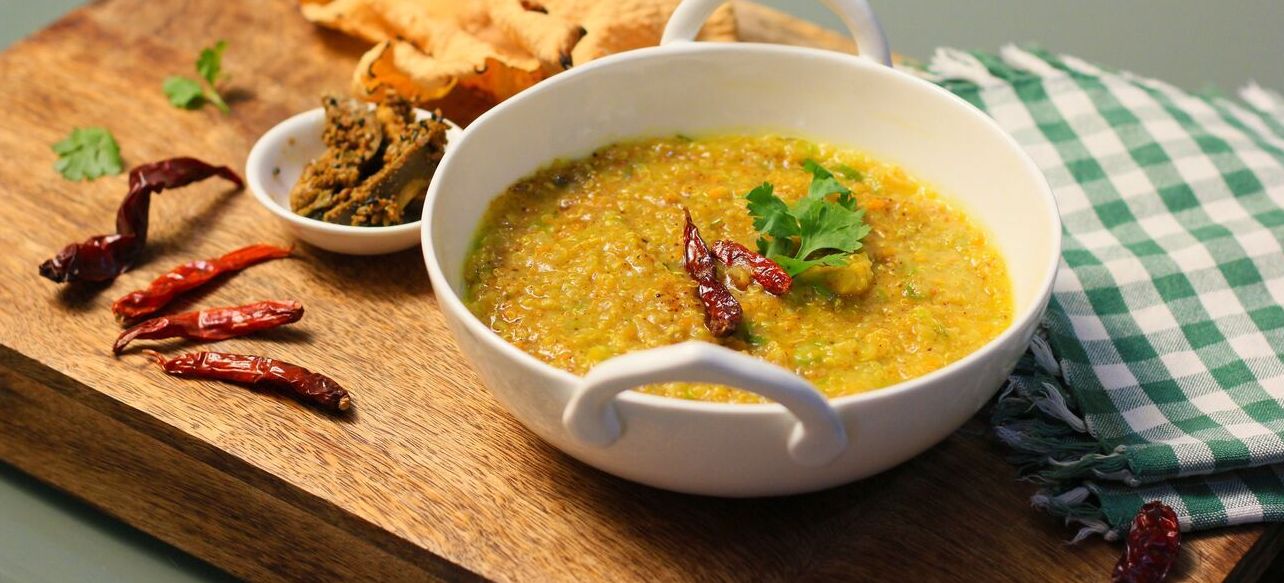
Toor dal is an important legume crop grown mainly for its edible seeds. In India, toor dal refers to the split and skinned seeds of the pigeon pea. Also known as arhar dal, tuvar dal or red gram, it has a mild, earthy flavour and is a staple in many everyday Indian meals.
Cooked toor dal provides protein, carbohydrates, fibre, folate and several essential minerals. Many of the toor dal benefits come from this nutrient mix, including its role in supporting muscle health, digestion, satiety, heart health and steady energy levels.
Top 10 Health Benefits of Toor Dal
While toor dal is a key ingredient in Indian cuisines for its distinctive, flavour and mild aroma, its health advantages define its importance in a well-balanced diet. The following toor dal health benefits explain how its protein, fibre and micronutrients may support different body functions when included in regular meals.
1. May Support Muscle Maintenance and Repair
Protein provides the amino acids the body needs to maintain muscles and repair tissues after everyday activity. Cooked toor dal is a useful source of plant-based protein. This makes it a valuable addition to vegetarian meals.
Like many pulses, toor dal is relatively low in the amino acid methionine. Pairing it with rice, roti, or other grains provides a better balance of amino acids. This familiar combination is a simple way for children, adults, and older people to include a varied mix of plant proteins in their diet.
2. May Promote Digestive Regularity
The fibre in cooked toor dal helps support regular bowel movements and can make stools easier to pass. Some of this fibre also reaches the large intestine, where gut bacteria break it down and produce compounds that help support a healthy gut environment.
When cooked until soft, toor dal is generally easier to eat and digest than firmer, whole pulses. However, it can cause gas or bloating in some people because pulses contain fermentable carbohydrates. If you are sensitive to them, start with a smaller portion and increase the amount gradually.
3. May Encourage a Steadier Blood Sugar Response
Toor dal contains complex carbohydrates, fibre and protein, which slow digestion and help prevent sudden spikes in blood sugar. Combining it with non-starchy vegetables and an appropriate portion of rice or roti can make for a more balanced meal.
People with diabetes can also include toor dal in their diet, keeping their portion sizes and individual blood sugar responses in mind. However, it should not replace prescribed medicines, regular blood sugar checks or medical advice.
4. May Support Heart Health
Cooked toor dal is naturally low in saturated fat. It also provides nutrients such as fibre, potassium and magnesium. Fibre-rich foods help maintain healthy cholesterol levels, while potassium plays an important role in fluid balance and normal blood pressure. Choosing dal in place of foods high in saturated fat can also help improve the fat profile of a meal.
These toor dal benefits for heart health also depend on how the dal is prepared. Adding large amounts of salt, butter or ghee can change the nutritional profile of an otherwise simple and nutritious dish.
5. May Assist with Weight Management
The combination of fibre and protein in toor dal can help you feel full for longer, making meals more satisfying. This can be useful for weight management, particularly when dal replaces highly refined or less filling foods.
Adding vegetables makes the meal more filling and brings in extra nutrients without making it too heavy. Preparation matters, though. Fried sides, generous amounts of ghee or rich tempering can quickly increase the calorie content. A simply prepared dal with vegetables and a sensible portion of rice or roti is an easy way to enjoy the toor dal benefits while keeping the meal balanced.
6. May Support Healthy Blood Formation
Toor dal provides folate and iron, two nutrients involved in healthy blood formation. Folate is needed to make DNA and new cells, including red blood cells, while iron is required to produce haemoglobin, the protein that carries oxygen around the body.
Since the iron in toor dal is plant-based, having it with vitamin C-rich foods such as tomatoes, capsicum or a squeeze of lemon can help the body absorb it better. This simple combination is an easy way to get more nutritional value from dal.
7. May Contribute to Bone Health
Bones need a steady supply of minerals as well as protein to stay strong. Cooked toor dal provides important nutrients such as phosphorus and magnesium, along with smaller amounts of calcium and zinc.
Phosphorus and calcium contribute to bone structure and strength.
Magnesium supports bone structure and helps regulate calcium levels in the body.
Protein helps maintain the muscles that support movement, balance and stability.
Toor dal can be part of a bone-friendly diet alongside dairy products or fortified alternatives, vegetables, nuts and seeds. Regular weight-bearing activity also plays an important role in keeping bones strong.
8. May Help Maintain Steady Energy
The body breaks down the carbohydrates in toor dal to produce energy, while its fibre and protein help slow digestion. This can make a meal feel more filling rather than providing a quick burst of energy. Toor dal also provides thiamine and other B vitamins, which help the body convert food into energy.
Together, these nutrients can help provide a steadier source of energy throughout the day. Having toor dal with vegetables and a suitable portion of rice or roti can make for a filling meal during a busy day. Energy needs vary from person to person, so portion sizes and accompaniments should be adjusted accordingly.
9. May Support Normal Nerve and Muscle Function
Magnesium and potassium play an important role in helping nerves send signals and muscles work normally. Toor dal provides both of these minerals, along with protein that helps maintain muscle tissue. Together, these nutrients support everyday movement, posture and normal muscle function.
Of course, muscle and nerve health depends on more than one food. Staying hydrated and getting enough protein, minerals and other nutrients from a varied diet are equally important. Including pulses such as toor dal regularly is a simple way to add more plant-based protein and minerals to everyday meals.
10. May Help Protect Cells from Everyday Damage
Pigeon peas contain phenolic compounds that act as antioxidants. These antioxidants help the body deal with free radicals produced during normal metabolism and through exposure to environmental factors. When free radicals build up, they can lead to oxidative stress and damage cells over time.
By helping the body manage oxidative stress, these compounds support normal cellular health. However, this does not mean that eating toor dal can prevent or treat chronic diseases. Cooking and processing can also affect the levels of some antioxidant compounds, but toor dal remains a nutritious way to add variety to meals.
Nutritional Value of Toor Dal
While toor dal benefits are important, its nutritional value also matters when planning a balanced meal. The values below are for 100 grams of cooked pigeon peas prepared with salt and can vary depending on the variety and cooking method.
Nutrient | Amount per 100 g cooked |
Energy | 121 kcal |
Protein | 6.76 g |
Carbohydrate | 23.2 g |
Dietary fibre | 6.7 g |
Total fat | 0.38 g |
Folate | 111 mcg DFE |
Potassium | 384 mg |
Magnesium | 46 mg |
Phosphorus | 119 mg |
Iron | 1.11 mg |
Note: Dry and cooked toor dal should not be compared directly. Cooking increases the water content and weight of the dal, which lowers the concentration of nutrients per 100 grams.
How to Include Toor Dal in Your Diet?
Toor dal is traditionally used as an everyday cooked pulse. Its mild flavour suits many regional preparations. Here are some practical ways to include it in your diet:
Keep it simple: Enjoy plain toor dal or dal tadka with rice, roti, vegetables and curd for a balanced everyday meal.
Make sambar or rasam: Use toor dal as a base for vegetable-rich sambar or prepare a lighter rasam.
Add more vegetables: Cook arhar dal with spinach, bottle gourd, tomatoes or other vegetables for extra flavour and variety.
Try traditional dishes: Use toor dal in favourites such as khichdi, Gujarati dal or dal dhokli.
Cook it until soft: Rinse the dal well and soak it if preferred before cooking until soft. Always discard dal that looks spoiled or insect-damaged.
Mix up your dals: Rotate toor dal with moong, masoor and chana dal to bring different nutrients, textures and flavours to your meals.
Key Facts About Toor Dal
Here are some key facts about toor dal:
It goes by several names across India: Toor dal is also known as arhar dal and tuvar dal. It is made by splitting and removing the skin of pigeon peas and is a staple in many Indian kitchens.
It pairs naturally with grains: Toor dal provides plant-based protein but is relatively low in methionine, an essential amino acid. Eating it with rice, roti or other grains gives the meal a better balance of amino acids.
It offers more than just protein: While toor dal is often valued for its protein, it also provides fibre, folate and minerals such as potassium, magnesium and phosphorus. This combination is behind many of the toor dal benefits associated with a balanced diet.
It is incredibly versatile: Toor dal isn't limited to a simple bowl of dal. It is used in dishes such as sambar, Gujarati dal, dal dhokli and khichdi, and can also be cooked with vegetables such as spinach, bottle gourd and tomatoes.
Side Effects of Toor Dal
Toor dal suits most diets, but there are a few things to keep in mind:
Gas and Bloating: Toor dal contains fermentable carbohydrates that can cause gas, bloating, or digestive discomfort in some people.
Allergic Reactions: Although uncommon, pigeon pea allergy can cause itching, hives, swelling, wheezing or digestive symptoms. Severe reactions require immediate medical attention.
Digestive Discomfort: Undercooked dal can be harder to digest. Rinsing it well and cooking it until soft can make it easier to tolerate.
Dietary Restrictions: If you have been advised to limit potassium, phosphorus or protein, check with your doctor or dietitian about how much toor dal is suitable for you.
Concentrated Preparations: Pigeon pea leaf extracts or other concentrated preparations should not be used as a substitute for prescribed medicines or medical treatment.
Note: Most people can enjoy properly cooked toor dal as part of a balanced diet. If you regularly experience digestive problems after eating it or notice signs of an allergic reaction, speak with a doctor.
Importance of Health Insurance
We put plenty of thought into everyday health, from what goes on our plate to staying active and getting enough rest. It makes sense to give the same attention to unexpected medical expenses. Family health insurance can help you plan for eligible healthcare costs for your loved ones, while a health insurance AYUSH treatment cover can be useful for families who prefer access to recognised traditional systems of medicine as part of their healthcare choices.
SBI General Health Alpha by SBI General Insurance offers customisable health insurance coverage with benefits for hospitalisation, day care procedures, pre- and post-hospitalisation expenses and AYUSH treatments. The plan includes recognised systems of medicine such as Ayurveda, Yoga, Unani, Siddha and Homeopathy, giving policyholders the option to access alternative treatments as part of their healthcare coverage.
Disclaimer: Coverage is subject to the policy terms, conditions, limits, exclusions and eligibility requirements. Please read the policy wording and sales brochure carefully to understand the complete scope of coverage before purchasing the policy.
Conclusion
Toor dal has earned its place in Indian kitchens as a nutritious, versatile and affordable staple. Its protein, fibre, folate and minerals support several everyday nutritional needs, from digestion and muscle health to fullness and balanced energy, making the toor dal health benefits easy to include in a varied diet. Cook it thoroughly, pair it with vegetables and grains, and choose portions that suit your needs. If you have persistent digestive discomfort, an allergy or specific dietary restrictions, seek advice from a healthcare professional.
FAQs
1. What are the nutritional benefits of toor dal?
The nutritional benefits come from protein, complex carbohydrates, fibre, folate and minerals. They may support muscles, digestion, cell formation, energy release and heart-conscious eating.
2. How does toor dal help manage blood sugar levels?
Its fibre and protein may reduce digestion and encourage a steadier glucose response. People with diabetes should follow their individual meal plan and prescribed care.
3. Can toor dal improve heart health?
It may support heart health through fibre, potassium, magnesium and little saturated fat. Preparation still matters because salt and added fat change the dish.
4. Does toor dal aid weight management?
Yes, toor dal can fit well into a weight-management diet. Its protein and fibre can help you feel full for longer, especially when paired with vegetables. How the dal is cooked and what you eat with it also matter, since your overall meal and portion size determine the total calorie intake.
5. Is toor dal and arhar dal the same?
Yes. Toor dal and arhar dal are different names for the same split pigeon pea. Depending on the region, you may also hear it called tuvar dal, tur dal or red gram.
6. Does toor dal cause flatulence?
Yes, toor dal can cause gas or bloating in some people. It contains certain carbohydrates that are fermented by bacteria in the gut, which can produce gas during digestion. Starting with smaller portions can help your digestive system adjust.
Tip: Rinse toor dal thoroughly, soak it before cooking if possible, and cook it until completely soft. Starting with a smaller serving and gradually increasing the portion can also help if you are prone to gas or bloating. If the discomfort is frequent, painful or does not improve, speak with a healthcare professional.
This blog is intended solely for educational and informational purposes. Content reflects data at time of publication and may not accurately reflect current premiums, terms, or regulations. Readers are encouraged to confirm the accuracy and relevance of the data before making any significant decisions. SBI General Insurance disclaims responsibility for any errors or consequences arising from the use of outdated information provided herein. For more details, please refer to the policy wordings and prospectus before concluding the sales. *Add-ons are subject to payment of additional premium.
Access and manage all your Insurance Needs in one place, right at your Fingertips.




4/5*
Access and manage all your Insurance Needs in one place, right at your Fingertips.



Vision
Our vision is to become the most trusted general insurer for a transforming India.
Mission
Our mission is to provide simple and innovative general insurance solutions, be responsive to our customers' needs and build a sustainable business for the future.
We're socially active!